Burundi's Rugabo Washing Station: Elevating Coffee Flavor and Exploring the Region
Introduction: Burundi, a high-altitude landlocked country in Africa, is known for its high-quality highland coffee. This article focuses on the Rugabo washing station in the Ngozi region of the country, taking an in-depth look at how the SOGESTAL cooperative system it belongs to improves coffee quality through standardized processing, guiding you through the entire process of this specialty bean—with its tea-like aroma and raisin notes—from cultivation to cupping, and providing practical flavor-tasting references.
Burundi lies in the highlands of the East African Rift, with a national average elevation of over 1,600 meters. The watershed between the Nile and Congo river systems within its borders fosters a unique microclimate. Known as the "Heart of Africa," this country has become an important member of the world's specialty coffee regions thanks to its high altitude and fertile volcanic soil.
The Rugabo washing station (formerly Rugagü Washing Station) in Ngozi Province in northern Burundi has provided professional green coffee processing services to surrounding coffee farmers since it was built with World Bank assistance in the 1980s. The station belongs to the Ngozi regional union, one of the seven SOGESTAL management systems, a cooperative model that integrates scattered smallholder resources and ensures quality consistency through centralized processing.
The SOGESTAL system is essentially an agricultural cooperative mechanism with Burundian characteristics: seven regional management bodies (including Coprotra, Kayanza, and others) are responsible for operating washing stations and selling coffee within their jurisdictions. This organizational form not only provides farmers with tool support and technical training, but also helps smallholders' coffee meet international specialty coffee certification standards through standardized washed processing.
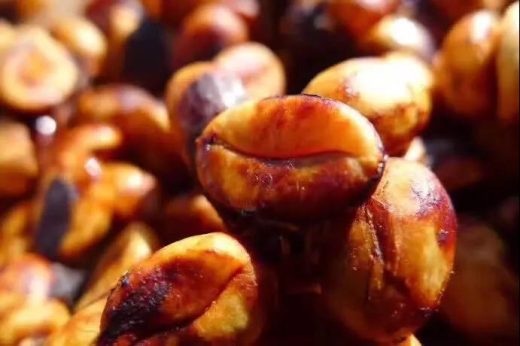
The processing at Rugabo washing station highlights the combination of Burundian tradition and modern technology: after picking, coffee cherries undergo strict sorting, with only fully ripe bright red fruit retained. In the depulping stage, a flotation machine removes defective beans with insufficient density, followed by a 24–36 hour fermentation stage—a key step in flavor formation, during which the processors must adjust stirring frequency according to the day's temperature.
After fermentation, the beans are thoroughly washed with clean water and then dried on African raised drying beds for 12–15 days. Workers turn the coffee beans at least three times a day to ensure the moisture content drops evenly to around 11%. Throughout the processing cycle, station technicians record environmental parameters such as temperature and humidity; these data directly affect the final coffee's cleanliness and sweetness.
Coffee from this region often shows a distinct sweet red-berry aroma in cupping, accompanied by an elegant tea-like base note, a raisin-like mellow texture in the middle, and a slight cocoa note in the finish. This layered flavor structure benefits from the rich sugars accumulated by slow-growing coffee trees at high altitude and from the washed process's good control of impurities.
For coffee lovers, Burundian beans are particularly suitable as an entry-level choice for pour-over single-origin coffee. A V60 dripper is recommended, with a coffee-to-water ratio of 1:15 and water temperature controlled at 90–92°C; staged pouring can effectively highlight its bright acidity and clean aftertaste. Avoid over-grinding, which can cause astringent tannic notes; a medium-fine grind (similar to granulated sugar) usually achieves a balanced result.