Espresso vs. Regular Coffee: Roasting, Grinding and Extraction Explained
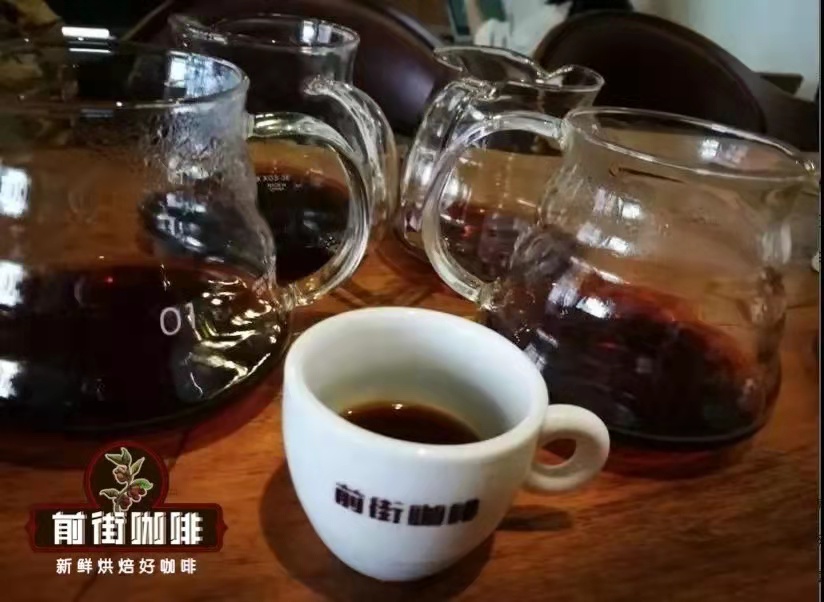
Introduction: Have you ever wondered what makes beans labeled "espresso" on the package special? In fact, the essential difference between espresso and regular coffee lies not in the bean variety but in the roast level, grind fineness and extraction method. This article takes a deep look at the core differences between the two and explains why the same arabica or robusta beans, after different processes, present very different flavors and mouthfeels, helping you choose the right coffee experience for your needs.
When people see the word "espresso" on a coffee package, many assume it refers to a dedicated bean variety. In reality, whether for making espresso or for everyday drinking coffee, the raw material used is mostly still arabica or robusta coffee beans—the key difference lies in the subsequent roasting process, grinding precision and brewing method.
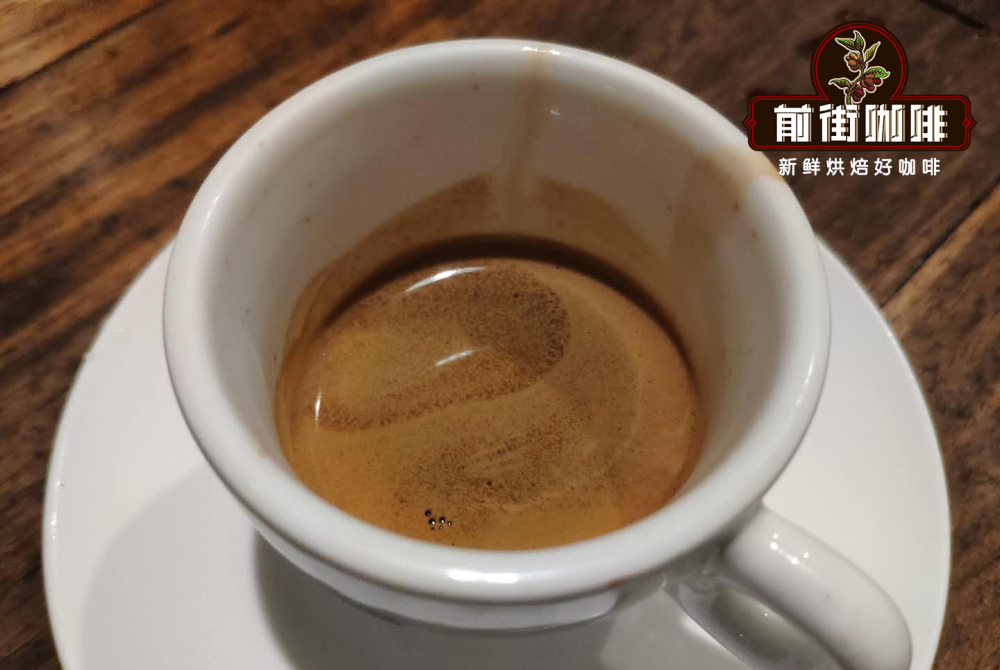
So what exactly is espresso? It is made by forcing hot water under high pressure (usually 9-10 atmospheres) quickly through a layer of finely ground coffee, a process that places extremely high demands on the fineness of the coffee grounds and the depth of the roast. From this definition, the core differences between espresso and traditional drip coffee center on two major aspects: first, high-pressure extraction technology; second, an extremely fine grind specification.
First, the roasting dimension. Beans for making espresso often undergo a longer roast, usually reaching the "second crack" stage (i.e., the second dense crackling inside the coffee bean), and therefore are darker in color with richer oils on the surface. By contrast, beans suited to drip coffee mostly use a light to medium roast (stopped shortly after the end of first crack), retaining more of the original fruit acidity and floral and fruity aromas. The dark roast required for espresso can effectively reduce acidity while triggering the caramelization reaction that brings out toasty, chocolate and nutty notes, giving a fuller, richer mouthfeel.
The grinding stage is equally critical. Espresso must use an extremely fine grind (close to a powder), in order to increase the contact area between water and coffee grounds during high-pressure extraction and ensure that enough flavor compounds and oils are extracted in a short time. If the grind is too coarse, the high-pressure water flow will pass through the coffee bed too quickly, resulting in under-extraction and a weak, flavorless cup; conversely, if it is too fine and tamped too hard, channeling may occur, with local over-extraction producing bitterness.
In terms of extraction parameters, a standard espresso (single shot) typically uses 7-9 grams of coffee grounds, with an extraction time of about 20-30 seconds, producing around 30 milliliters of highly concentrated liquid; a double shot doubles this to 14-18 grams of grounds, extracting about 60 milliliters. These precise controls ensure espresso's intense texture and clearly layered flavor expression.
In summary, beans labeled "espresso" on the package are not a special variety but coffee beans processed in a targeted way to suit the high-pressure, dark-roast extraction process. Understanding the relationship between roast depth, grind fineness and extraction technique can help you more precisely choose the type of coffee that suits your taste—whether you seek an intense, full-bodied espresso experience or prefer a crisp, balanced drip flavor.


