Why Is Espresso Ground So Fine? The Key to Low-Acid, Full-Bodied Extraction
Introduction: Want to make professional-level espresso at home? Understanding the relationship between grind size and acidity is the first step. This article explains why espresso grounds are more than 3 times finer than pour-over grounds, analyzes how high-pressure extraction changes the flavor structure, walks you through the core parameters from bean selection to brew ratio, and unpacks the science behind the low-acid character of dark-roasted beans.
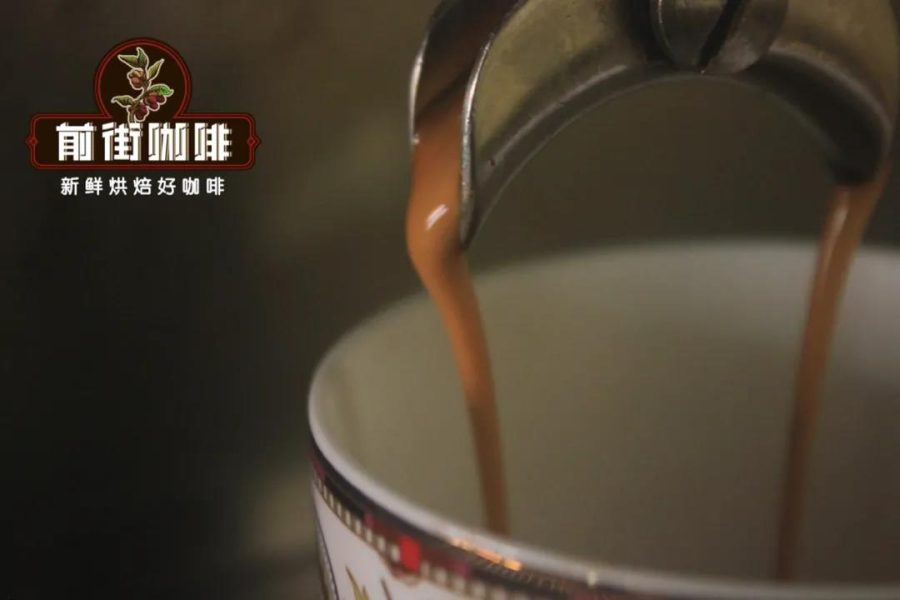
Grind size is the first key threshold in making a proper cup of espresso. Unlike the medium-coarse grind used for home drip coffee, the particle size needed for espresso is close to fine sugar or even salt; this very fine grind allows water at 9-10 atmospheres of pressure to fully extract the coffee's essence in just 25-30 seconds.
Pre-ground coffee labeled "espresso" typically undergoes a two-stage process: first, deep roasting at 200-220°C, which causes the beans to expand and release more oils; then grinding to a fine particle state of about 0.8-1.0mm. Note that the particles should appear a uniform dark brown; obvious scorch spots may indicate over-roasting.
Ordinary drip equipment such as French presses and V60 drippers cannot replicate espresso, and the core reason is the difference in pressure. Although a home moka pot can generate 1-2 bar of pressure, true espresso requires 9 bar or more, which is exactly the key to the consistent output of semi-automatic espresso machines—steam pressure generated by heating a boiler forces hot water through a tightly packed puck of coffee grounds.
In terms of flavor, espresso shows three characteristics: first, its acidity (pH 4.5-5.0) is noticeably lower than that of pour-over coffee (pH 5.5-6.2), because organic acids break down extensively during dark roasting; second, sweetness is prominent, with furan compounds produced by caramelization increasing by 30%; finally, the finish has a creamy density, stemming from a high extraction yield of 18-22%.
Common mistakes beginners make include: using a medium-fine grind by mistake, which causes channeling, or using too little coffee, which leads to insufficient extraction. When using a conical filter basket, it is recommended to keep the tamped puck height at 15-18mm and use a water temperature of 90-93°C. If you want a softer mouthfeel, choose a medium-dark roasted blend to balance body and acidity.
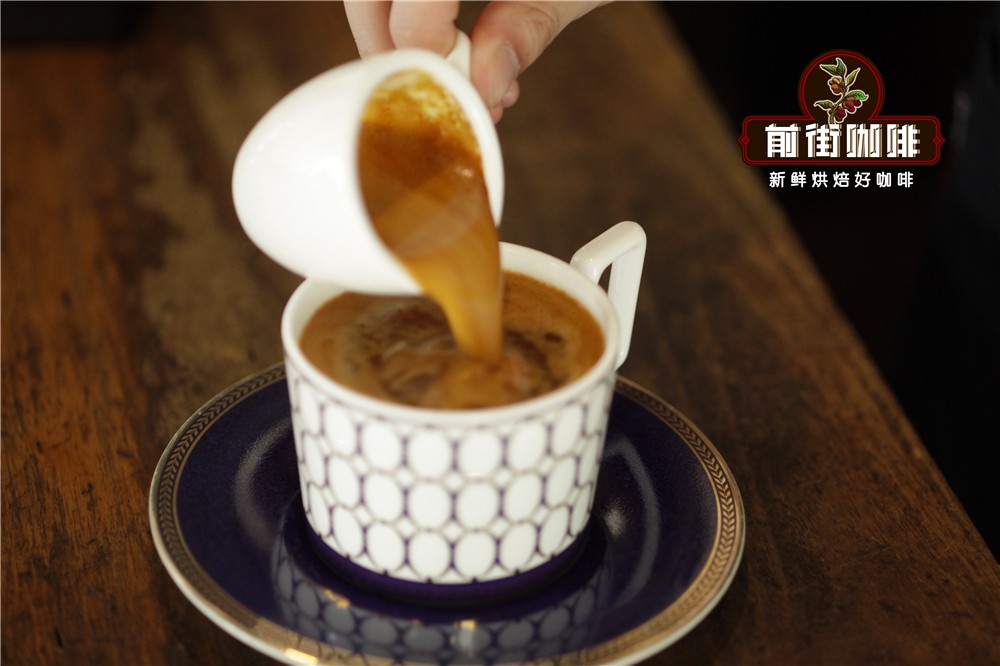
Once you understand the logic behind these parameters, you can adjust them to your personal taste: for bright fruity acidity, shorten the extraction time to 20 seconds; for a richer mouthfeel, extend it to 35 seconds. Remember to observe the crema—the tiger-striped layer of oils on a quality espresso should last more than 2 minutes without dissipating.


