Espresso vs cold brew: coffee acidity explained and full guides to both methods
Introduction: Have you ever wondered why espresso is often considered bitter, while cold brew tastes fresher or even sour? In fact, these two classic coffees differ not only in their brewing methods but also in their flavor profiles. This article takes a deep look at the full differences between espresso and cold brew, from extraction principles and brewing processes to flavor expression, and also provides detailed operating parameters and practical advice to help you choose or adjust the coffee type that suits your taste preferences.
In the coffee world, espresso and cold brew are undoubtedly two classic representatives, drawing attention whether you order them in a café or make them at home. Some prefer the intense, full-bodied richness of espresso, while others love the refreshing softness of cold brew. But questions often arise around these two: Is espresso more acidic than cold brew? Why do their flavors differ so noticeably? The answers actually lie in how they are made.

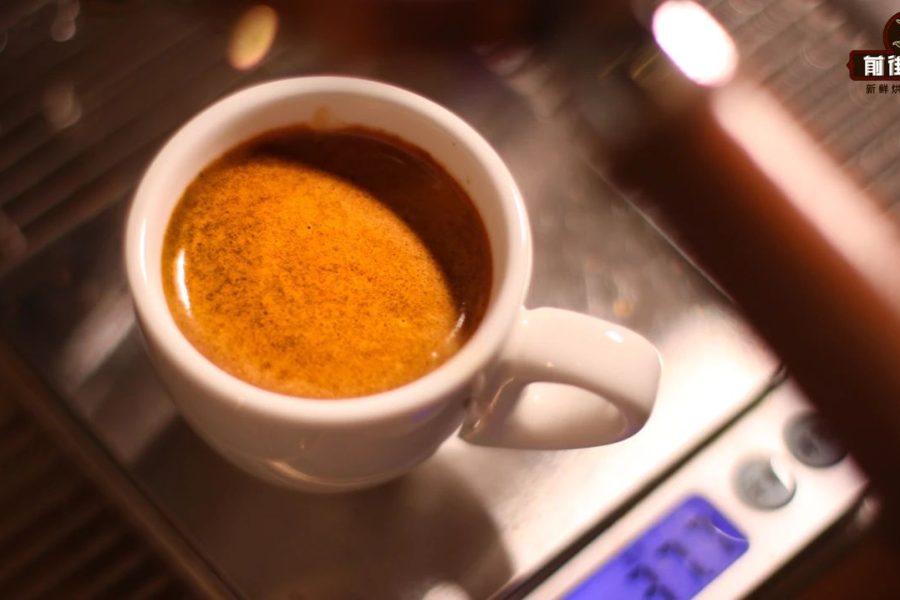
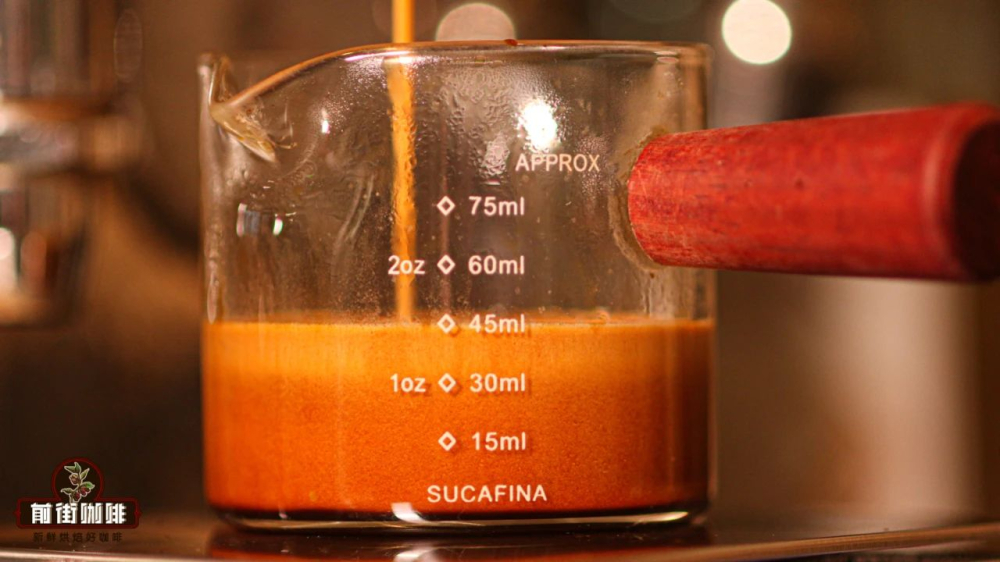
Espresso, whose English name is Espresso, originated in 19th-century Italy and is a method of quickly extracting coffee liquid using high temperature and high pressure. Traditionally, it uses a dedicated espresso machine to force hot water near boiling point through finely ground coffee at about 9 atmospheres of pressure. The entire extraction takes only 25 to 30 seconds, ultimately yielding a small cup of rich coffee with abundant oils. This method not only saves time but also concentrates the core flavors of the coffee more effectively.
A high-quality espresso will form a golden, fine, somewhat thick layer of oils on its surface, known professionally as crema. The formation of this crema depends on the emulsification of the coffee's natural oils and carbon dioxide during high-pressure extraction. When hot water passes through the coffee grounds under high pressure, the carbon dioxide in the coffee beans is compressed and combines with soluble substances in the water, forming a dark brown foam about 4 to 5 millimeters thick on the coffee's surface. This foam not only affects the visual impression but is also rich in aromatic molecules and is an important source of espresso's aroma.

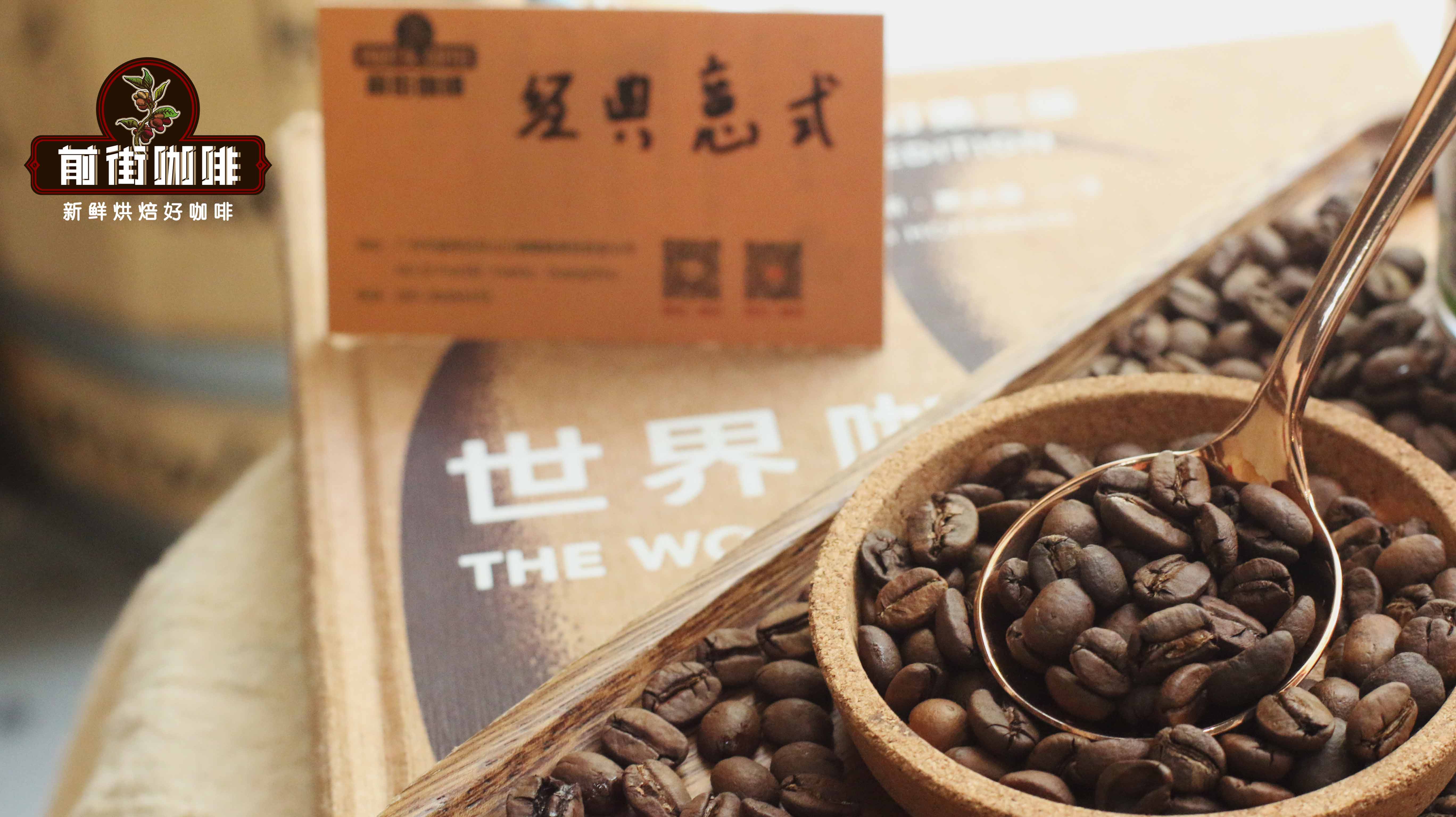
The key to making high-quality espresso, besides the equipment, also lies in the choice of coffee beans and the roast level. To achieve a full-bodied taste with balanced acidity and bitterness, medium-dark to dark roast blends are most often used. The purpose of blending is to combine the flavor characteristics of coffee beans from different origins, for example to balance acidity, enhance body, and stabilize crema performance. Generally speaking, dark roasting helps highlight the coffee's caramel, chocolate, and nutty notes, and is also more conducive to forming a thick crema.
Unlike the high-temperature, high-pressure extraction of espresso, cold brew coffee uses a low-temperature, long-steep extraction throughout. The biggest feature of this method is that it uses cold water to slowly extract the flavor substances in coffee, rather than relying on hot water and high pressure. Generally, the entire cold brew process requires standing in the refrigerator for 8 to 12 hours, sometimes even longer, to ensure the sweet and sour substances fully dissolve while minimizing the release of bitter components.
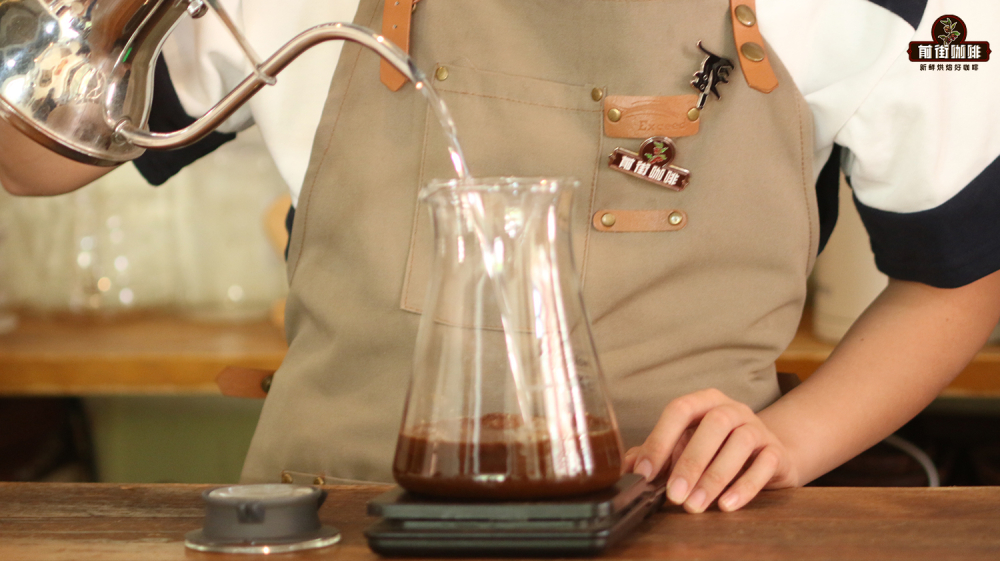
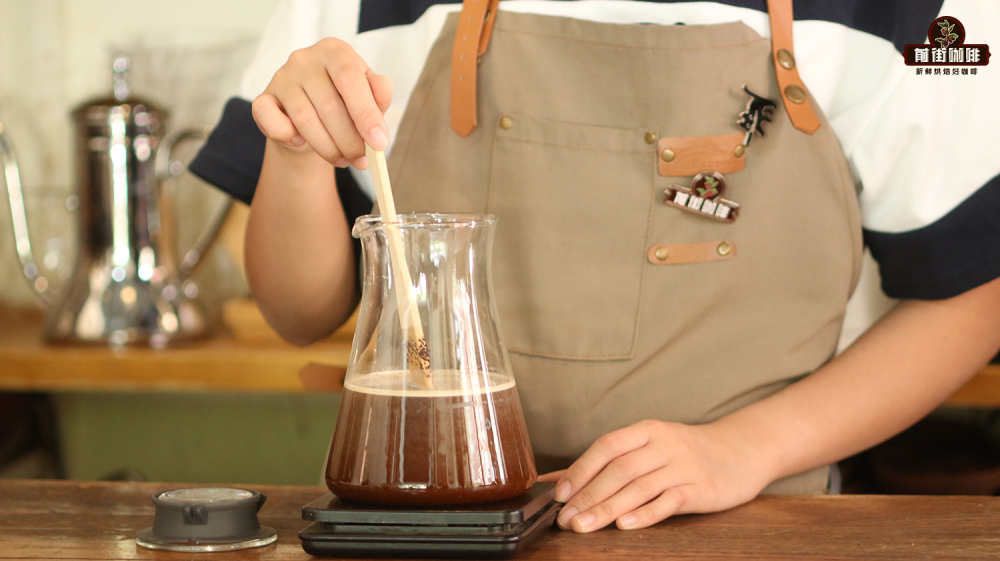
The extraction logic of cold brew lies in the low-temperature environment effectively inhibiting the release of bitter substances and excessive tannins in coffee, while also slowing the movement of water molecules, making the overall extraction gentler. But low temperature also means it takes longer to extract enough sweet and sour flavors. A coffee-to-water ratio of about 1:13 is generally recommended, for example using 30 grams of coffee grounds with about 400 milliliters of cold water, stirring evenly, then sealing and refrigerating, with the time controlled at 8 to 12 hours as optimal. Exceeding 12 hours may cause over-extraction, making the woody fibers release undesirable off-flavors and affecting the overall purity of flavor.

It is worth mentioning that cold brew coffee's flavor tends to be fresher and brighter, with obvious fruity acidity and sweetness, but precisely because of this, it more easily highlights the coffee beans' inherently acidic characteristics. If you want to reduce acidity, you can choose low-acidity roasted coffee beans or appropriately extend the extraction time to balance the sweet-to-sour ratio. In addition, because cold brew coffee is not heated, its caffeine content is relatively high, making it suitable for consumers who like a pick-me-up but do not want to drink overly hot beverages.

So, back to the original question—is espresso really more acidic than cold brew? Actually, it is not. Usually, espresso, because of its high-temperature, high-pressure extraction, more easily brings out the caramel, nutty, and chocolate flavors in coffee, with acidity appearing more restrained and an overall flavor leaning toward richness and fullness. Cold brew coffee, however, because of low-temperature slow extraction, retains more of the acidic substances and fruity notes in coffee, so it is often considered fresher or even sour.
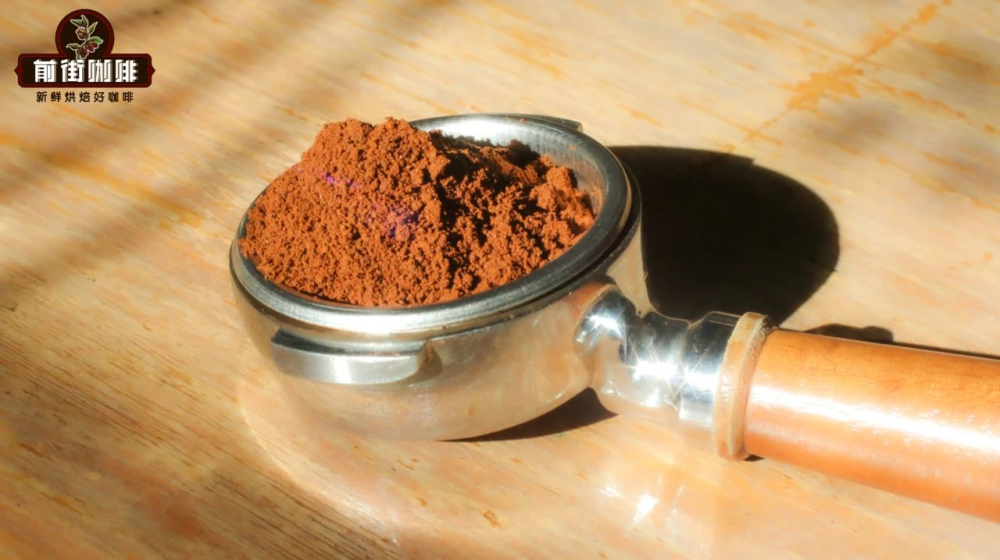
For home brewing, mastering the basic parameters is very important. If you prefer to make a standard espresso, it is recommended to use medium-dark roasted blend coffee beans, with an extremely fine grind close to flour consistency to ensure full extraction in a short time. For cold brew coffee, medium-light roasted beans are recommended, with a medium-coarse grind to slow the extraction speed and control the release of acidity. Whichever you choose, freshly roasted coffee beans are the first essential for ensuring flavor.
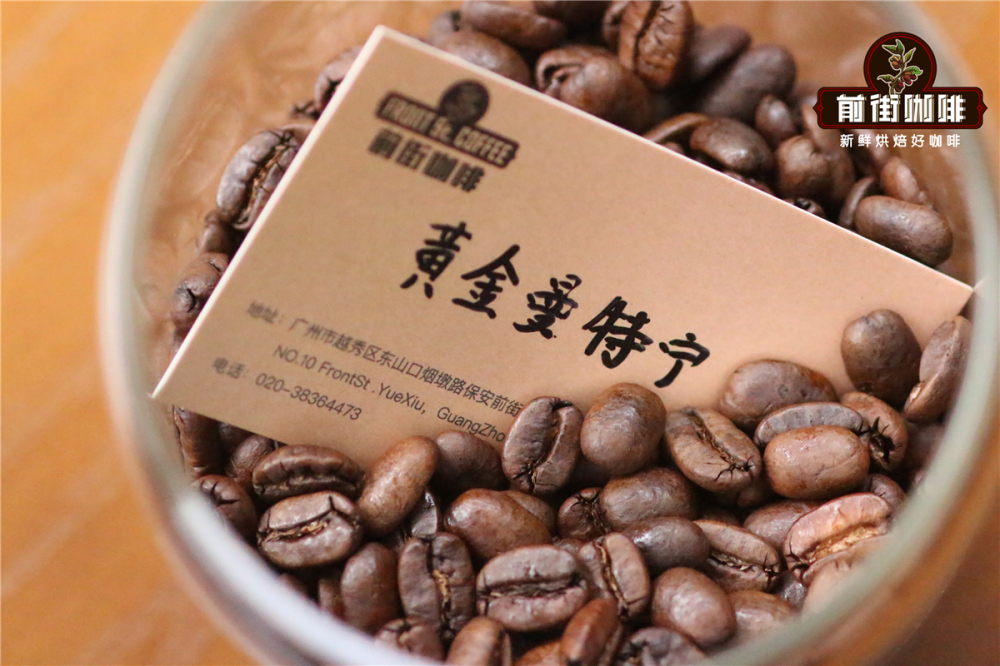
If you often find homemade cold brew coffee too sour and astringent, try adjusting the bean variety or roast level. For example, choose beans with lower acidity and prominent sweetness, such as medium-roasted Indonesian Golden Mandheling or Brazilian Yellow Bourbon, which naturally have low acidity and high body and are very suitable for making flavor-balanced cold brew coffee. If you prefer a fresh fruity style, you can choose light-roasted beans with berry and citrus notes, but be careful to control the steeping time to avoid acidity becoming too sharp.
In summary, espresso and cold brew coffee each have their own characteristics: the former is known for being intense, full-bodied, and oily, while the latter is known for being refreshing, sweet-sour, and low-stimulation. Understanding their brewing principles and flavor differences can help you make a more precise choice according to personal preference, and even optimize the flavor performance of each cup further by adjusting parameters when brewing at home.