Coffee Grind Size Guide: Precise Parameters for 5 Brewing Methods
Introduction: Coffee grind size directly affects flavor release and extraction efficiency. From the golden grind range for pour-over to the precise control of ultra-fine espresso powder, different brewing methods have distinctly different requirements for coffee particle size. This article establishes a reference framework through cupping standards, explains in detail the ideal grind ranges for five mainstream brewing methods (with No. 20 sieve pass-through data), and reveals the interrelationships among roast level, water temperature, and grind parameters to help you adjust precisely for the best flavor.
Grinding coffee beans into powder is the first step of extraction—increasing surface area accelerates the dissolution of flavor compounds, but particles of different sizes release different proportions of aromatics and defect compounds. Mastering the art of grind size means finding the balance between flavor extraction and defect control.

The grind requirements of mainstream brewing devices differ significantly: the French press uses metal filter immersion extraction and needs the coarsest particles to prevent over-extraction; pour-over coffee relies on paper filter drip brewing and needs a medium-fine grind to ensure flow rate and flavor balance; cold brew and ice drip require a finer grind to improve efficiency because cold water penetrates slowly; and espresso machines with high-pressure extraction must use ultra-fine powder to form dense crema. These differences essentially stem from the combined variables of extraction pressure, temperature, and time.

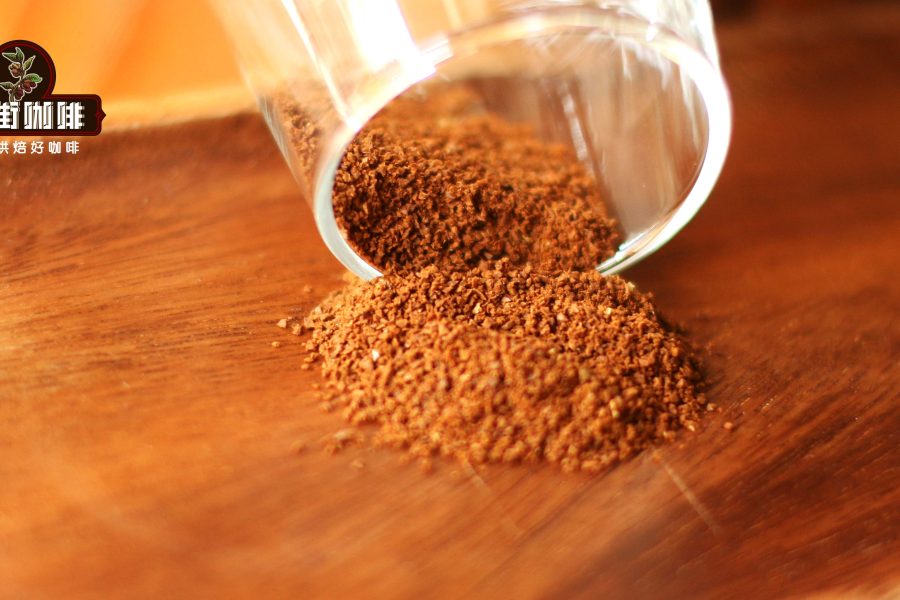
The industry-recognized reference standard comes from the cupping system—tested with a No. 20 Chinese standard sieve (0.85mm aperture), the ideal pass-through rate is 70-75%. Practical calibration method: weigh 20g of ground coffee into the sieve, shake horizontally until no particles fall, weigh the passed portion and calculate the percentage. For example, if 15.2g passes through, that represents a 76% pass-through rate; the higher the value, the finer the grind.

The French press recommended range of 68-75% highly overlaps with the cupping baseline; its metal filter characteristics require coarse particles to avoid clogging. Light-to-medium roast beans are recommended at 72-75% (highlighting acidity and floral-fruity notes), while medium-dark roasts can use 68-71% (enhancing body and reducing the rough astringency caused by fines). Note that coarse particles may cause uneven extraction; stirring is recommended to improve it.

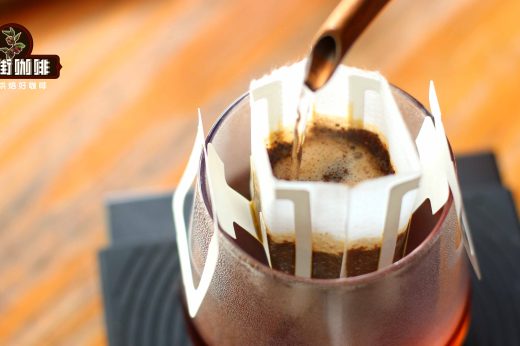
The ideal range for pour-over coffee of 70-80% must match the drip rate. Light-to-medium roast beans are best at 75-80% (1:15 coffee-to-water ratio, brewing for 1 minute 45 seconds at 93°C); a finer grind extends the flavor release window. Medium-dark roasts are suited to 70-75% (1:16 ratio, brewing for 2 minutes at 90°C); slightly coarser particles suppress the burnt bitterness from over-extraction. In practice, when the flow rate is too fast, adjust the grind size first rather than the pouring speed.

The optimal range for cold brew and ice drip of 80-85% is optimized specifically for cold-water extraction. Too fine causes water pooling in the coffee bed (use 80% for a clean mouthfeel, 85% for a rich, layered profile), and note that the ice drip rate is usually controlled at a 1:12-1:16 coffee-to-water ratio, with slow extraction over 4-12 hours. At this parameter, coffee particle diameter is about 800-1000 microns, ensuring full extraction while avoiding cloudiness.

Important note: the same grinder may produce significantly different actual results with different coffee beans. High-density Ethiopian beans and low-density Brazilian beans at the same setting may differ by 5-8% in pass-through rate. It is recommended to calibrate the equipment with a fixed test bean (such as a medium-roast blend), then apply it to beans from other origins.

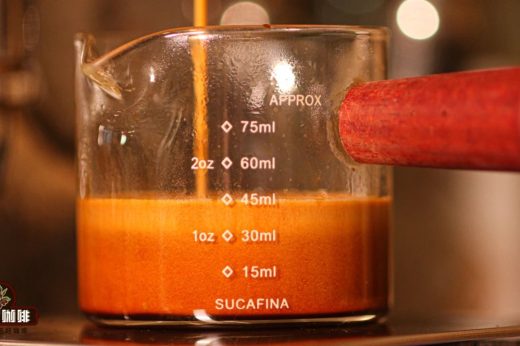
Espresso machine grind size cannot be measured with a sieve and requires the extraction test method. The standard commercial café protocol is 20g of powder extracting 40g of coffee liquid in 28±1 seconds (flow rate about 14g/10 seconds); home users can fine-tune from this baseline. Every 0.1-step change in grind setting may cause a 3-5 second difference in time; simultaneously observe the crema color (golden with tiger stripes is best) and mouthfeel balance. Special note: too many fines easily cause channeling, leading to uneven extraction.

Grind parameter adjustment should follow a systematic principle: first determine the basic range for the device, then fine-tune according to roast level (finer for light roasts/coarser for dark roasts), and finally verify through actual cupping. Remember there is no absolutely correct value, only the optimal solution suited to the characteristics of the current beans.