Panama Geisha Coffee: Regions, Grading and Flavor
Introduction: Why has Panama Geisha become the world's most expensive specialty coffee? This article examines how Panama's unique geography nurtures top-tier Geisha, details the microclimate advantages of core regions such as Boquete, and explains the screening criteria and flavor profiles of La Esmeralda's Red Label, Green Label and other Geisha grades, revealing the secrets behind this king of coffees.
When it comes to the Geisha variety in specialty coffee, most coffee lovers first think of Panama Geisha. Although Costa Rica, Colombia, Guatemala and other places also produce Geisha of considerable quality, Panama Geisha is undoubtedly the most famous and commercially valuable. What exactly makes Panama Geisha stand out? Let us examine this legend of the coffee world from geography and history to the grading system.
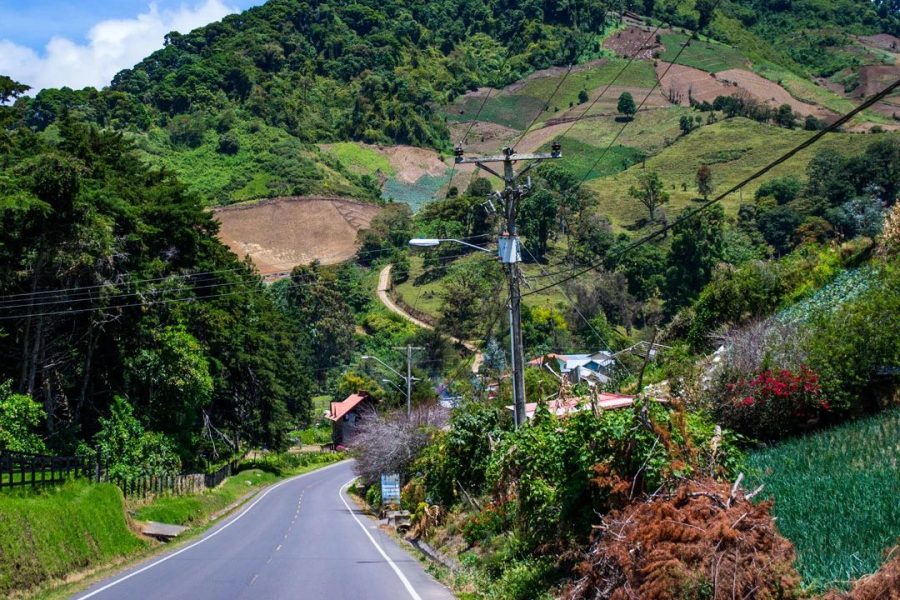
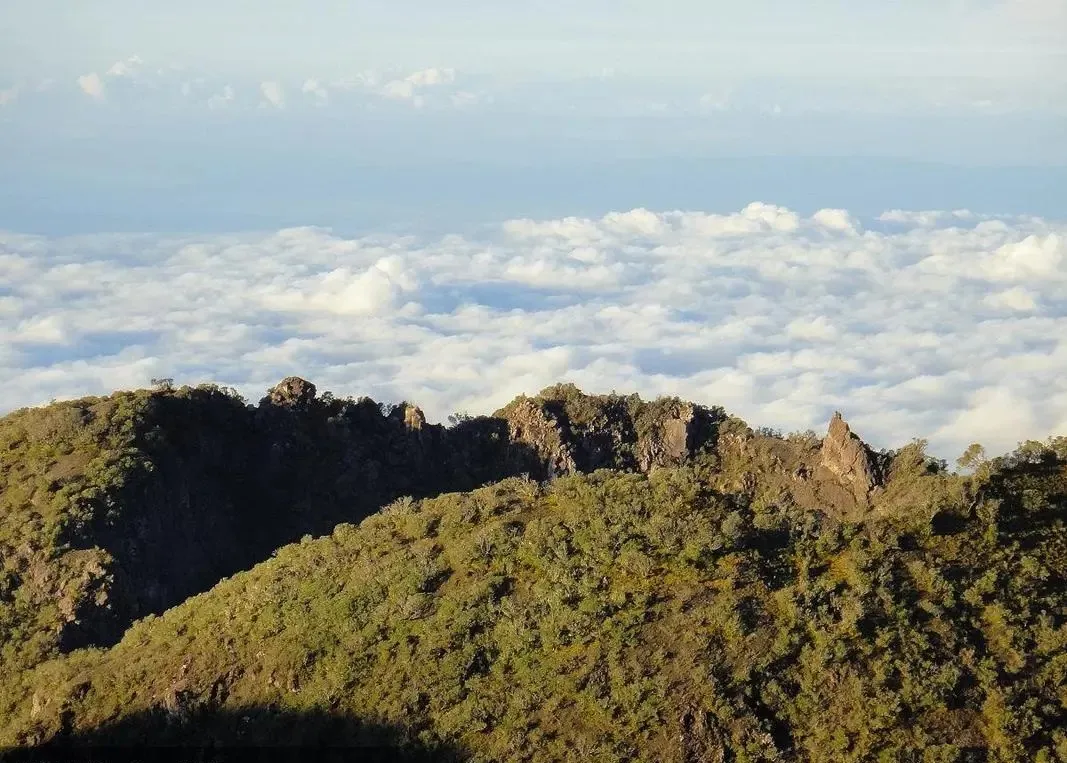
Panama lies in Central America, bordering Costa Rica and Colombia. The mountains that run from east to west across the country, especially the Central Cordillera, provide exceptional conditions for coffee growing. High-altitude areas are shrouded in cloud and mist year-round, with moderate temperatures averaging between 11°C and 27°C; abundant rainfall and fertile volcanic soil combine to create an ideal microclimate for coffee. In the Boquete and Candela areas in particular, cold air descending from elevations above 6500 meters gathers, forming a distinctive cool, humid environment extremely well suited to cultivating high-quality coffee trees.
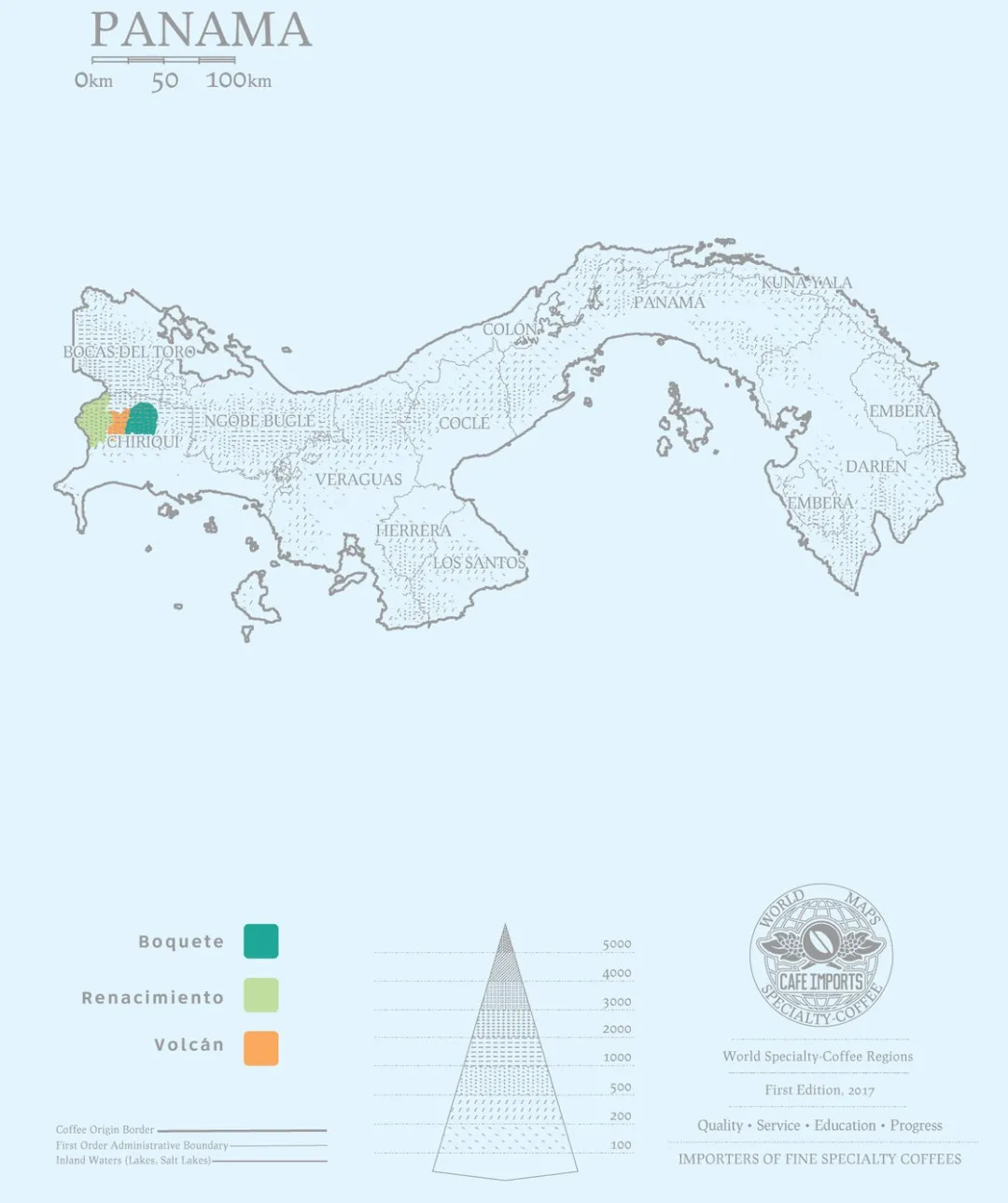
Panama is divided into 10 provinces and 5 indigenous regions, and specialty coffee cultivation is concentrated mainly in three regions of western Chiriquí Province: Boquete, Volcan-Candela and Renacimiento. Boquete and Volcan surround the famous Volcán Barú (also known as Chiriquí Volcano, 3477 meters above sea level) and are the core Geisha regions; Renacimiento lies in western Chiriquí Province, on the border with Costa Rica.
Panama's coffee-growing history dates back to the late 18th century. Around the 1780s, a retired British naval captain first introduced Typica and Bourbon varieties to the Boquete Valley, initially planting at lower elevations; later, to escape pests and diseases, cultivation gradually moved to the high-altitude Boquete Valley and the surrounding Volcan area, laying the foundation for today's specialty coffee regions.

Before 1989, coffee prices in Panama were regulated by the International Coffee Agreement. After the agreement collapsed, however, international green coffee prices fell sharply, from $1.20 per pound to $0.74, dealing a heavy blow to the traditional commercial coffee market. In response, seven local estate owners jointly founded the Specialty Coffee Association of Panama (SCAP) in 1996 and launched the first Best of Panama (BOP) green coffee competition and online auction, dedicated to promoting high-quality specialty coffee. It was this initiative that gradually brought Panama Geisha to the world stage.

The rise of Panama Geisha depended not only on a superior natural environment but also on the high caliber of local coffee farmers. In the early 20th century, with the construction of the Panama Canal, many European and American technicians and retirees moved here, and many chose to buy estates in Boquete, bringing advanced agricultural knowledge and management experience. These Western immigrants and their descendants generally had higher-education backgrounds, laying a solid foundation for the scientific cultivation and management of Panamanian coffee.

Among the many specialty regions, Boquete is undoubtedly synonymous with Panama Geisha. Located in northern Chiriquí Province and centered on Volcán Barú and the Caldera River, the region has complex terrain, frequent cloud and mist, and a marked day-night temperature difference, giving Geisha richly layered flavor conditions. The Geisha produced here is known for delicate floral and fruity aromas, bright acidity and a long, sweet finish, and is a "coffee paradise" in the minds of many coffee lovers.
When Panama Geisha is mentioned, La Esmeralda is a name that cannot be avoided. After winning the Best of Panama competition with Geisha in 2004, the estate not only brought Geisha to the world but also pioneered a strict Geisha grading system. Its Geisha is grown on three main farms—Jaramillo, Cañas Verdes and El Velo—each further divided into numerous micro-plots to ensure the distinctive flavor and traceability of every lot.
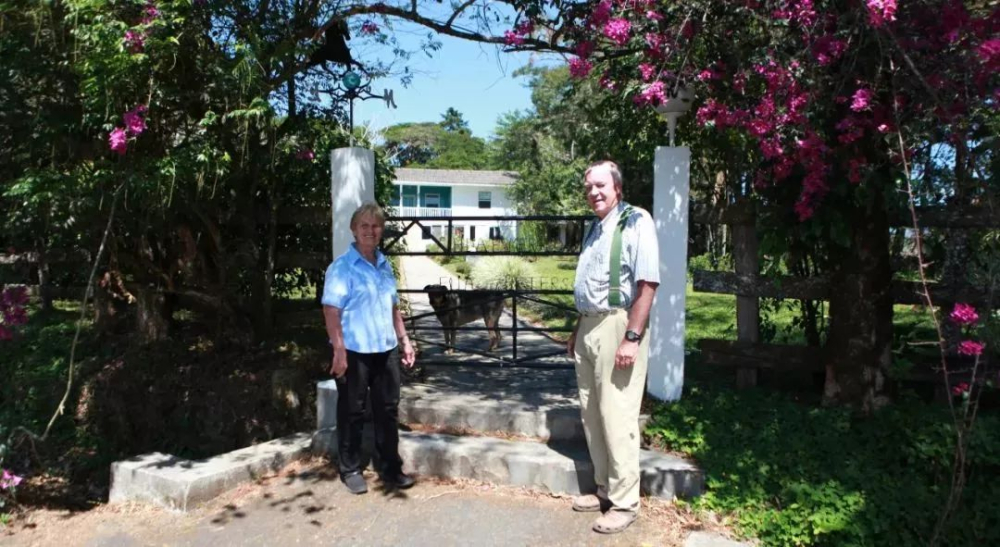
La Esmeralda's history is equally distinctive. It began as the Palmira farm purchased in 1964 by American banker Rudolf Peterson, initially focused on dairy production; in 1987 Caturra and Catuai varieties were introduced, and in 1994 a wet mill was built, marking the official transition to coffee production. In 1997, after third-generation family member Daniel took over, cupping revealed Geisha's unique potential, and in 2004 it won first place with its outstanding performance.

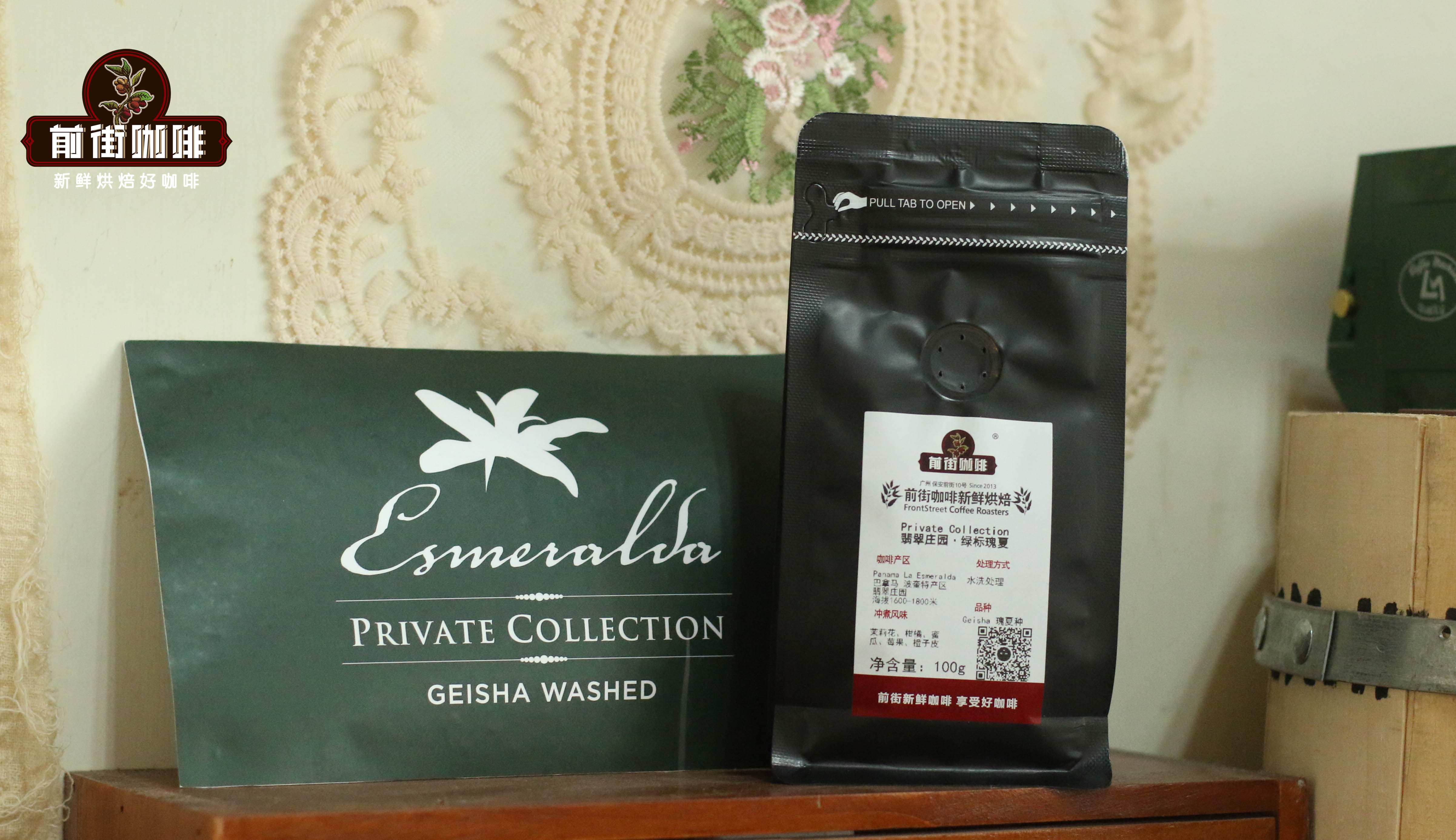
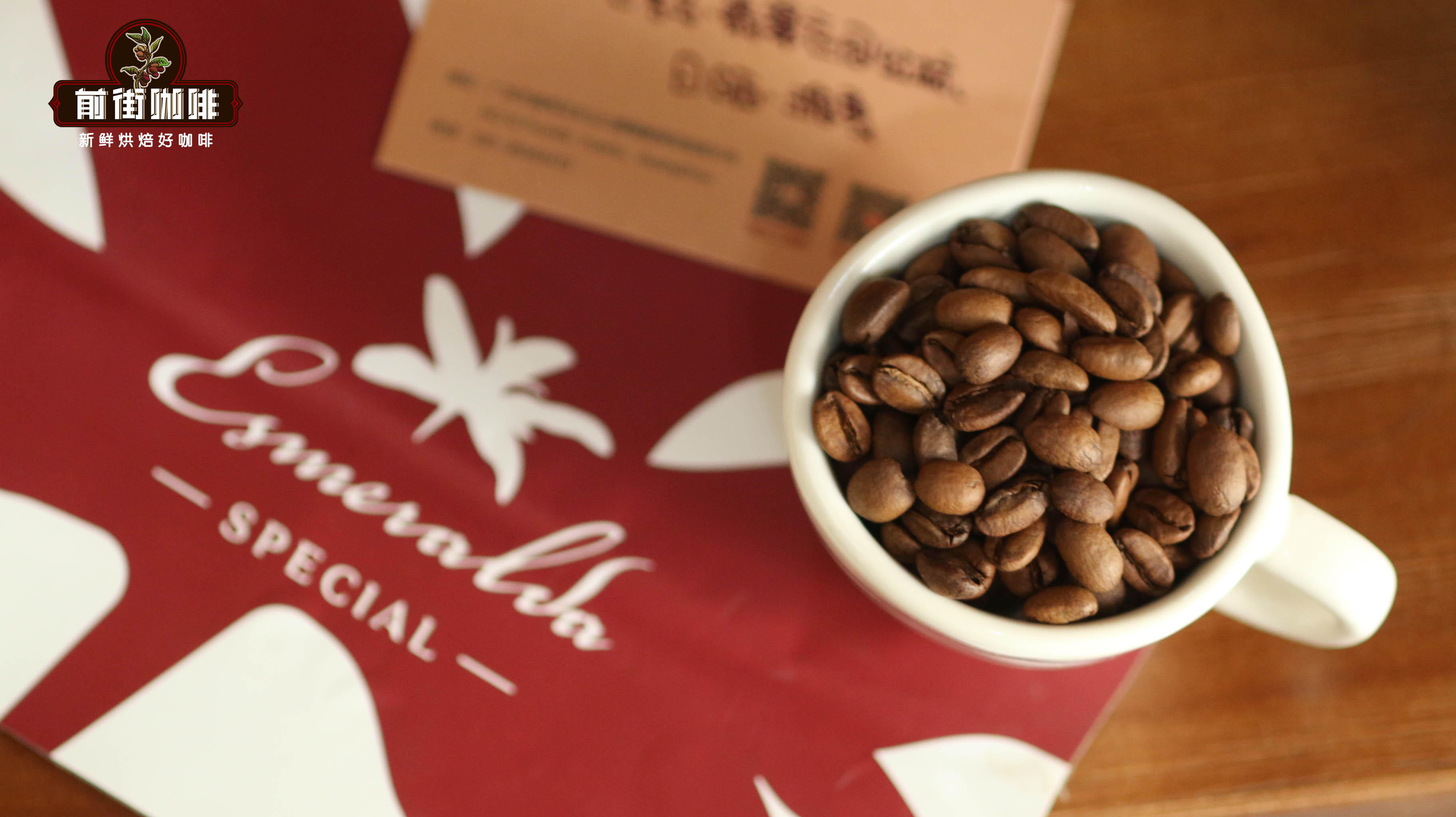
Today, La Esmeralda's Geisha is divided by quality and grade into four brands: Esmeralda Auction (auction lots), Esmeralda Special (Red Label), Private Collection (Green Label) and Diamond Mountain (a brand exclusively for Caturra and Catuai). The auction lots attract buyers from around the world each year, with prices repeatedly setting new records; the Red and Green Labels are the main high-end Geishas available on the market.
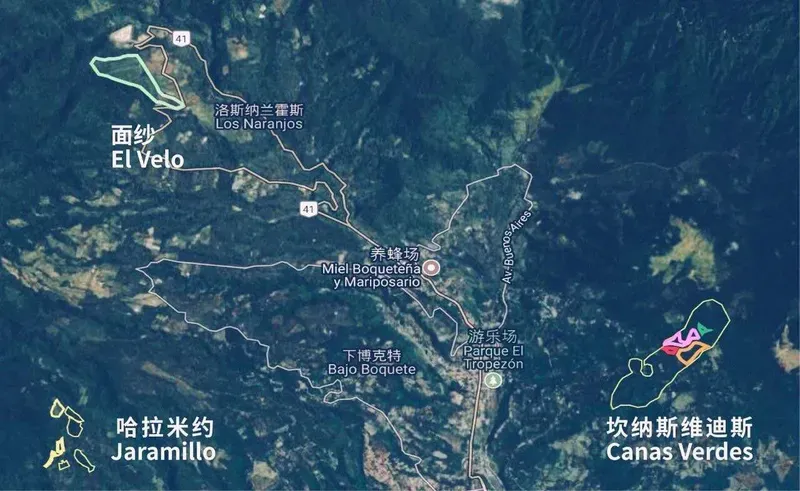
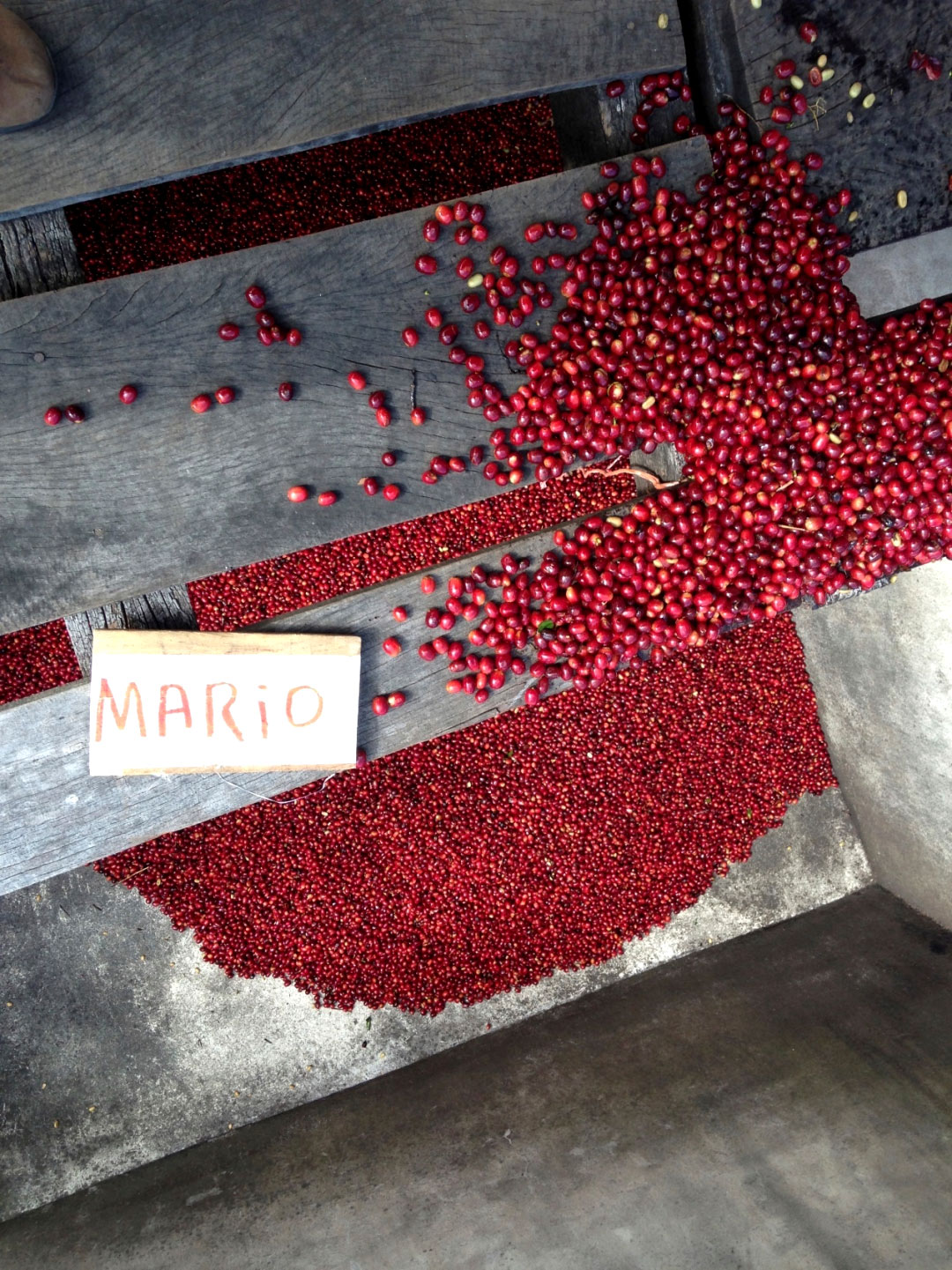
Jaramillo, one of La Esmeralda's highest-altitude regions, receives 4000 mm of annual rainfall, has a marked day-night temperature difference and cool, humid air—ideal conditions for Geisha. The farm is divided into 6 Red Label plots, including Mario, Noria, Reina, Bosque, Buenos Aires and the newly added Caballeriza, each with its own microclimate and flavor profile.

Cañas Verdes, often translated as "green fields," lies on the eastern slope of Volcán Barú at a wide range of elevations, from 1500 to 2050 meters. The area receives about 3500 mm of annual rainfall, has a pronounced day-night temperature difference and fertile volcanic soil, giving Geisha intense fragrance and complex layers. It is further divided into 11 small plots, such as Lino, Coronado and Fundador, each managed independently to ensure purity of flavor.
El Velo is the newest farm, purchased by La Esmeralda in 2012, and currently the highest-altitude growing area on average, with some sections carefully leveled. Besides Geisha, the farm also grows more than 400 coffee varieties from CATIE for variety research and long-term planting trials. El Velo sits between 1650 and 1900 meters, receives 4000 mm of annual rainfall, and ranges from 16-25°C by day to 11-16°C at night; it is divided into 7 fine plots, including Guabo, Portón and Durazno, each with distinctive terroir characteristics.
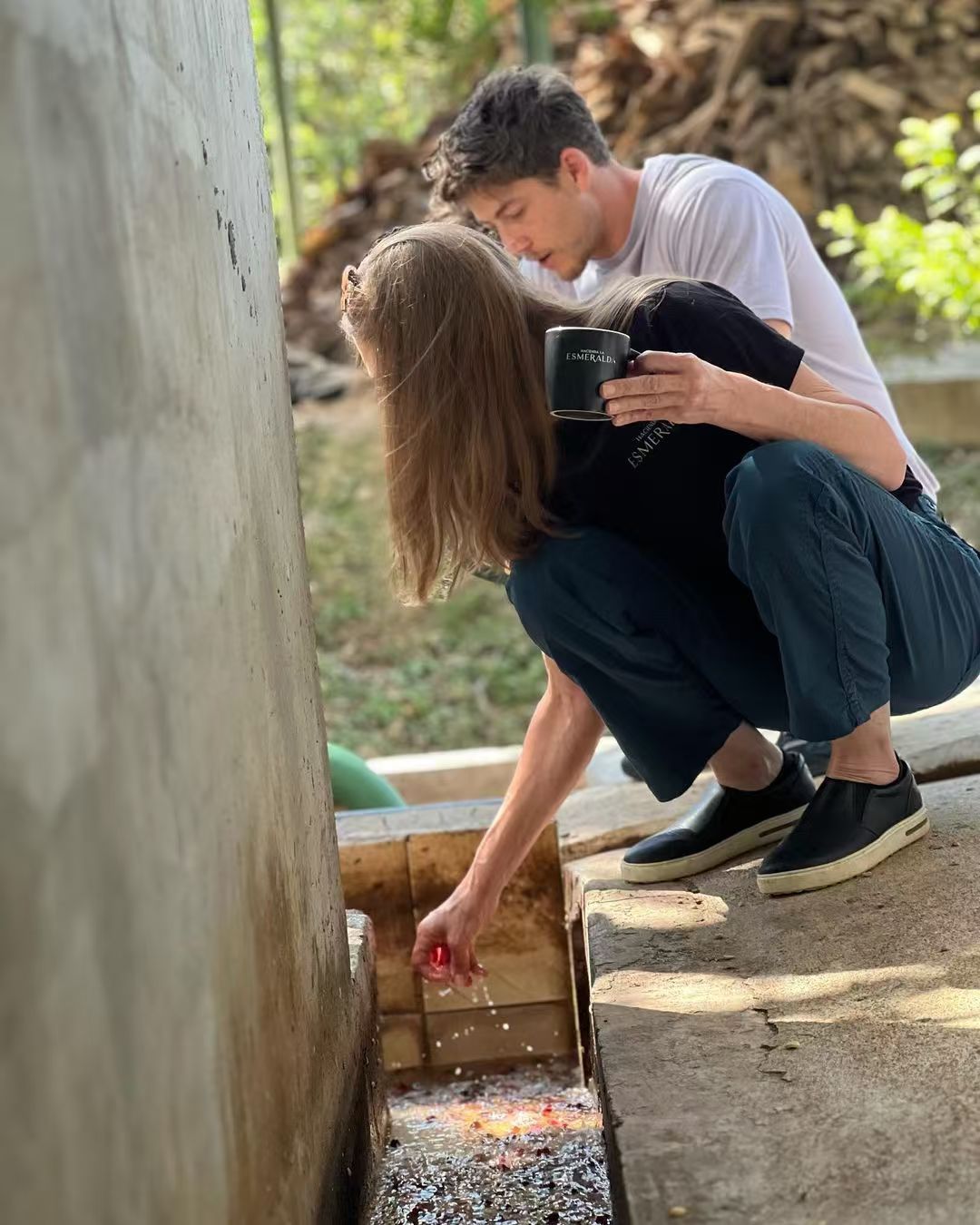
As for the lower-altitude Palmira farm, it focuses on Catuai, covering about 30 hectares; it is not only the estate's administrative center but also houses the main green coffee processing facilities, providing technical support for coffee production across the estate.
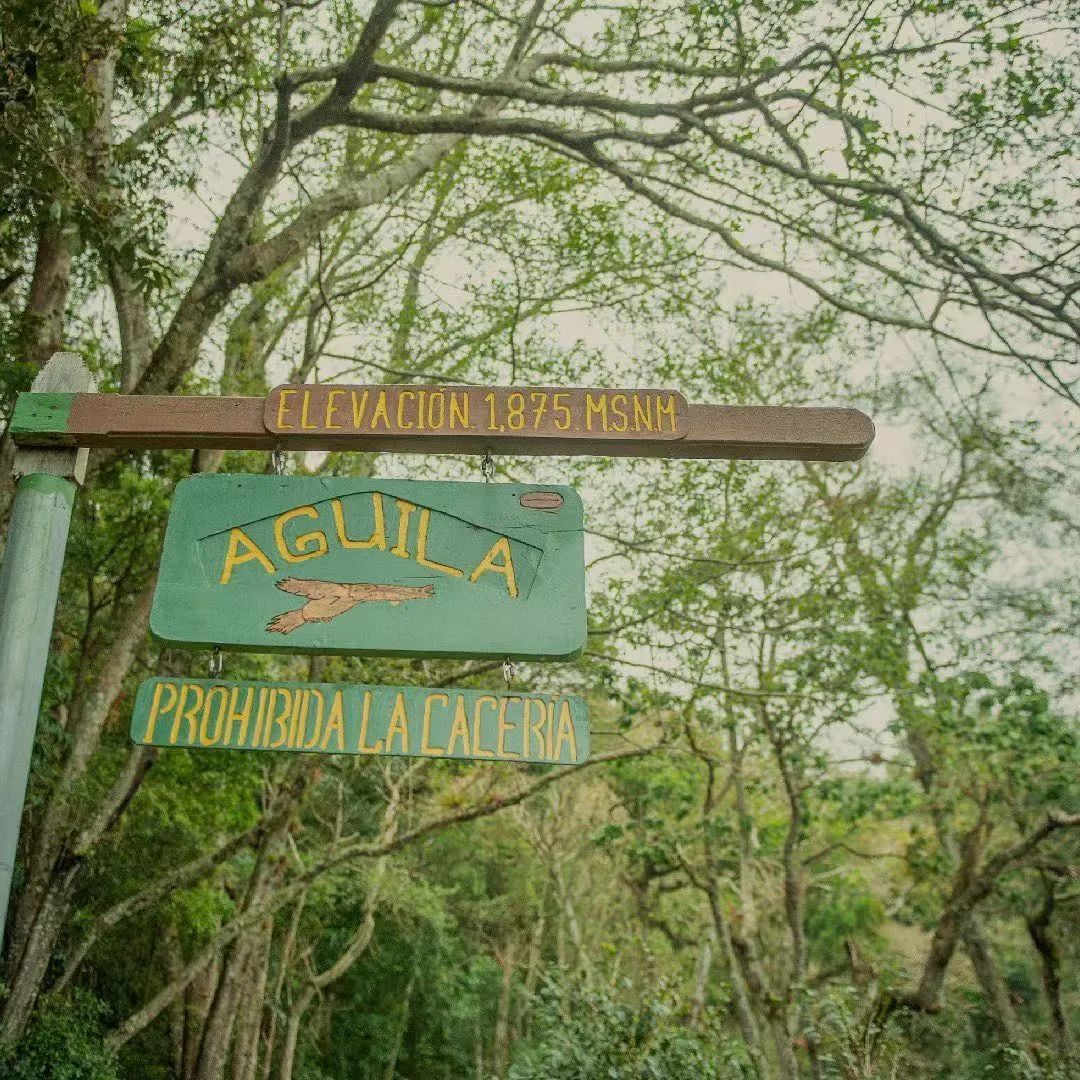
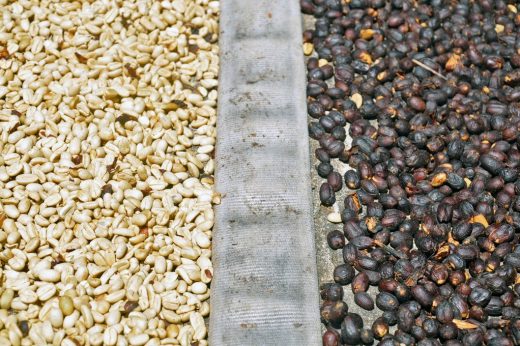
In La Esmeralda's Geisha grading system, the Red Label (Esmeralda Special) and Green Label (Private Collection) are the two most popular high-end grades. Red Label Geisha is grown at elevations above 1600 meters and scores no less than 91 points in cupping; each lot comes with detailed traceability information, including plot, elevation, latitude and longitude, tree age, and harvest and processing methods. Some Red Label Geisha, for example, is harvested from the Sugarcane plot and given a 25-day slow natural process, showing rich aromas of jasmine, cranberry, citrus and cinnamon.
Green Label Geisha (Private Collection) is typically harvested from mixed plots on the main estate at 1600-1800 meters; although it does not enter the auction, it retains the classic flavor characteristics of high-altitude Geisha. Since 2022, Green Label Geisha has begun indicating the specific sub-farm, and it is mostly washed, with a fresh, natural flavor profile commonly showing lemon, berries, pomelo and Tieguanyin tea notes—an extremely good-value Geisha choice.