Geisha Coffee Beans: From Panama to Ethiopia, Grading, Flavor, and Brewing Guide
Introduction: Why is Geisha coffee so sought after? From its Ethiopian origins to the legendary Panama Hacienda La Esmeralda, and to the unique varieties of Ethiopia's Gesha Village, this article takes you deep into the origins, global distribution, grading systems, and flavor differences of Geisha coffee, and provides professional pour-over parameters and techniques to help you fully experience the charm of this top-tier coffee.
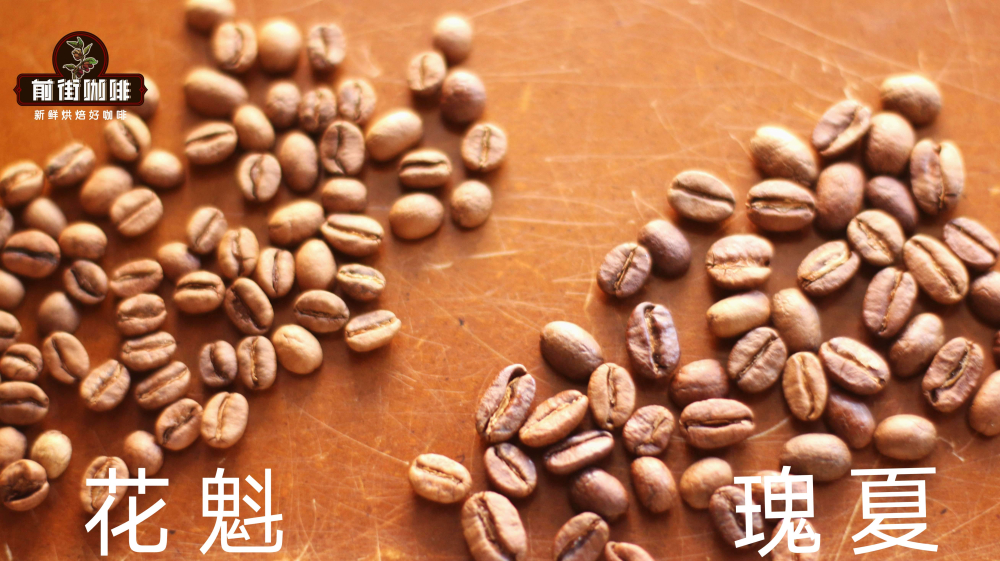
Some coffee professionals have claimed on social media that 'Ethiopia Guji Hambela Buku natural heirloom, marketed as Huakui, is Geisha,' sparking much discussion. In fact, Huakui is a natural heirloom from the Buku processing station in Hambela, Sidamo, Ethiopia; the name comes from a domestic green bean company's commercial naming. Geisha, on the other hand, is an independent coffee variety widely planted in multiple production regions worldwide. This article provides a comprehensive analysis of Geisha coffee's varietal background, main producing areas, grading systems, and flavor characteristics.
The Geisha variety was first discovered in 1931 in the Geisha forests of Ethiopia, then sent to the Kenyan Coffee Research Institute. It was introduced to Uganda and Tanzania in 1936, reached Costa Rica in 1953, and arrived in Panama in 1970. For a long time, Geisha did not receive special attention until 2003, when Panama's Hacienda La Esmeralda (also known as Esmeralda Estate) separated it from other varieties for cultivation, and in 2004 won the Best of Panama (BOP) competition with Geisha coffee. Only then did this variety truly emerge.
Geisha's unique flavor is closely tied to its high demands on the growing environment. It is suitable for cultivation at high altitudes, requires cloud cover or dense shade trees for protection, and needs rich, fertile soil. Under high-altitude conditions, Geisha often exhibits prominent floral aromas, delicate fruit acidity, and rich layers, qualities that have made it sought after by coffee lovers worldwide.
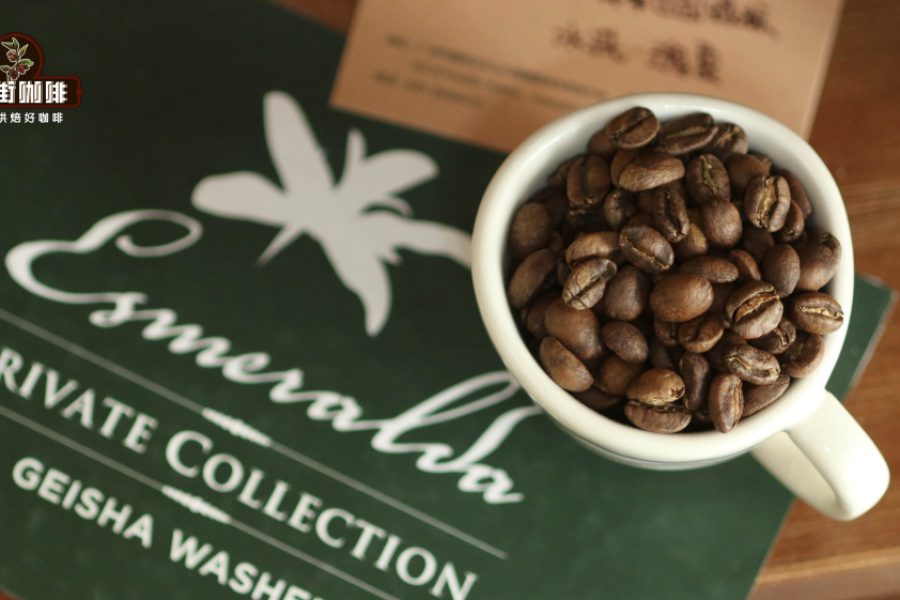
When mentioning Geisha coffee beans, most people first think of Hacienda La Esmeralda Geisha from the Boquete region of Panama. Since being independently cultivated in 2003, the estate's Geisha has won numerous international green bean competitions such as BOP. In brewing performance, high-quality Panama Geisha often carries rose floral notes and citrus tones, with an overall flavor as fresh and elegant as floral-fruit tea. Hacienda La Esmeralda has also established its own grading system, classifying Geisha into multiple grades based on growing altitude, plot subdivision, and processing method.
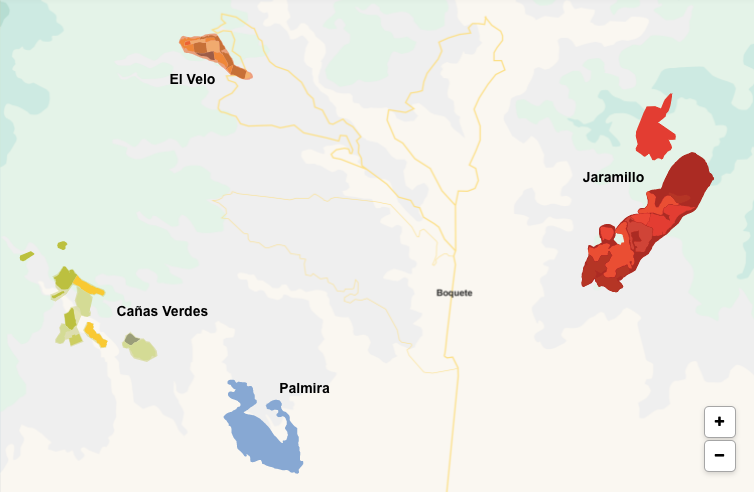
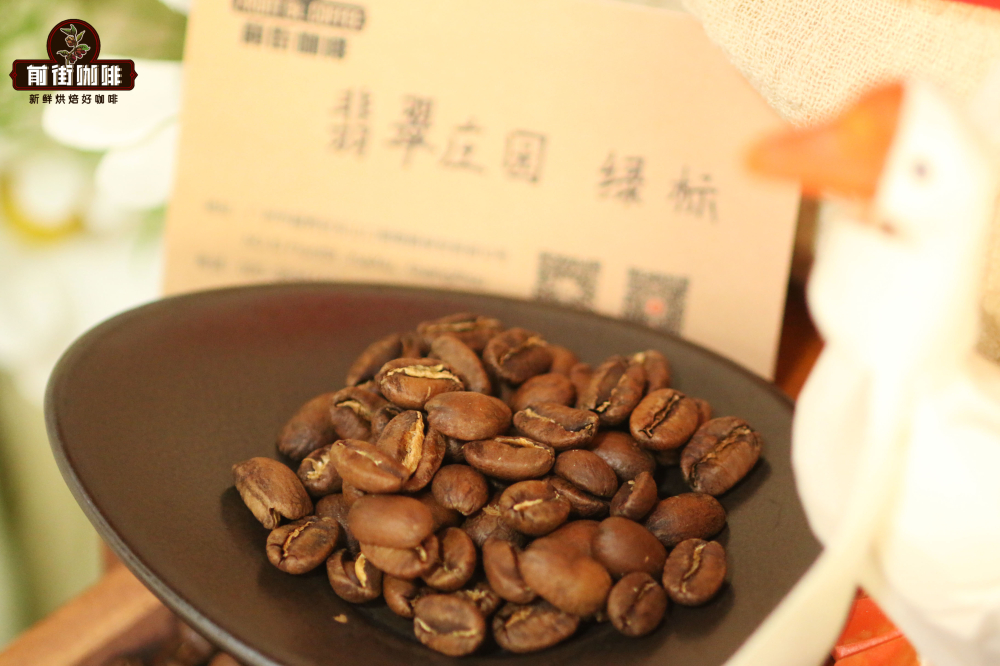
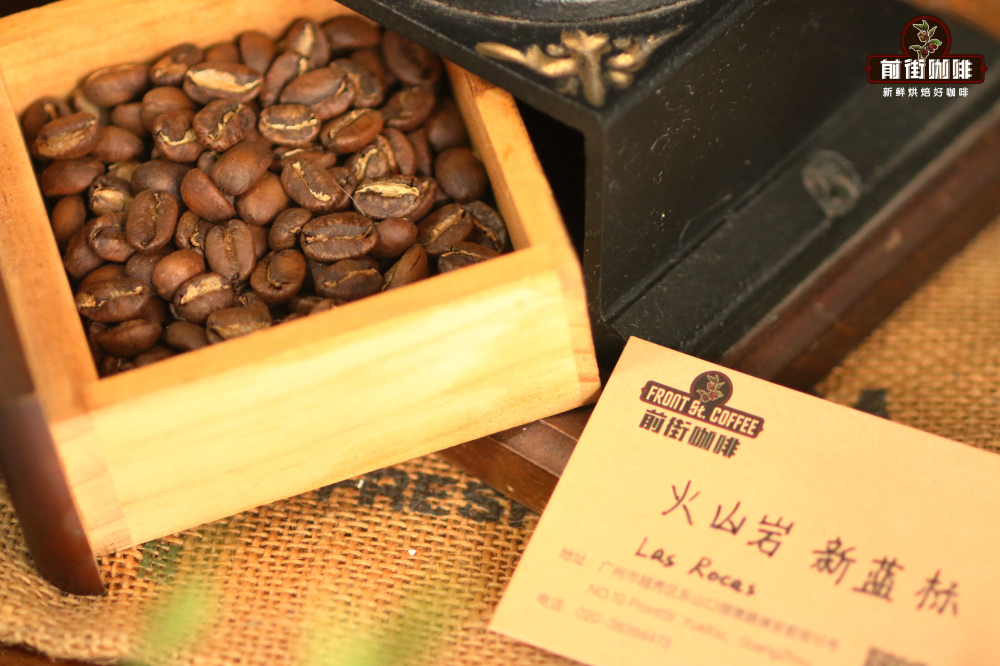
Hacienda La Esmeralda's Geisha grades mainly include: Red Label Geisha, produced from specific subdivided plots at 1600-1800 meters altitude, usually a single-plot offering; Green Label Geisha, also from 1600-1800 meters altitude, but a blend of multiple plots; and New Blue Label Geisha, from volcanic rock areas at about 1500 meters altitude, also a blend. These three grades each have distinct flavor profiles.
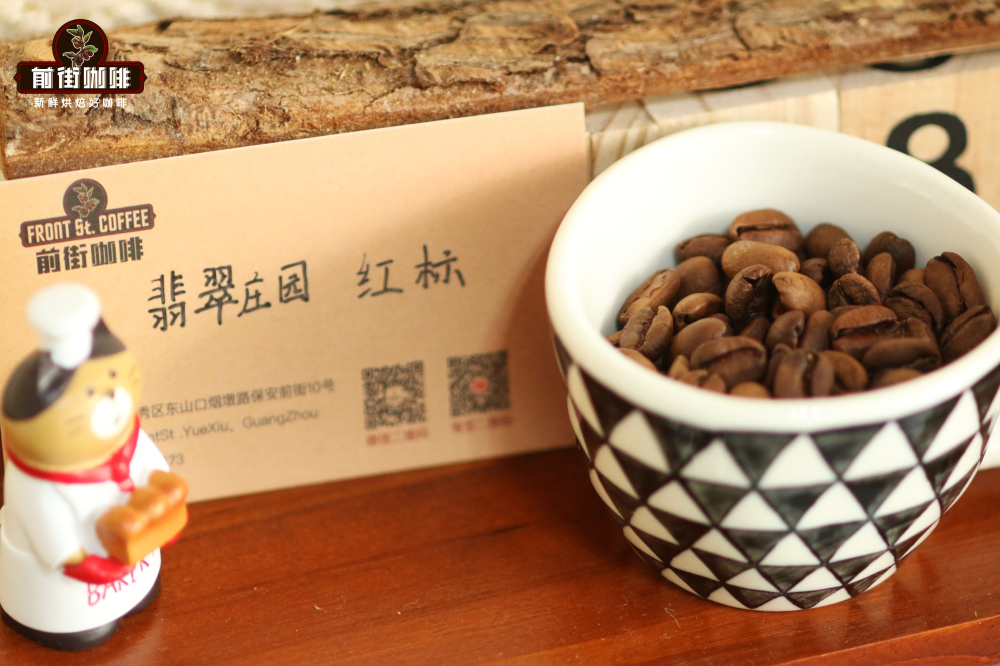
Red Label Geisha, harvested from the same high-altitude plot, has a more intense and clear flavor, commonly featuring strawberry sweetness and acidity, rose aroma, oolong tea sensation, and honey finish; Green Label Geisha, though not a single plot, is also grown at high altitude, presenting jasmine, ginger flower, and other floral notes, accompanied by citrus acidity and a Tieguanyin-like tea finish and aftertaste; New Blue Label, grown at relatively lower altitude, has a fresh flavor dominated by white floral notes, citrus tones, and a honey-green tea finish.
It is worth noting that Ethiopia also has a production area called Gesha Village, whose coffee beans are often mistaken for the same variety as Panama Geisha. In fact, Gesha Village is located in Bench-Maji in the Kaffa forest region. In 2007, documentary director Adam Overton and his wife Rachel Samuel established the estate there and introduced Panama's cultivation and management techniques. They discovered native Geisha trees in the nearby Gori Gesha forest, then selected and planted them and established Gesha Village Coffee Estate.

The Geisha grown at Gesha Village is not the same as Panama Geisha; it includes three varieties: Gori Gesha, Gesha 1931, and Illubabor Forest. The first two are genetically related to Panama Geisha but not the same variety, while the latter is a disease-resistant variety. Gesha Village classifies its coffee into five batches based on quality and processing method: Auction, Gold, Red, Green, and Chaka.

The Auction batch has extremely low production, accounting for only 3.7% of annual output. It is the estate's top coffee and must be obtained through global auction. The Gold batch accounts for about 10% and is also high-quality Geisha. For example, the Oma plot Gold (Oma 059), cupped by a professional institution, underwent 32-day natural processing; its dry fragrance is intense, wet aroma turns to floral and berry notes, the palate balances citrus and creaminess, acidity is soft, and the finish carries fermented notes and caramel sweetness.

The Red batch accounts for about 15%, has complete traceability information, and usually scores above 88 points (SCA standard). Its flavor intensity is slightly less than Gold but offers better value. For example, the natural Red Label from the Shewa-Jibabu plot has tropical fruit, bergamot, and lemon tones, gradually revealing jasmine and toffee aromas as temperature changes. Green Label is single-plot and single-variety, providing detailed traceability information; the Chaka batch is a blend of processing methods, including all blocks and multiple varieties from the estate throughout the year, available in both natural and washed versions.



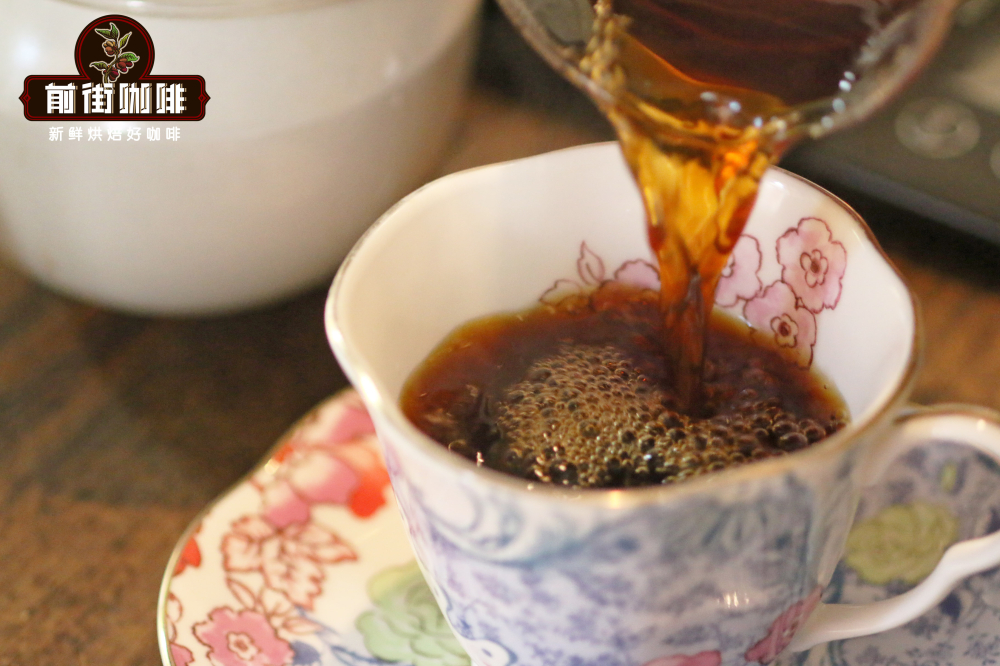
Whether from Panama's Hacienda La Esmeralda or Ethiopia's Gesha Village, Geisha coffee is renowned for its unique flavor and meticulous processing. If you also want to try brewing Geisha, a V60 dripper is recommended, with about 15 grams of coffee, a coffee-to-water ratio of 1:15, water temperature controlled at 90-91°C, and a grind size of medium-fine (80% passing a No. 20 standard sieve). Use a three-stage pour: first pour 30 grams of water for blooming for 30 seconds; second pour to 125 grams; when the liquid level drops to two-thirds, third pour to 225 grams. Total extraction time is about 2 minutes 10 seconds to 2 minutes 20 seconds, which fully brings out Geisha's delicate flavors.