Panama Geisha Explained: From BOP Champion to Record Prices
Introduction: Uncover why Panama Geisha has become the 'ceiling' of the coffee world—from winning the 2004 BOP competition to today's astronomical prices reaching tens of thousands of yuan per pound, what legendary journey has this coffee variety called Geisha undergone? This article traces Geisha's migration path from Ethiopia to Panama, analyzes the deep reasons behind flavor differences across origins, and provides professional-grade variety identification points and brewing suggestions.
The 'white moonlight' in the hearts of coffee lovers worldwide—Geisha coffee—thanks to its signature jasmine aroma, tropical fruit notes, and tea-like finish, has gradually become the benchmark variety in the specialty coffee field since winning the 2004 Best of Panama (BOP) competition. But when the market claims to grow 'Geisha' from Ethiopia to Yunnan, why is only the Panamanian version often labeled with a 'sky-high price' tag? Behind this lie multiple variables involving variety traceability, terroir conditions, and processing techniques.
{{IMG}}
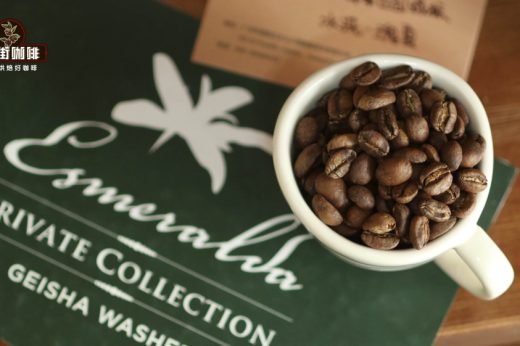
Consumers ordering at cafés should note: so-called 'Geisha' may be different varieties sharing the same name. If you're lucky enough to drink a version with bright citric acidity, apricot sweetness, and a honey finish, it is most likely the T2722 line (i.e., VC496) that originated from Hacienda La Esmeralda's original competition entry in Panama; while more coffees bearing the 'Geisha' label may be Ethiopian landraces or closely related varieties introduced in other regions, with flavor profiles often differing significantly—anything from mediocre to stunning is possible.
{{IMG}}
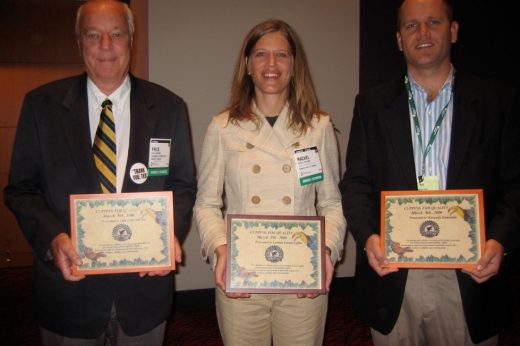
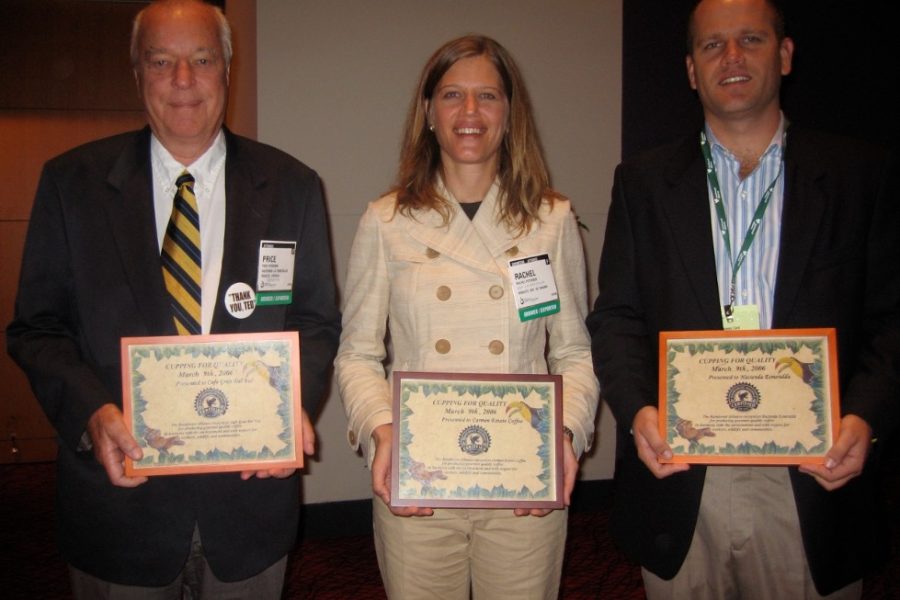
Tracing back to the starting point of this flavor revolution: at the 2004 BOP competition, the coffee submitted by Hacienda La Esmeralda overturned the judges' perceptions. At that time, mainstream coffees from Central and South America were dominated by nutty and chocolate notes, yet this bean from Panama's Boquete producing region displayed rich floral aromas and citrus acidity similar to Ethiopia's Yirgacheffe. Estate owner Price revealed the answer—the variety was named Geisha, whose origins can be traced back to a plant collection expedition during the British colonial period in 1931.
{{IMG}}
A variety migration history on the scale of the Age of Discovery: In 1931, British officer Colonel Richard Whalley was tasked with traveling to Ethiopia's Kaffa forest (now part of the Jimma region) to collect coffee samples in a pristine forest called Gesha. Due to a language translation error, he recorded the origin as 'Geisha,' and these seeds were subsequently sent to research institutions in Kenya and Tanzania. After nearly 30 years of selection and cultivation, the Lyamungu Research Station in Tanzania sent the line numbered VC496 to the CATIE research institute in Costa Rica, and it was finally introduced into the country in 1963 by an official from Panama's Ministry of Agriculture.
{{IMG}}
Key detail: From the Ethiopian pristine forest to Panama's Hacienda La Esmeralda, the Geisha variety underwent four geographic transfers and rigorous selection. The T2722 number used by Hacienda La Esmeralda actually corresponds to Tanzania's VC496 line, which, through acclimation to Panama's volcanic soil and high-altitude environment (1,500–1,800 meters), ultimately triggered the expression of unique floral and fruity aroma genes.
{{IMG}}
{{IMG}}
Ethiopia's 'Geisha puzzle': Although the Gesha forest is located in southern Ethiopia, local landraces and Panama's T2722 are not the same concept. In 2009, documentary director Adam Overton's team, with the assistance of Willem Boot (a 2004 BOP judge), went deep into the Gesha forest to search for varieties with similar flavors, ultimately naming Gesha 1931 and Gori Gesha. Although these varieties partially replicate the characteristics of Panama Geisha in appearance and cupping, due to the lack of genetic comparison, it cannot be confirmed whether they are the same line, and they generally lack the latter's signature tea-like quality and layered complexity.
{{IMG}}
{{IMG}}
Causes of differences in neighboring producing regions such as Costa Rica: Three major factors lead to flavor divergence. First, early introduced Geisha included multiple numbers (such as T2917 and T3214), and some estates mistakenly included non-T2722 lines within the 'Geisha' category; second, planting areas below 1,400 meters in altitude tend to produce excessive woody notes and bitterness; finally, the locally prevalent honey processing and fermentation techniques may mask the variety's original flavor characteristics. In contrast, Panama's high-altitude cultivation combined with natural/delicate washed processing better highlights Geisha's fresh acidity and explosive floral-fruity aromatics.
{{IMG}}
{{IMG}}
Consumer purchasing guide: If pursuing the classic Geisha experience, prioritize the T2722 line from Panama's Boquete producing region, grown at altitudes above 1,600 meters, with natural or double-washed processing. Observe the green bean morphology: premium Geisha typically features elongated oval bean shape, waxy luster, and high uniformity. Recommended brewing parameters: 92–94°C water temperature, 1:15 coffee-to-water ratio, medium-fine grind (75% passing through China standard No. 20 sieve), using a pulse-pouring method to highlight layering.
{{IMG}}
{{IMG}}
'Geisha' coffees from other producing regions can serve as supplementary choices for flavor exploration, but expectations need adjustment—Ethiopian landraces may be closer to traditional floral notes, while Costa Rican versions often carry a caramel-nut base. Remember: the true Geisha miracle stems from the perfect combination of a specific genotype and environmental conditions, just as the founder of Hacienda La Esmeralda said: 'This is not magic, but the result of 40 years of patient waiting and scientific cultivation.'
{{IMG}}