Gesha Village Gold vs Esmeralda Red: Flavor and Pour-Over Guide
Introduction: Panama's Hacienda La Esmeralda Red Label and Ethiopia's Gesha Village Gold Label are often mentioned by coffee enthusiasts. Both are top-tier geshas, yet their prices and flavors differ noticeably. This article examines the grade standards, varietal origins, regional terroir and actual brewing performance of these two high-priced beans, and provides professional pour-over parameters to help you find the choice better suited to your taste.
When specialty coffee enthusiasts discuss gesha, they often focus on two signature products: the red-packaged beans from Panama's Hacienda La Esmeralda and the gold-packaged beans from Ethiopia's Gesha Village. These two beans differ significantly not only in green bean cost but also in retail price; for example, 100 grams of Gesha Village Gold sells for about 158 yuan, while the same amount of Esmeralda Red can reach 350 yuan. Behind this price gap is a strict quality grading system.
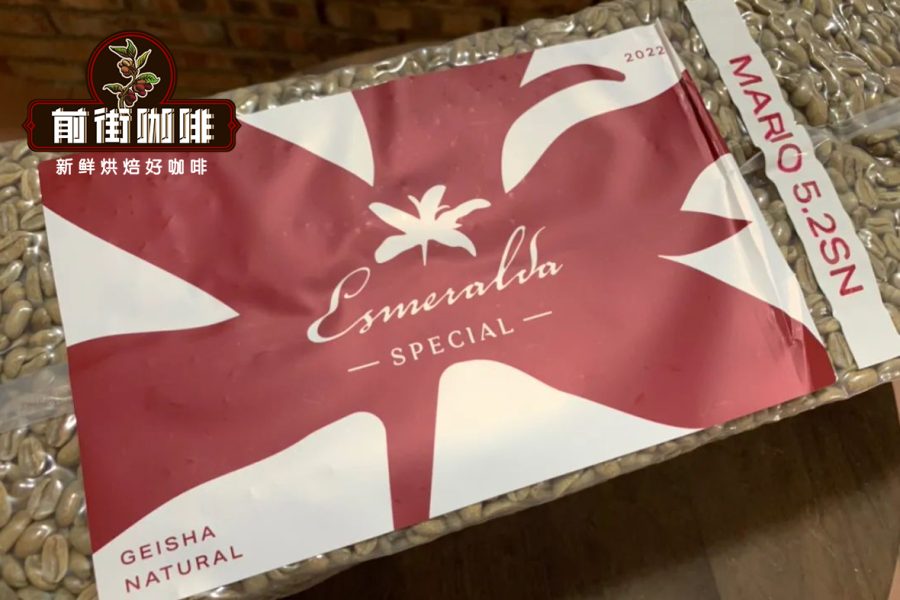
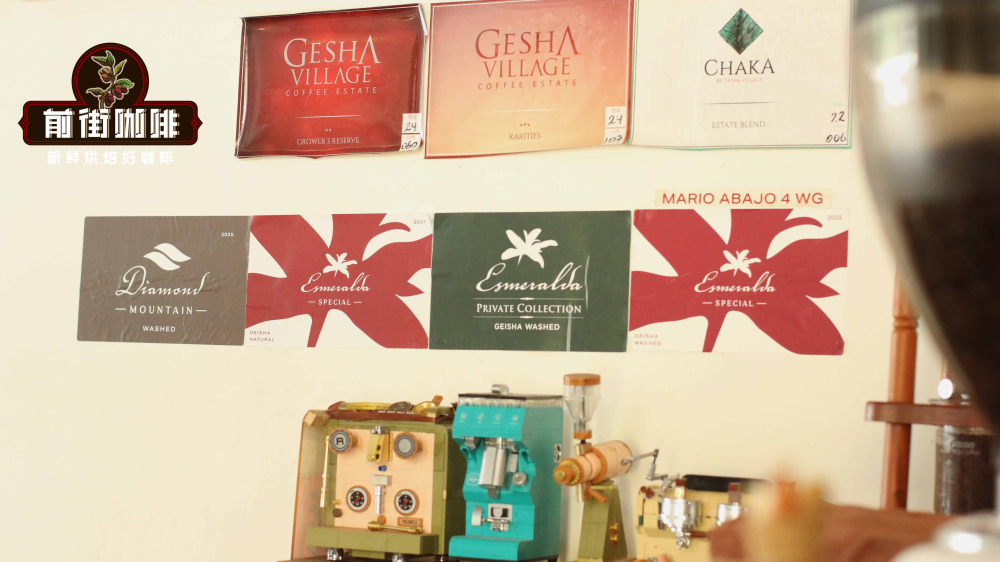
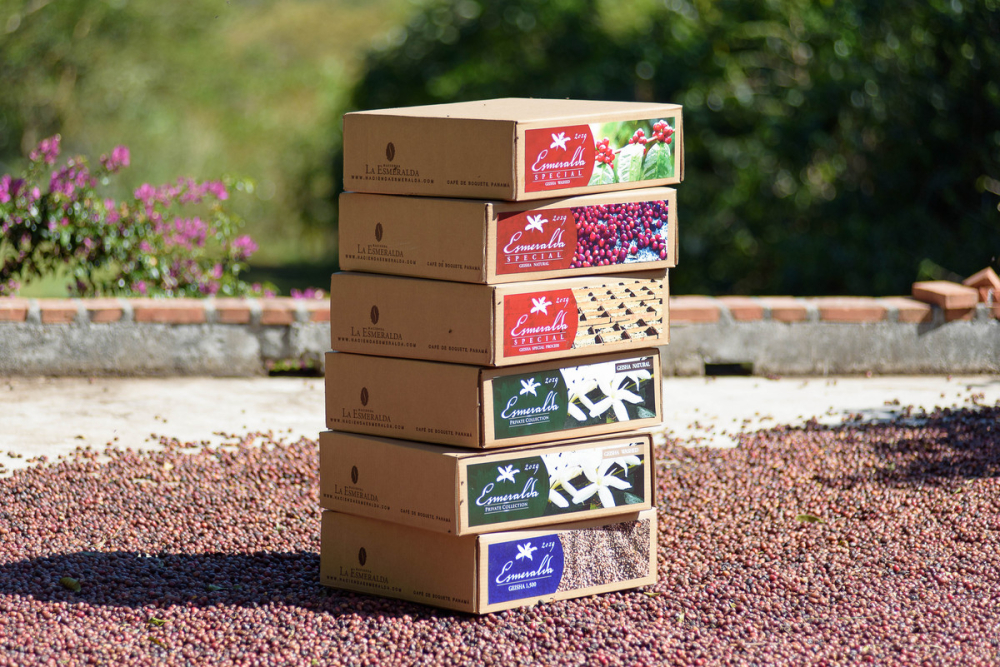
The Chinese market customarily uses color labels to distinguish grades. For example, Esmeralda's "Red Label" represents its highest-quality series, "Esmeralda Special," which requires a cupping score above 91 and detailed origin information on every lot. The original English name "Special" is the core identifier; the Chinese "Red Label" comes only from the trademark's background color. Similarly, Gesha Village's "Gold Label" is officially named "Rarities," meaning rare treasures, and accounts for 10% of the estate's annual output; each lot also provides plot traceability information.
Note that the same color label means different things at different estates. Esmeralda also has a Green Label (sub-auction lots) and a Blue Label (regular Boquete gesha), while Gesha Village has its own color-label system with the same names but different standards. If you choose by color alone when ordering, you may easily confuse two completely independent product lines from Panama and Ethiopia.
Although both are called "gesha," the two varieties are in fact distant relatives. The gesha that won the 2004 BOP competition comes from the "geisha T2722" variety of the Kaffa forest in southwestern Ethiopia, catalogued by CATIE. Gesha Village's "Gesha 1931" is a similar variety selected by owner Adam with reference to the morphology of Panama gesha; although the flavor is similar, its genetic identity cannot be confirmed, and the name commemorates the variety's first record in Ethiopia in 1931.
The regional environment shapes distinct flavor differences. Hacienda La Esmeralda is located in the highlands of Boquete, Panama, where volcanic soil and a microclimate with large day-night temperature swings give the classic gesha its signature jasmine aroma, peach-apricot sweetness and honey finish.Gesha Village is located in Ethiopia's Bench Maji region, at elevations generally above 1,900 meters; the extremely high growing altitude slows fruit ripening, building bright citrus notes and a tea-like acidity.
Taking a common natural-process lot as an example, the recommended optimal brewing parameters for both beans are as follows: use 15 grams of coffee, a V60 dripper, a 1:15 coffee-to-water ratio, and a water temperature of 92°C. Set the grind to 10 on an EK43 grinder (roughly an 80% pass rate through a No. 20 sieve), and use a three-pour method: first pour 30 ml of 92°C water and let it bloom for 30 seconds, then pour in circles to 125 ml and pause for 30 seconds, and finally pour slowly to 225 ml to complete the extraction.
Flavor comparison tests show:Gesha Village Gold's dry aroma is dominated by citrus fruit notes such as orange peel, and after brewing it presents bright fruit notes of blueberry and honeydew melon, with lively acidity and a floral-tea finish;Esmeralda Red is distinguished by rose aroma and apricot-peach sweetness, with richer layers of tropical fruit flavor and a finish that blends the richness of toffee and fruit candy. Professional cuppers generally agree that the former excels in freshness and acidity purity, while the latter has the advantage in flavor complexity and body.
The price difference mainly stems from grading standards and output control. Esmeralda Red uses only top lots from specific micro-regions of Boquete (such as the Buenos Aires plot in Jaramillo), while Gesha Village Gold, though a small proportion of output, covers multiple Ethiopian heirloom plots. For consumers trying high-priced gesha for the first time, we recommend prioritizing personal taste preference: those who prefer clear fruit acidity and tea-like notes can choose Gold, while those pursuing rich sweetness and layered complexity are better suited to Red.