Yunnan Pu'er Catimor Coffee: Black Tea Natural Process Flavor and Brewing Guide
Introduction: Yunnan is not only the home of Pu'er tea but also an important region for quality coffee beans. Menglian Xingang Tea & Coffee Factory has integrated the traditional black tea pile-fermentation process into coffee processing, pioneering the "black tea natural" method to give the Catimor variety a unique tea-like flavor. This article explains the steps of this innovative processing method, its flavor characteristics and the best brewing approach, exploring the subtle collision between coffee and tea craftsmanship.
In this colorful land of Yunnan, tea and coffee share the same plantations. More and more estates are trying a "tea-coffee coexistence" model, and among them the "black tea natural" process developed by Menglian Xingang Tea & Coffee Factory stands out. This innovative technique draws on traditional black tea-making skills; by modifying the pile-fermentation stage, it gives ordinary Catimor coffee beans a distinctive tea character.
Tea farmers' keen sense of fermentation craftsmanship makes it easier for them than pure coffee growers to master this cross-disciplinary technique. So how is black tea's pile fermentation adapted to coffee processing? The key lies in moist-heat environment control and microbial action—which coincides with the core principles of specialty coffee fermentation. Let us focus on the technical details of this unique processing method.
The traditional black tea-making process (centered on pile fermentation) includes: picking → withering → fixation → rolling → pile fermentation (key fermentation stage) → drying. Pile fermentation creates suitable temperature and humidity by heaping the tea leaves, using microbial communities and enzymatic reactions to form the mellow mouthfeel characteristic of black tea. Similarly, the black tea natural process places whole coffee cherries in a specific environment for gradient fermentation:
The specific operation is divided into five stages: ① after picking fully red cherries, skip flotation and dry directly (single-layer thickness 5-8 cm, lasting 7-10 days with nighttime covering against rain); ② when moisture content drops to 30%-40%, switch to stacked fermentation (thickness 5-6 cm, turned once every 2 hours); ③ at night carry out deep pile fermentation (pile height 15-20 cm); ④ after drying is complete, rest and age for more than 4 weeks; ⑤ finally hull and ship the product. Throughout the process, moisture changes must be monitored every 2 hours, and the degree of fermentation is judged by observing sugar exudation on the fruit skin.
Unlike the traditional natural method, coffee cherries processed by the black tea natural method retain soluble sugar crystals on their surface after drying, with a sticky feel. This process gives the coffee a unique brown sugar sweetness and tea-like finish while maintaining bright cleanliness. The image shows the state of coffee cherries processed by this method.
The sample for this review comes from the Pu'er Menglian region, with the following parameters:
• Variety: Catimor
• Altitude: 1120 meters
• Process: Black tea natural
• Flavor characteristics: brown sugar base, honey sweetness, pronounced tea-like finish
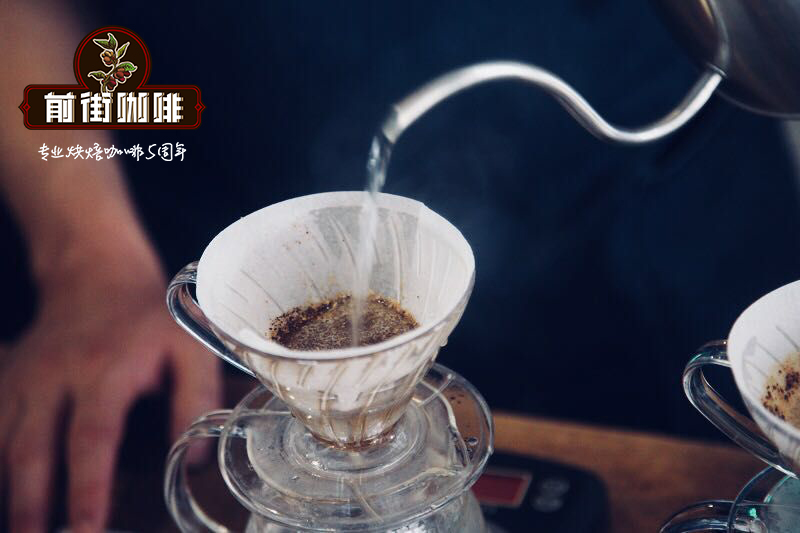
For coffee beans with this special processing method, V60 pour-over is recommended:
• Water temperature: 90°C (avoid overly heavy tea notes from high heat)
• Coffee-to-water ratio: 1:15 (20 g coffee to 300 ml water)
• Grind: standard V60 setting (medium-fine)
• Brewing rhythm: 30-second bloom → 1-minute high-flow pour → extraction completed at 1 minute 50 seconds
In practice, this bean releases sweetness slowly but persistently, with distinct layers of tea-like finish and honey sweetness in the tail end, suitable for coffee lovers who prefer innovative flavors.


