Jamaica Blue Mountain Coffee: Price and Brewing Guide
Introduction: Jamaica Blue Mountain coffee is acclaimed as one of the world's most popular specialty coffees, and its smooth, balanced flavor and rarity keep its price high. But how much is a reasonable price for a cup of Blue Mountain coffee? How should it be brewed to bring out its unique nutty, dark chocolate, and slightly sweet notes? This article provides an in-depth analysis of Blue Mountain coffee's growing environment, flavor layers, proper purchasing methods, and professional pour-over parameter recommendations to help you truly savor this legendary coffee.
Many people are struck by the mellow, clean, and balanced taste when they first try Jamaica Blue Mountain coffee. But some find its flavor too mild, lacking the punch of other coffees. In reality, just as some prefer fruity acidity while others favor rich chocolate, everyone's taste preferences differ. Yet it is undeniable that Blue Mountain coffee is globally recognized as a representative of specialty coffee and one of the most expensive coffees.
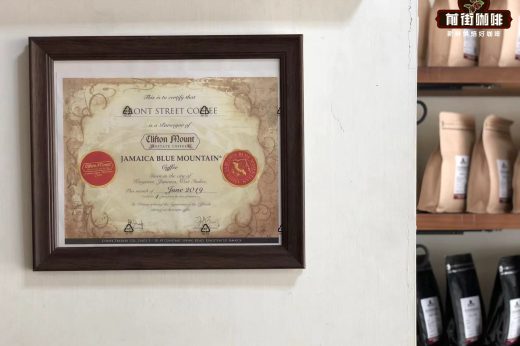
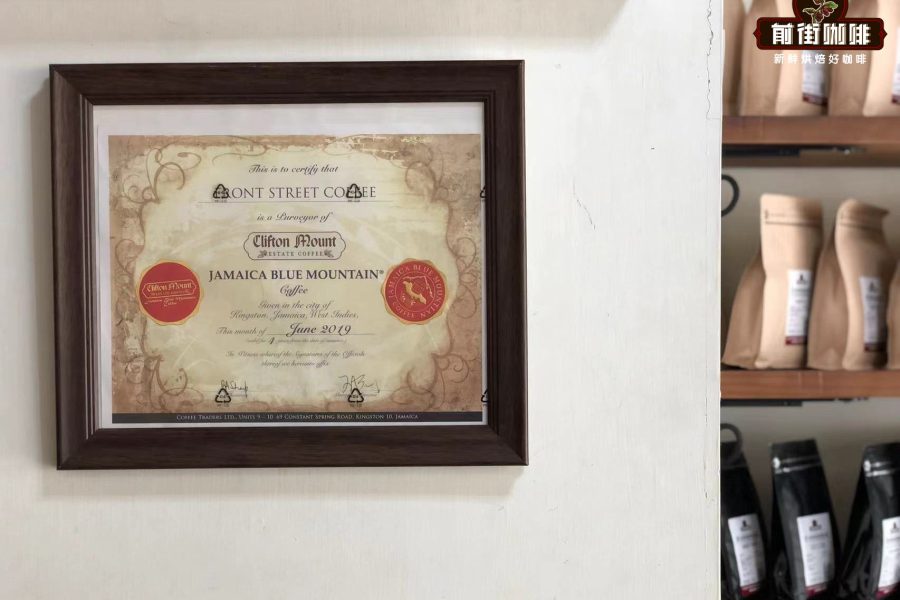
So, how expensive is this famous Blue Mountain coffee? In the past, due to scarce production, authentic Blue Mountain coffee entering the Chinese market was extremely limited, and unscrupulous merchants often passed off “Blue Mountain flavor” blends as the real thing, leaving many consumers paying high prices without ever experiencing the genuine article. However, in recent years, with growing demand in the Chinese market and the Jamaican government's strengthened brand promotion, genuine Blue Mountain coffee has gradually entered the domestic market. As long as you know how to identify it, buying authentic beans is not difficult.

To understand why Blue Mountain coffee is so unique, one must first understand its growing environment. Blue Mountain coffee is produced only in the Blue Mountain range of Jamaica at elevations above 800 meters, a height considered key to producing top-tier flavor. In fact, the higher the elevation, the brighter the acidity and the richer the sweetness, and premium Blue Mountain coffee typically comes from estates between 1,200 and 1,700 meters. For example, some estates at 1,310 meters produce particularly outstanding flavor.
The Blue Mountain range is located in eastern Jamaica, surrounded by the Caribbean Sea, with fresh, pollution-free air, a humid and misty climate, annual rainfall of nearly 2,000 mm, and temperatures stable around 27°C. Combined with mineral-rich volcanic soil, these conditions create the distinctive flavor foundation of Blue Mountain coffee—soft, clean, layered, and with a long, sweet finish.

It is worth noting that Blue Mountain coffee contains nearly half the caffeine of most coffee beans, aligning with modern trends toward healthy eating. Moreover, even if the same coffee variety were transplanted to regions with similar climates, such as Hawaii, Kenya, or Papua New Guinea, it would be difficult to replicate the unique flavor of Blue Mountain coffee. This non-replicable terroir is also an important reason for its high price.
So how much is a cup of authentic Blue Mountain coffee really worth? Based on current market conditions, imported Blue Mountain green beans cost about 1,200 RMB per pound (about 450 grams). Typically, a 45 ml cup requires 7 grams of coffee beans, so one pound of green beans can make about 50 to 60 cups. A simple calculation puts the bean cost per cup at about 20 to 24 RMB. Adding shop operation, labor, and equipment costs, a retail price of around 50 RMB is reasonable.
In the past, some domestic cafes sold so-called “Blue Mountain” at hundreds or even thousands of RMB, but these were mostly blends or counterfeit products with similar flavors. Today, even when authentic beans are available, prices remain high. However, through legitimate channels, a reliably good cup of Blue Mountain coffee can be experienced for around 60 RMB, which is quite rare.

The market offers many coffee products bearing the words “Blue Mountain,” but not all come from Jamaica. Authentic Blue Mountain coffee has limited production, with only a small global export quota each year. Historically, Japan once held 85% of the global Blue Mountain coffee quota, with the remainder going to the United States, Europe, and other regions. In recent years, with market changes, China has become one of the important consumer markets for Blue Mountain coffee, accounting for about 15% of global authentic Blue Mountain consumption.
Blue Mountain coffee is classified into three main categories by quality: Blue Mountain Coffee, Jamaica High Mountain Supreme, and Jamaica Prime Coffee. Among these, Blue Mountain Coffee and High Mountain Coffee are each further divided into two grades, with the overall ranking: Blue Mountain No. 1 > Blue Mountain No. 2 > High Mountain No. 1 > High Mountain No. 2 > Jamaica Prime Coffee. Within Blue Mountain No. 1, the NO.1 grade is the finest, and among these is an even rarer peaberry (PB), known as pearl beans, grown at elevations around 2,100 meters. These beans are round and plump with more concentrated aroma, representing the pinnacle of Blue Mountain coffee.

Blue Mountain coffee uses the Typica variety, one of the most original Arabica coffee beans, renowned for its elegant and balanced flavor but difficult to cultivate and low-yielding. Traditionally, Blue Mountain coffee is processed only by the washed method, through careful pulping, fermentation, washing, and drying to preserve its natural purity of flavor. However, to meet diverse market demands, a small amount of sun-dried Blue Mountain coffee certified by the Jamaican government is now available, offering richer fruit notes and fermentation layers.

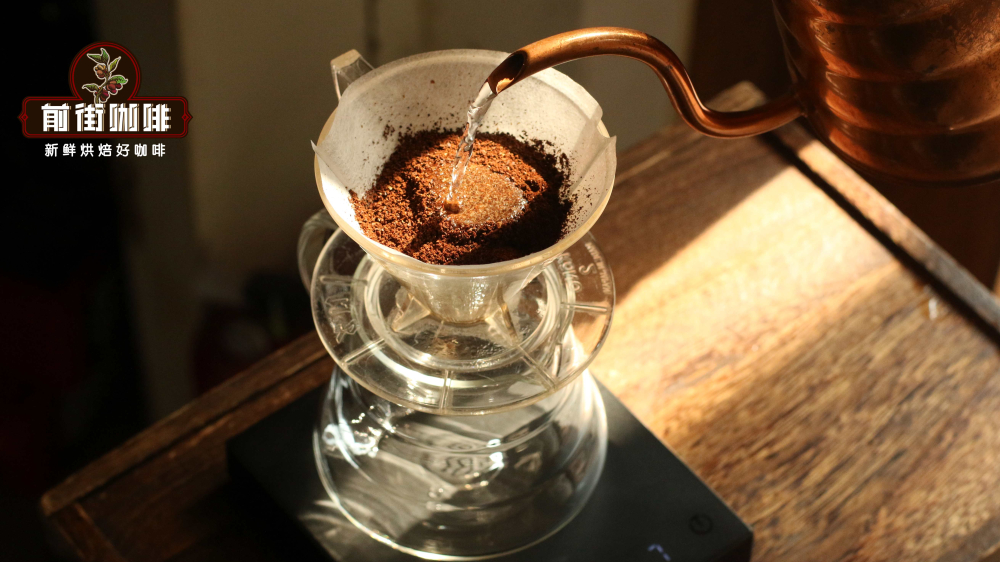
If you want to brew Blue Mountain coffee at home or in a cafe, here is a set of professional pour-over parameters to reproduce its classic flavor profile:
- Dripper: Kono dripper (helps even extraction and balanced flow rate)
- Water temperature: 88°C (slightly lower temperature helps highlight sweetness and reduce sharp acidity)
- Dose: 15 grams
- Brew ratio: 1:15 (total water about 225 ml)
- Grind: Medium (about 75% passing a No. 20 standard sieve, similar to fine sugar texture)
Recommended brewing technique: three-stage extraction
- First, pour 30 grams of water and let it bloom for 30 seconds to awaken the coffee grounds;
- Then, pour in a slow circular motion until 125 grams, completing the first stage;
- When the water level is about to expose the coffee bed, continue pouring until 225 grams and stop;
- Wait for the coffee to finish dripping; the whole process takes about 2 minutes.
In terms of flavor, washed Blue Mountain typically exhibits a rich base of dark chocolate and nuts, with a creamy, silky mouthfeel and excellent balance of acidity, sweetness, and bitterness; while sun-dried Blue Mountain may have slight berry acidity, such as notes of smoked plum and mulberry, along with more pronounced fermentation and a chocolate-nut finish.



Finally, to achieve the best flavor experience, we recommend choosing freshly roasted Blue Mountain coffee beans. Generally, beans are most vibrant within 5 days of roasting, and the optimal drinking period is usually after a 4- to 7-day resting period post-roast. Whether you grind your own or buy whole beans, maintaining freshness is key to presenting its multi-layered flavor.