Yirgacheffe Pour-Over Parameters and Staged Extraction Guide: Tips to Enhance Flavor Layers
Introduction: Want to brew a Yirgacheffe known for its floral and fruity aromas? Only by mastering a scientific coffee-to-water ratio, pouring rhythm, and grind size can you unlock its fresh citrus and berry notes. This article details the optimal brewing parameters for medium-light roasted Yirgacheffe, from dripper selection to the hands-on steps of three-stage pouring, guiding you to precisely control the extraction process, avoid the bitterness caused by common mistakes such as water that is too hot or a grind that is too fine, and easily brew a coffee with distinct floral and fruity flavor layers.
Ethiopia's Yirgacheffe region, with its altitude of over 2,000 meters and pronounced day-night temperature difference, provides ideal growing conditions for coffee trees, and the coffee produced often carries unique floral aromas and bright fruit acidity. The area initially used natural (dry) processing, but due to technical limitations, coffee quality varied. Later, the washed process was introduced, removing defective beans through multiple steps, which not only significantly reduced the defect rate but also highlighted the coffee's own cleanliness and clear citrus and lemon-like aromas, making this bean's flavor expression more transparent.
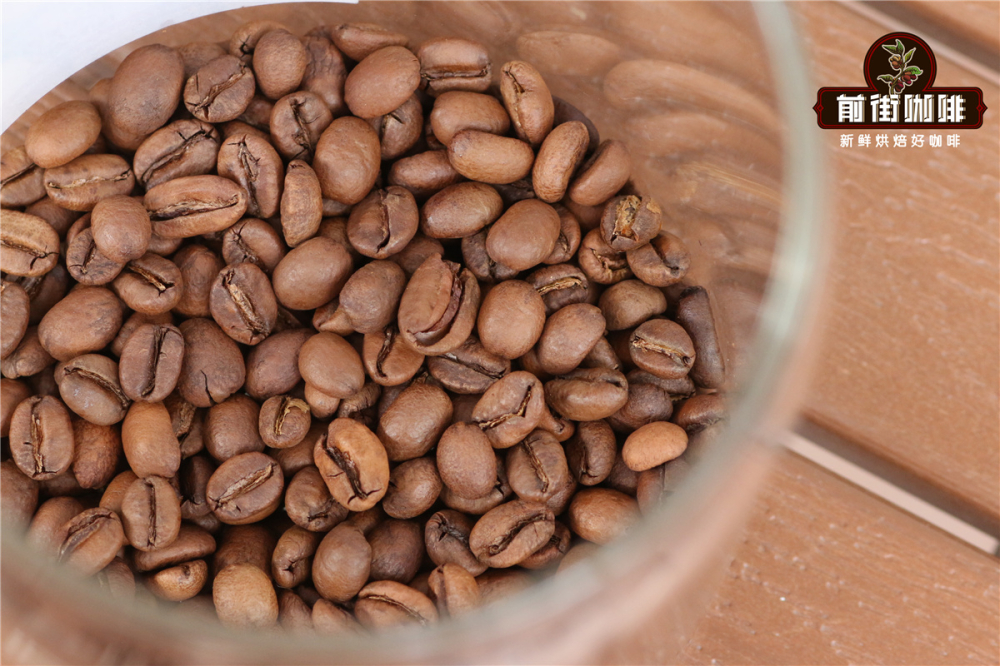
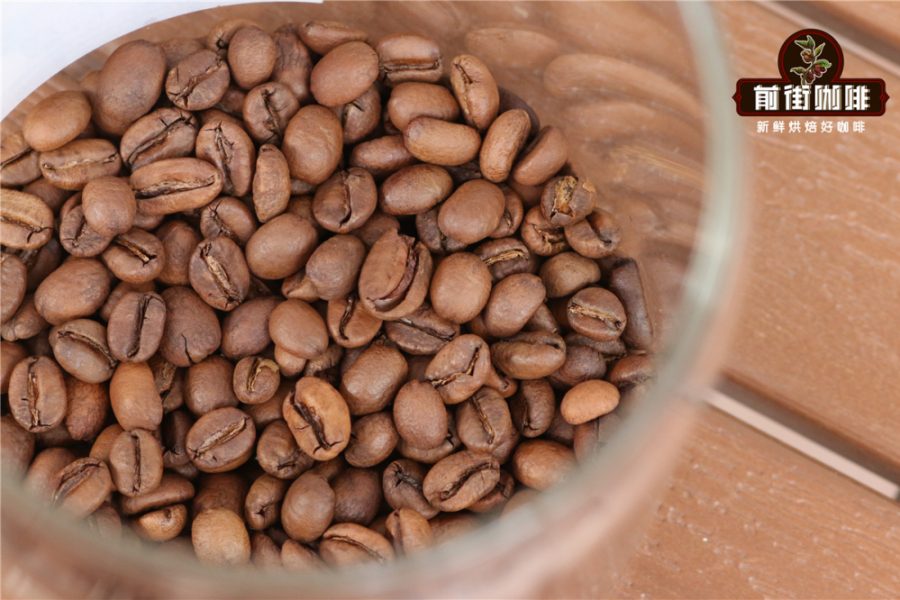
The Yirgacheffe region is a wetland environment, where the washed processing method has more advantages; during processing it can effectively improve the coffee's purity and make its flavor layers more distinct. At the same time, the coffee beans grown in this area are rather small; deep roasting can easily cause uneven heating or even scorching, so most roasters choose medium-light roasting. This roasting method not only preserves the coffee beans' lively acidity but also further amplifies their signature fruit flavors, meeting most consumers' preference for sweetness and low bitterness, and is also an important reason this variety is popular worldwide.
To brew this distinctive Yirgacheffe well, proper equipment preparation and parameter settings are the foundation. You need a pour-over kettle, dripper, server, grinder, filter paper, digital scale, and thermometer, as well as Yirgacheffe coffee beans at their best within the drinking window. Among these, the choice of grinder is especially critical; the coarseness and uniformity of the coffee grounds directly affect the extraction result. Grinders on the market are mainly divided into hand-cranked and electric types. For medium-light roasted coffee beans, it is usually recommended to grind to a coarseness at which 80% passes a No. 20 0.85mm standard sieve (i.e., about 75–80% passing rate); this particle size ensures full extraction of aromatic substances while avoiding the bitterness brought by over-extraction. If using a specific grinder model (for example, the common EK43s), the setting can be adjusted to around 10.

Water temperature is likewise a key factor affecting extraction. Generally speaking, the higher the water temperature, the higher the coffee extraction efficiency, but excessively high temperatures (close to boiling) easily dissolve unpleasant bitter substances. For medium-dark roasted coffee beans, it is recommended to keep the water temperature at 87–90°C; while for lightly roasted beans like Yirgacheffe, a slightly higher water temperature (91–93°C) is needed to bring out their floral and fruity aromas. Note that the actual temperature of the water stream poured onto the coffee grounds is the effective water temperature; if the ambient temperature is low, the set temperature can be appropriately raised by 1–2°C to compensate for the water temperature dropping during brewing.
The choice of dripper also affects the final taste of the coffee. Among common resin drippers, the V60, due to its unique design, is better suited to flavor-oriented medium-light roasted coffee beans. Its cone has ribs extending from the top to the bottom and a large central hole, which speeds up the water flow; at the same time, the spiral-shaped exhaust grooves lengthen the water path and increase the contact time between coffee grounds and hot water, making the extraction more thorough and the brewed coffee richer in layers. Therefore, when brewing Yirgacheffe, the V60 dripper is the preferred choice.
For beginners, three-stage pouring is an easy-to-master brewing method that effectively enhances flavor layers. Taking 15 grams of coffee grounds and a 1:15 coffee-to-water ratio (total water 225ml) as an example, it is recommended to divide the pouring into three stages: the first stage 30ml for blooming, the second stage 95ml, and the third stage 100ml; the total weight checkpoints shown on the digital scale are 30g, 125g, and 225g in sequence. This staged approach gives the water enough time to rinse the coffee bed and fully dissolve flavor substances, while avoiding over-extraction caused by prolonged soaking.
In practice, first fold the filter paper, place it in the dripper and fit it snugly, rinse the filter paper with hot water so it adheres closely to the dripper, and prepare hot water and a thermometer. Pour 15 grams of ground coffee into the dripper, tare the digital scale, and start timing. For the first stage, pour 30g of water to bloom; it is recommended to use a small stream, starting from the center and circling outward, to ensure the entire coffee bed is moistened, lasting 30 seconds.
After the bloom ends, proceed to the second stage of pouring. At this point switch to a slightly larger stream and steadily pour 95g of water, with the aim of raising the coffee bed and promoting even extraction. Keep the water column vertical and even while pouring, avoiding direct impact on the edge of the dripper; this stage is completed in about 55 seconds, with the digital scale showing 125g.
When the liquid level drops to about half, begin the third stage of pouring. It is recommended to use a small stream and circle in a small radius to pour 100g of water, keeping the water flow range from becoming too large, otherwise it easily scatters the coffee bed and leads to under-extraction. The entire pouring process should be completed in about 2 minutes; after the total water reaches 225g, remove the dripper, gently swirl the server to mix the coffee liquid evenly, and it is ready to taste.
Note that the coffee-to-water ratio, the amount of water in each stage, and the pouring technique in pour-over coffee are not set in stone. Based on personal experience and understanding of the coffee beans' characteristics, the parameters can be adjusted flexibly. Brewing is essentially a practical process based on scientific principles; only by deeply understanding the actual meaning of each parameter can you gradually build a brewing system that suits you and brew a Yirgacheffe with balanced flavor and rich layers.