Yirgacheffe Gotiti Washed: Flavor Guide and Pour-Over & Ice Brew Recipes

Introduction: An in-depth exploration of the distinctive character of Gotiti coffee beans, a landmark washed cooperative in Ethiopia's Yirgacheffe region. This article systematically reviews the region's historical background, from administrative boundary changes to coffee grading certification, explains in detail how high-altitude heirloom varieties and the washed process shape the signature citrus notes, and provides precise pour-over and ice-drip parameter plans to help you fully present this classic bean's bright acidity and floral-fruity finish.
 Although Yirgacheffe is a small town under Ethiopia's Sidama Province, it is world-famous for producing coffee beans with transparent acidity and layered floral aromas. Its flavor profile breaks the traditional heavy impression of coffee, featuring the vivid acidity of citrus fruits, white-flower aromas, honey sweetness and a tea-like finish, which particularly suits Asian consumers' preferences.
 The region's excellent coffee quality stems from three core factors: the high-mountain environment at 1900-2300 meters, which slows fruit ripening and accumulates flavor compounds; the local unique mixed heirloom (Heirloom) gene pool; and the washed processing method inherited from 1972 technology improved in Central and South America. Together these factors create its distinctive flavor identity.
 It is worth noting that after Ethiopia's 1995 administrative reorganization, Yirgacheffe was placed under the Gedeo Zone (GEDEO), but the region name still uses its historical designation. The Yigacheffe A/B grading system introduced by the Ethiopian Commodity Exchange in 2009 means that coffee not from the Yirgacheffe geographical region may circulate under this name, so buyers should pay attention to specific cooperative information.
 The Yirgacheffe region currently brings together several well-known processing stations, including Kochere and Gotiti. Traders usually use a "Yirgacheffe + cooperative" naming rule to trace origin, similar to the region + specialty name combination used for domestic commercial beans, such as the Sidama Huakui series.
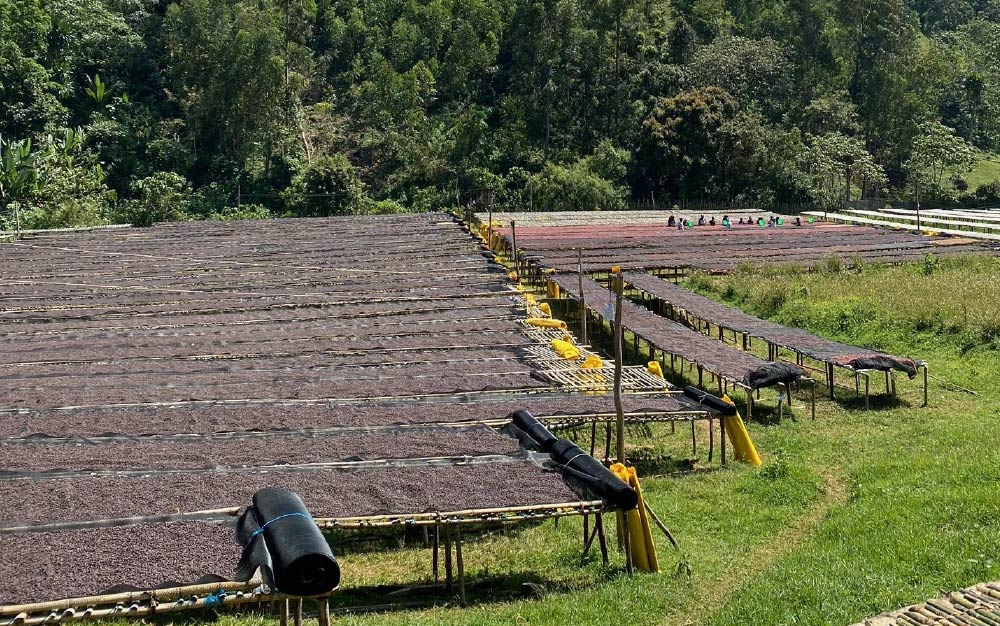
 As a center of coffee genetic diversity, Ethiopia's farmers generally grow mixed heirloom varieties that are not finely classified, and uneven fruit size is normal. The region relies on traditional washed and natural processing methods: the washed process requires building a running-water circulation system, removing pectin through fermentation and then rinsing with clean water, creating a pure and bright acidity structure; the natural method retains complete fruit sugar conversion, presenting rounder sweetness and fermented aromas.
 The Gotiti cooperative is a representative case of washed beans from the Yirgacheffe region, and its parameters reflect typical high-altitude processing characteristics:
• Origin: Yirgacheffe, Gedeo Zone
• Altitude: 1900-2300 meters
• Variety: Heirloom mixed varieties
• Process: Traditional washed
• Roast level: Medium-light (recommended to drop before the dense stage of first crack)
 A professional pour-over plan recommends 90-91°C water temperature with a fine-sugar grind of 80% passing a Chinese standard No. 20 sieve (about 10-11 on the grinder). Three-stage pouring process:
1. First stage: 30g water, bloom for 30 seconds to activate degassing
2. Second stage: 95g water poured at the center until the bed drops by 1/2
3. Third stage: 100g water poured in circles until full
Maintain a small flow throughout to avoid channeling, with total extraction time controlled at 2 minutes 10 seconds ±10 seconds.
 The flavor shows a clear progressive layering: the grinding stage releases a combined jasmine and citrus fragrance; the entry leads with bright lemon acidity accompanied by sugarcane sweetness; in the medium-temperature range it transforms into a fresh green-tea-like finish, with the aftertaste lasting about 3-5 minutes. Compared with the natural process, the washed version is cleaner with a sharper sweet-sour balance.
 The advanced ice pour-over plan uses a dynamic extraction strategy: 15g of grounds with 160g hot water and 75g ice (coffee-to-water ratio 1:11), with the key parameters being a high starting temperature of 91-93°C combined with staged stirring. Execution:
① Pre-place ice in the server and add the coffee grounds
② First stage: 30g water, 30-second bloom
③ Middle stage: pour 90g hot water in a large flow while stirring 5 circles in one direction
④ Final stage: 45g water to finish, maintaining a small flow
Total time 1 minute 55 seconds to 2 minutes 05 seconds, using physical agitation to improve aromatic extraction efficiency.
 The final flavor of this plan: the front bursts with the sweet-sour tropical fruit of yellow peach and pomelo, the middle reveals stone-fruit layers, and after chilling it forms a clear mouthfeel like cold-brewed tea. The stirring step can increase the release of floral and fruity aromatics by about 18%-22%, significantly enhancing overall flavor fullness.
 Notes:
- Washed beans should be stored sealed and away from light at 10-15°C
- For pour-over gear, V60 or cone filter cups are recommended to enhance degassing
- For ice brewing, use a pre-chilled server to maintain a low-temperature environment
- In areas of different altitude, adjust water temperature parameters slightly according to the actual boiling point