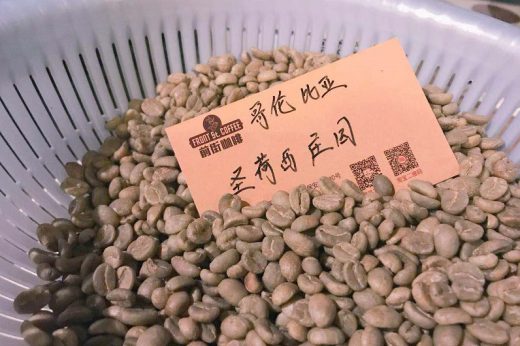
Colombia Huila Coffee Bean Review: Acidity-Bitterness Balance and Pour-Over Guide
Introduction: Colombia's Huila region, with its volcanic soil, produces coffee beans with a distinctive flavor profile that combines the richness of nuts and chocolate with bright fruit acidity. This article explains the region's geographical advantages, traditional washed processing, and pour-over extraction methods for medium-dark roasted beans, guiding you through the quality secrets and flavor layers behind its 18% share of national production.
Colombia, stretching across the Andes, has diverse microclimate zones, and the southern volcanic region has become a core specialty coffee area thanks to its unique terroir. Among these, the Huila region, with its consistent quality, has frequently made its mark in global coffee competitions in recent years; its production accounts for about 18% of the national total, and it officially received origin certification in 2013.

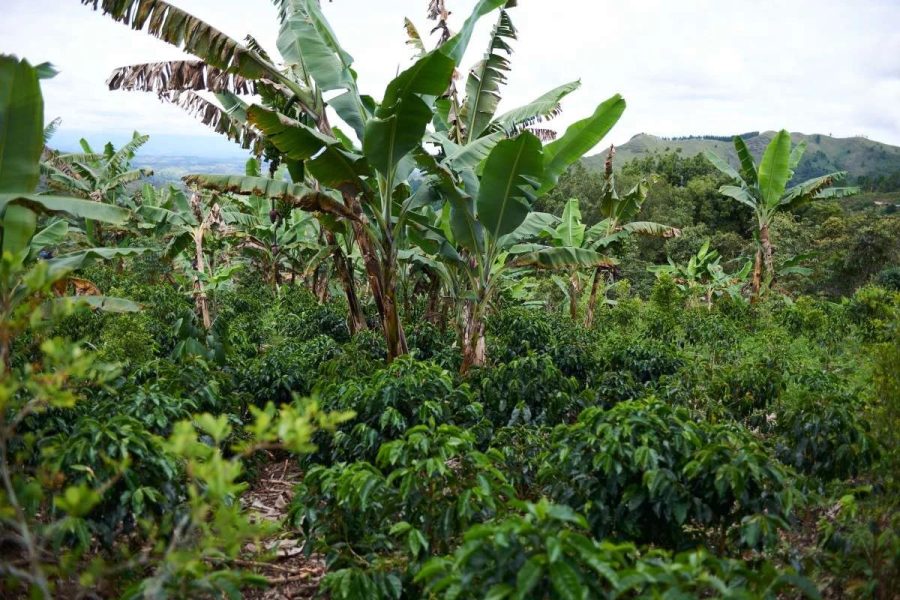
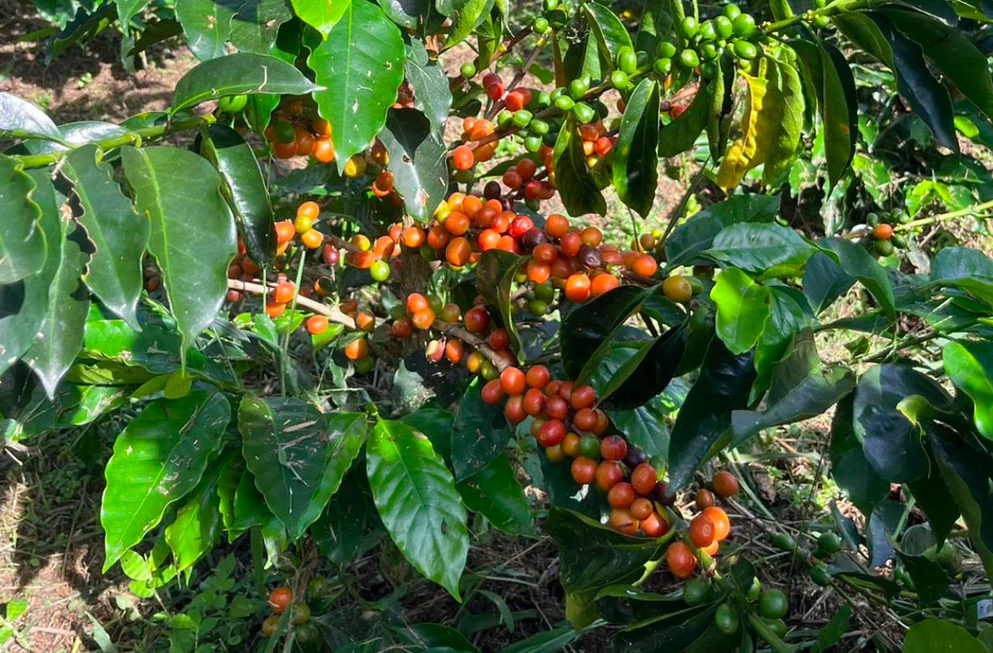
The region is located on the southern slopes of the Central Cordillera, adjacent to an active volcanic belt, and the soil formed from volcanic ash deposits is rich in mineral elements such as potassium and phosphorus. The interwoven hilly terrain at elevations of 1,500-2,000 meters, together with year-round rainfall of 2,000-3,000 millimeters and stable day-night temperature differences, provides an ideal environment for coffee tree growth. The smallholder-dominated cultivation model (average plot size only 1.5 hectares) ensures meticulous management, and after the fruit ripens it is hand-picked cherry by cherry, securing the quality foundation of the raw material.

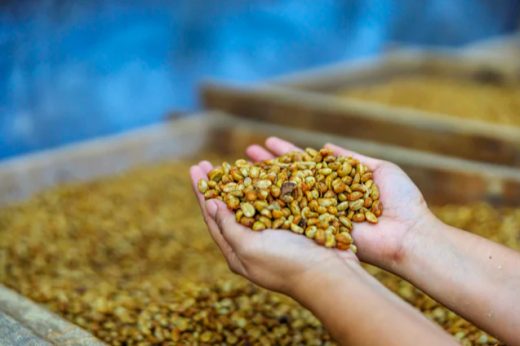
The traditional washed processing method is widely used locally: after manual sorting of ripe red cherries, the mucilage is removed the same day and the beans enter a temperature-controlled fermentation process of 28-40 hours. After fermentation, the parchment coffee is rinsed multiple times with clean water, then spread out to dry in the shade for 12-20 days until the moisture content drops to 11-12%. This process effectively removes impurities while fully preserving floral and fruity flavor compounds, creating the signature clean acidity and rich finish of Huila coffee.

The widely cultivated Caturra variety originated as a natural mutation of Bourbon; the plant is about 30% shorter than the original species, but higher branch density brings greater yield. Its flavor tends toward bright citrus notes, and after medium-dark roasting it gradually reveals complex aromas of caramel and dark chocolate. Given this variety's characteristics, medium-dark roasting (Agtron value 55-60) can both highlight the nutty base and balance the sweet-acid ratio, creating a richly layered taste experience.

Professional cupping shows that washed Huila beans, within their optimal drinking window, present the following characteristics: dry aroma dominated by roasted almonds and caramel, wet aroma with a faint red wine note; the initial sip brings the sweetness of dark chocolate and maple syrup, the mid-palate reveals red cherry acidity, and the finish lingers with sweetness and a woody nuance. It is recommended to store the beans in bags with a one-way degassing valve; after more than 30 days of exposure to air, the aromatic compounds will noticeably fade.

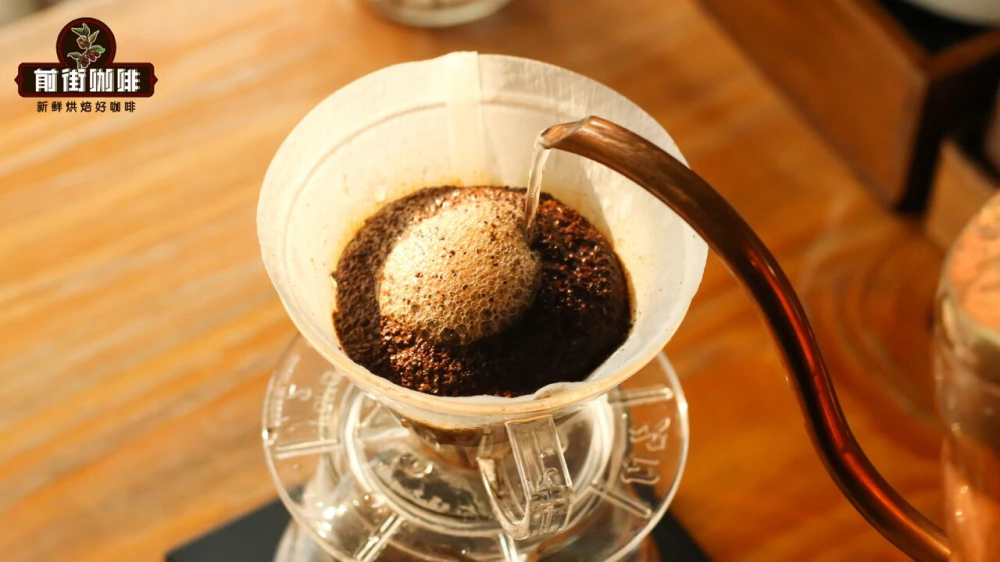
The actual brewing test used a KONO dripper (with the rib structure concentrated in the lower 1/4 area), paired with a medium-fine grind (similar to fine granulated sugar) at 75% passing through a No. 20 sieve. Parameters were set as follows: 90±1°C water temperature, 1:15 coffee-to-water ratio (15 grams of coffee to 225 milliliters of water), and a three-stage pouring method—the first stage pours twice the coffee weight in water (about 30 milliliters) for a 30-second bloom, then pours in two stages to 125 milliliters and 225 milliliters, with total extraction time kept within 2 minutes 10 seconds. This approach effectively reduces the risk of over-extraction with medium-dark roasted beans, highlighting the rich body while preserving clear acidity.

Notes include: ① Use freshly roasted beans (ideally 7-21 days from the roast date to the brew date); ② water hardness should not exceed 150mg/L; filtered or mineral water is recommended; ③ fully preheat the equipment to above 50°C before brewing; ④ complete extraction within 15 minutes after grinding to avoid loss of aroma. For those who prefer a lighter body, the water temperature can be raised to 92°C and the bloom time extended to 45 seconds.
The finished coffee presents as follows: the first sip brings rich caramel sweetness and dark chocolate flavor, accompanied by a moderate almond-nut note; as the temperature drops to 50-60°C, citric and berry-like acidity gradually emerge, the overall mouthfeel is clean with no astringency, and a lasting brown-sugar sweetness remains in the throat. Compared with the sharp acidity of light roasts, this balanced style is better suited for coffee beginners building their sensory vocabulary.