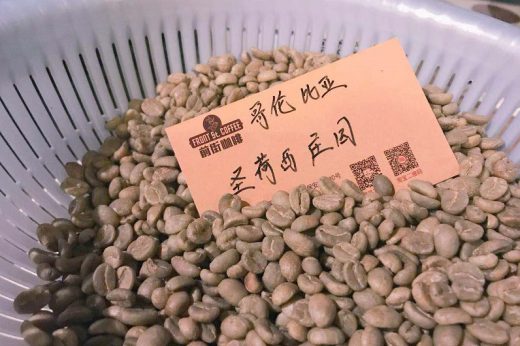
Colombia Huila Washed Beans Review: Medium-Dark Roast Pour-Over Parameters and Flavor Guide
Introduction: An in-depth analysis of the unique appeal of washed coffee beans from Colombia's Huila region, from the growing environment of the Andes Mountains to the medium-dark roasting process, with a full explanation of this classic bean's 18-22 day golden peak flavor window. Professional-grade grind size, water temperature, and coffee-to-water ratio parameters are provided, paired with a three-stage extraction technique to unlock layered flavors beneath a nutty-chocolate base.
 As the world's fifth-largest coffee producer, Colombia, with its 875,000 hectares of cultivation and consistent quality output, is an important pillar of the specialty coffee market. The country's average annual coffee exports have long ranked among the top three in the world, and the washed beans from the Huila Department are especially prized for their balanced sweet-tart ratio and full finish.
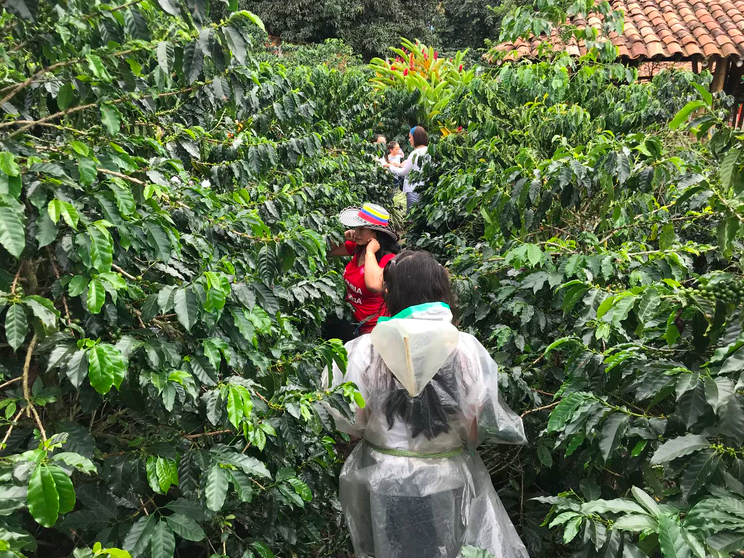
 The region's advantage stems from exceptional geographical conditions: on the eastern slopes of the Andes at an altitude of 1,500-2,300 meters, a microclimate with a diurnal temperature difference of 8-12°C, together with potassium- and phosphorus-rich volcanic soil, encourages the coffee fruit to accumulate sugars slowly. The local shade-growing system (common shade tree species include cinchona and banana) further prolongs the ripening cycle, raising bean density to above 0.85g/cm³.
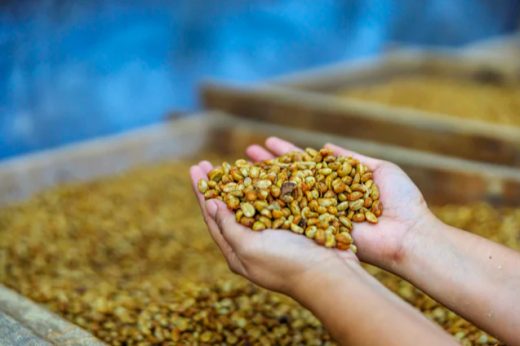
 The standardized system established by the National Federation of Coffee Growers of Colombia (FNC) ensures consistent quality, with coffee farmers in 590 municipalities nationwide completing washed processing through community processing stations. A typical processing flow includes: 24 hours of resting the parchment coffee → 36 hours of mucilage fermentation → multiple rinses with mountain spring water → drying on African raised beds to a moisture content of 11±1%, with the entire process strictly completed within 12-15 days.
 The southern producing regions (including Huila and Cauca) are known for micro-lots at altitudes of 1,600 meters+, mainly growing Caturra (62%), Bourbon (28%), and a small amount of Pacamara. These varieties show their best flavor window at the medium-dark roast (Agtron 55-65) stage: large-screen green beans selected at 19-21 mesh (SC17/18 grade), after roasting at a drum temperature of 220-230°C, develop signature dark chocolate and roasted almond notes.
 The export grading system shows that the Excelso grade requires more than 50% of beans to be ≥15 mesh with a defect count of ≤24 points; in actual trade, blends of Supremo (17-18 mesh) and UGQ (15-16 mesh) are common. Professional roasters recommend: for pour-over, use a medium-coarse grind with a 75% pass rate through a No. 20 sieve (particle size 0.85-1.0mm), with a water temperature of 90±1°C to avoid over-extraction.
 A tested and effective brewing scheme uses the KONO dripper's pressure extraction technique: the first stage pours 50ml × 30 seconds to bloom and activate, followed by a spiral pouring method in two stages (125ml@1'10" / 225ml@1'40"), with total time controlled at 2'10"±10 seconds. Under these parameters, caramelization reaction products (such as furan compounds) are highlighted while tannic acid extraction is suppressed.
 The flavor expression shows three-stage characteristics as temperature changes: at 88-75°C, nutty notes dominate (hazelnut accounts for 38%); at 75-65°C, dark chocolate cocoa esters emerge; and the finish lasts more than 2 minutes 30 seconds with a brown sugar sweetness. Drinking from a glazed coarse ceramic cup is recommended to balance the cooling rate; the best tasting period is days 7-14 after roasting.
 It is worth noting that this bean is sensitive to storage conditions—foil bag + one-way valve packaging can maintain freshness for 45-60 days, and after opening it should be stored away from light below 20°C. Professionals recommend starting to pour within 2 minutes of grinding to avoid carbon dioxide release affecting extraction uniformity.
 Advanced enthusiasts can try adjusting parameters: increase grind fineness to a 68% pass rate through a No. 20 sieve and lower the water temperature to 88°C to enhance citrus flavor layers; if you prefer a fuller body, adjust the coffee-to-water ratio to 1:14 and extend the bloom time to 45 seconds. Whichever approach you choose, maintaining pouring stability and consistency in water-powder contact time is key.
 The final flavor matrix includes: primary attributes (nut/chocolate, intensity 7/10), secondary attributes (caramel/blackberry, intensity 5/10), and finish attributes (smoky/brown sugar, intensity 4/10). This classic blend bean is especially suitable as a daily staple bean or espresso base; its stable performance can effectively calibrate the extraction state of coffee equipment.