Brazilian Arabica Coffee Flavor Profile and Pour-Over Guide
Introduction: Brazil is the world's largest Arabica coffee-producing region, and its coffees are known for nutty and chocolate notes with low acidity and a full body. This article details the terroir of Brazil's main producing regions, classic processing methods, and how to bring out the best flavor layers through precise pour-over parameters (such as 87-88°C water temperature and a 1:15 coffee-to-water ratio), offering a complete reference from choosing a region to brewing in practice.
Thanks to its exceptional geographical conditions, Brazil has held the top spot in global coffee exports for over a century. Whether on a specialty coffee shop's single-origin menu or in a commercial blend recipe, Brazilian beans are an indispensable base. Their signature nutty, chocolatey, low-acid, full-bodied character makes them the go-to entry point for coffee lovers. This article takes a deep look at Brazil's core producing regions, processing techniques, and home brewing solutions.

Brazil's coffee-growing history began in the 18th century. According to historical records, a Portuguese military officer brought coffee seeds back from French Guiana, and these seeds spread rapidly in São Paulo state. By 1845, Brazil's coffee output already accounted for 45% of the world total, becoming the backbone of the country's economy. Today coffee is grown in more than 14 states nationwide, with 7 main producing regions accounting for nearly 90% of output.

Minas Gerais in the southeast contributes nearly half of the national output and has four important sub-regions: the flat terrain of Cerrado is suited to mechanized harvesting, and large farms are common there; while Sul de Minas, Chapada de Minas, and Matas de Minas are dominated by smallholder manual production. The Mogiana region in São Paulo state sits at 900-1100 meters above sea level; the coffee railway built in 1883 drove the region's development, and its hilly terrain gives the coffee bright sweetness and balance.

Brazil's coffee processing methods are distinctive. The long local dry season makes the region suited to natural processing, but the traditional method easily picks up earthy flavors. The pulped natural method (mucilage sun-dried) developed in the 1990s became mainstream: first unripe cherries are removed, the skin and pulp are removed, then a brief washing retains some mucilage before drying. This method balances efficiency and quality, saving water and reducing labor costs. High-end lots use small-batch natural processing, drying slowly on African raised beds to avoid off-flavors.

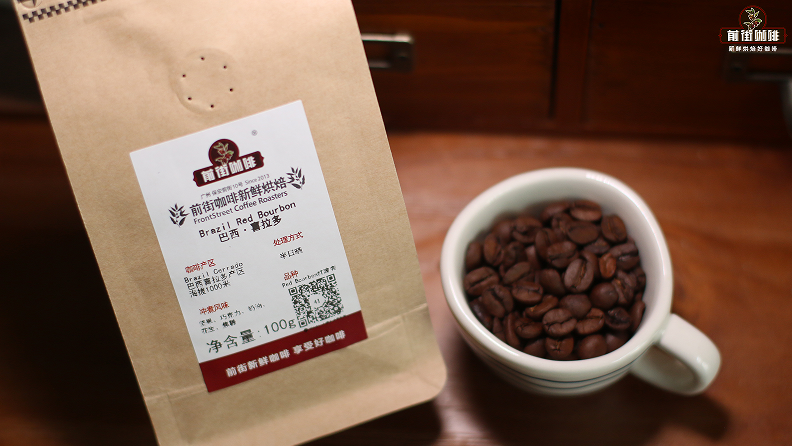
Brazil's grading system is extremely strict, with label information including defect rate (e.g., NY.2 means very low defects), cup grade (FC for fine cup), bean screen size (17-18 screen is preferred), and other parameters. For example, a bag marked "Brazil NY.2 SC – 17/18 FC Cerrado" means a high-quality natural bean from Cerrado with a very low defect rate.

In terms of flavor, Brazilian beans are built around nut, cocoa, caramel, and toasted bread aromas, with soft acidity. A medium-dark roast (around the start of second crack) reinforces these traits; for pour-over, use 87-88°C water, a coarse grind with 70% passing a Chinese standard No. 20 sieve, and a 1:15 coffee-to-water ratio. The KONO dripper's distinctive rib design extends extraction time and enhances body.

Practical parameter example: take 15 grams of ground coffee, pour 30 milliliters of water for a 30-second bloom; in the second stage, pour in a thin stream in circles to 125 milliliters, and when the liquid level drops to the middle of the dripper, continue pouring to 225 milliliters; complete extraction in about 2 minutes total. Avoid over-extraction that causes bitterness; fine-tune by lowering the water temperature or coarsening the grind.

Flavor changes noticeably with temperature: at high temperatures caramel and dark chocolate notes stand out, and as it cools the nut and caramel sweetness become clearer, with a clean, balanced finish. This method suits most home pour-over equipment; adjust pouring speed and stage proportions slightly according to your actual equipment's characteristics.