Brazilian Coffee Beans: Cocoa-Nut Espresso Blends and Extraction Guide

Introduction: As the world's largest coffee producer, Brazil is known for its stable quality, low acidity, and rich cocoa-nut notes, making its beans a frequent choice in espresso recipes. This article introduces several representative Brazilian espresso blends, analyzes their flavor profiles and suitable applications, and provides professional espresso extraction parameters to help you easily make a rich, smooth espresso at home.
Brazilian coffee is known in the global market for high yield, consistency, and value for money. Although its flavor is not as strikingly distinctive as some origins, its low acidity, full body, and unique cocoa and nut aromas make it an indispensable base in espresso. These flavor characteristics make it very suitable as part of a blend, not only effectively controlling costs but also giving the coffee a full body and silky finish.
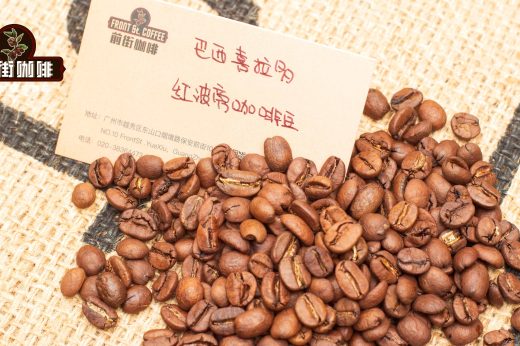
Among the many Brazilian espresso blends, several are favored by coffee enthusiasts and home users for their balanced flavor and good adaptability. They usually display complex aromas of cocoa, nuts, toasted bread, and even dark chocolate, making them very suitable for milk coffees such as lattes and cappuccinos, and also suitable for users who prefer a full-bodied taste to try as straight espresso.
First, a common blend that builds on the classic combination of Mandheling and Brazil, with a moderate addition of Robusta to enhance crema and overall body. Such blends usually have a fuller body, are suitable for making lattes at home, and can produce clear latte art. Its flavor keywords include chocolate, nuts, and a slight caramel sweetness, suitable for users seeking a rich but not sour or astringent taste.
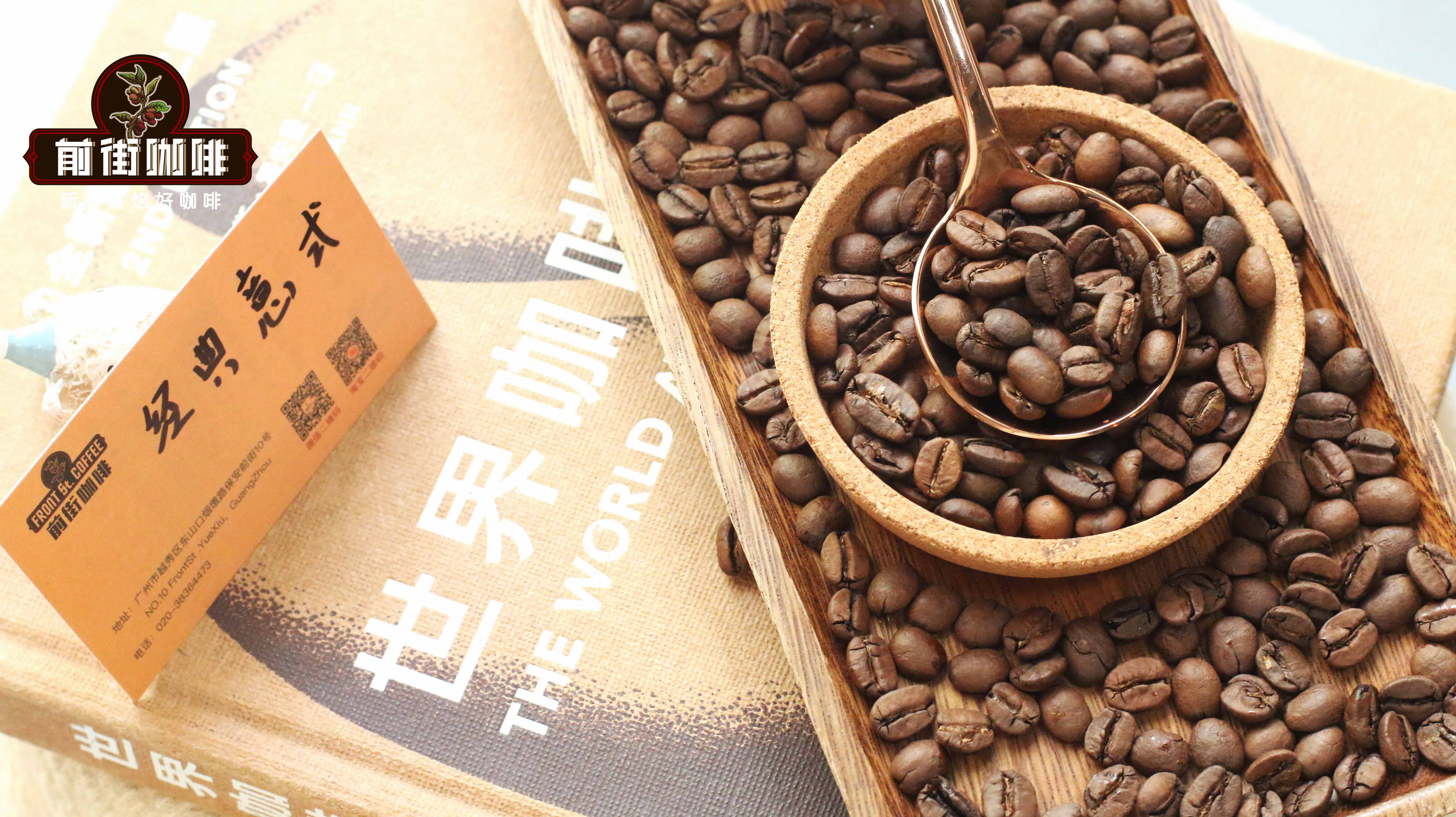
Another popular commercial-grade blend is known for its mellow, easy-drinking Americano performance. Americanos made with this blend often carry warm notes of dark cocoa and toasted bread, with a soft entry and clear layers. When used for lattes, it integrates well with milk, presenting a creamy texture and a long finish. In addition, this blend is relatively affordable, making it a cost-effective choice for daily home drinking.
Another blend focuses on the fusion of nuts and chocolate, combining Brazilian beans with Colombian beans; the flavors of the two complement each other, enhancing overall complexity and harmony. The espresso extracted from this blend is often described as having aromas of cream cookies, roasted nuts, and cocoa, with low acidity and excellent balance, particularly suitable for consumers who dislike sourness and prefer a full-bodied taste; it performs well in both Americanos and lattes.
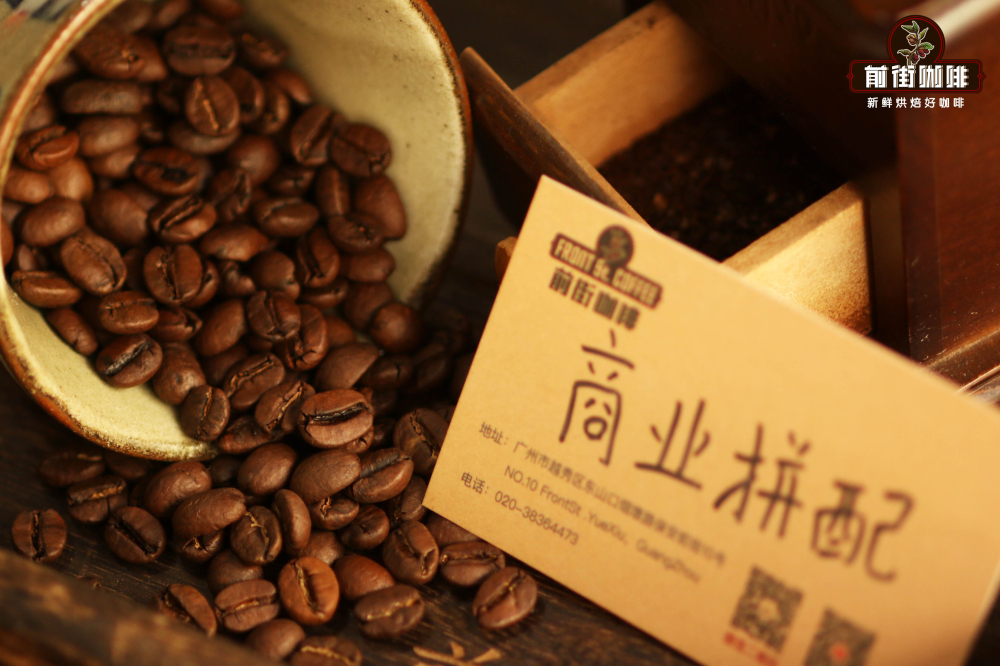

For beginners new to espresso, choosing a blend that balances value and flavor performance is especially important. Some blends are designed specifically for entry-level users, with slight fruit acidity and pronounced caramel sweetness, combined with nut and dark chocolate flavors, offering a smooth texture and moderate viscosity. These beans are not only easy to accept in flavor but also relatively affordable, making them a common choice for home users and small coffee shops.
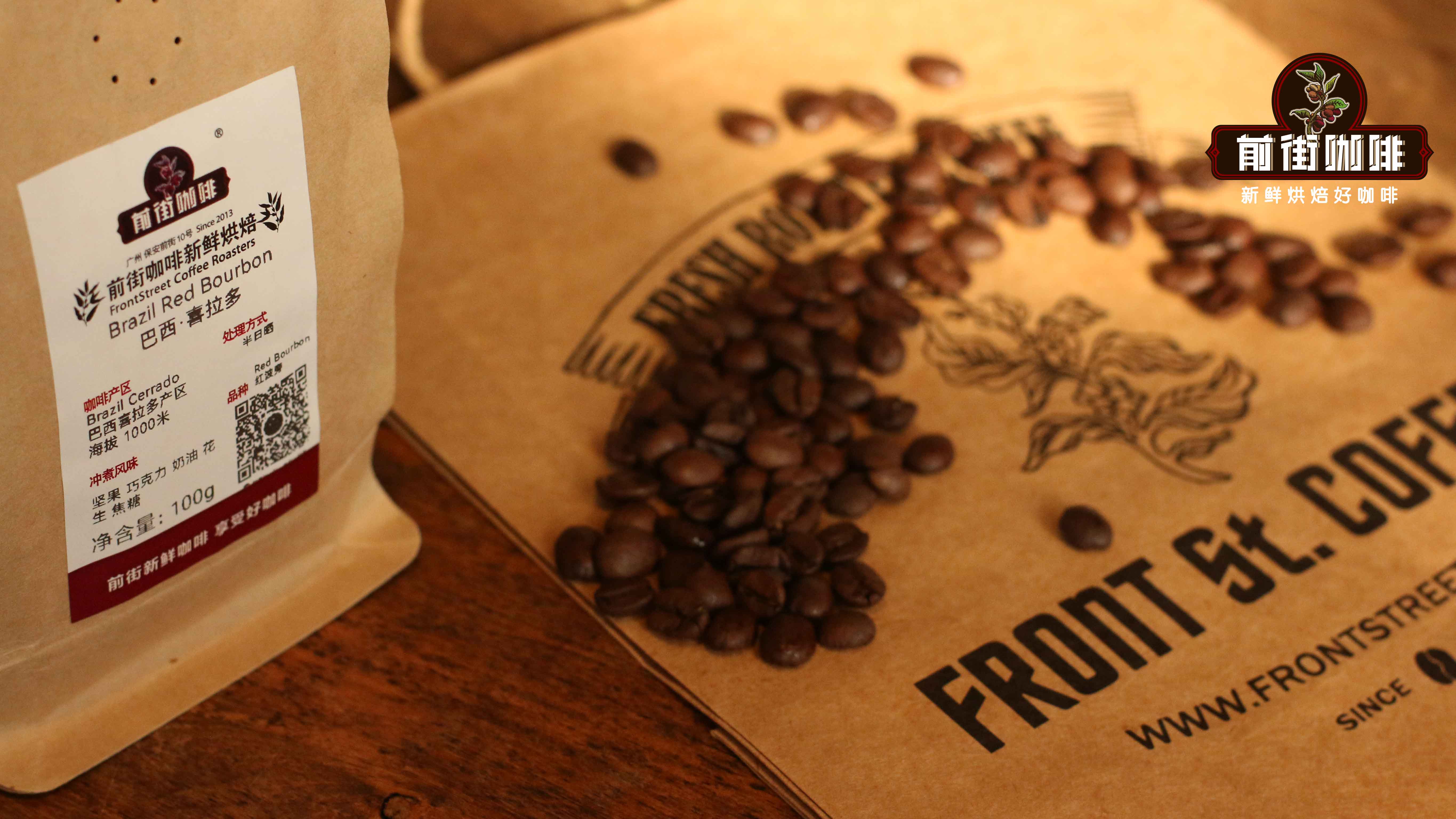
It is worth mentioning that Brazil's coffee quality grading system is quite comprehensive. Export jute bags often bear a combination of letters and numbers, such as "CERRADO NY-2 SC-17/18 SS FC"; these codes actually reflect information such as origin, defect rate, bean size, cupping score, and sensory grade. These grading standards are set by Brazil's Ministry of Agriculture, Livestock, and Supply, providing a scientific basis for coffee purchasing and quality control.

Brazil has 26 states, 17 of which are major coffee-producing regions. With the rise of the specialty coffee concept, origin information has become more transparent and detailed, and many regions are further divided into sub-regions with more distinctive terroir. For example, Mogiana (MOGIANA), Sul de Minas (SUL DE MINAS), and Cerrado (CERRADO) are well-known regions with stable quality, and these names sometimes appear on coffee packaging. In addition, some beans also indicate the export port, such as the famous SANTOS coffee, which is shipped from the Port of Santos in Brazil.
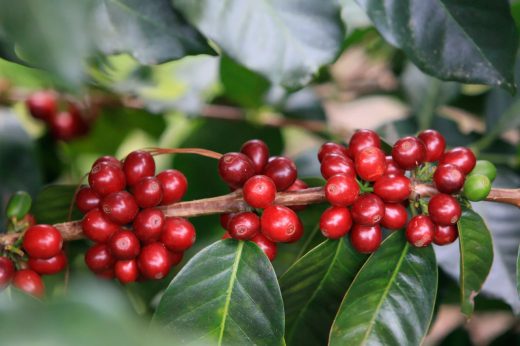
Brazilian coffee cultivation is mainly concentrated in the highlands of the south-central region, at an altitude of about 1,000 meters, where the terrain is relatively flat and suitable for large-scale mechanized planting and harvesting. This highly industrialized production method makes Brazil one of the most efficient coffee producers in the world. However, mechanical harvesting is less precise than manual selection of coffee cherries, which also affects the proportion of specialty coffee output to some extent.

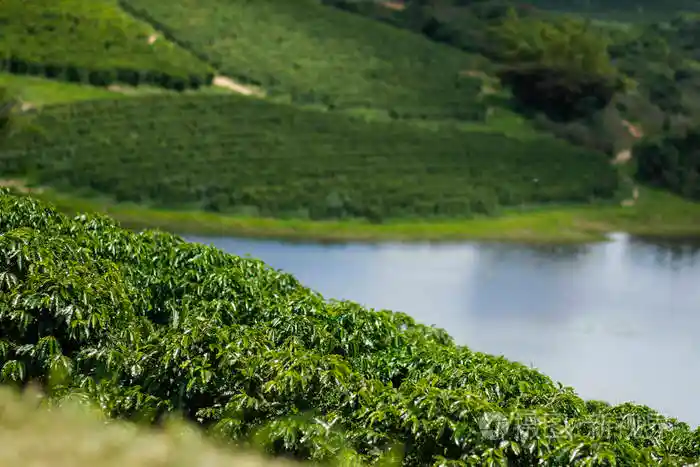
Nevertheless, Brazil still has some specialty coffee farms located at high altitudes, between 1,000 and 1,400 meters, where the terrain is steeper and mechanization is difficult, so manual harvesting is mostly used, helping to maintain high ripeness and consistency of coffee cherries and thus improving the quality and flavor complexity of the final coffee.
If you want to make a balanced Brazilian blend espresso at home, you can refer to the following professional extraction parameters: use a double basket, with a recommended dose of 20 grams, targeting 40 grams of espresso, a dose-to-yield ratio of 1:2. Adjust the grind to medium-fine, for example, using the 2.0 setting on a Galileo grinder, and keep the extraction time between 26 and 32 seconds. This range ensures the coffee does not taste thin from fast extraction or bitter from over-extraction.

Before extraction, thoroughly dry the basket, grind the required dose, and weigh it precisely. Next, use a distribution tool to spread the grounds evenly, then press down vertically with a tamper to ensure the puck is firm and level, which is crucial for extraction stability. Before starting extraction, run water for 1 to 2 seconds to wet the group head and clear residual coffee grounds. Tare the scale, place the extraction cup under the group head, then slowly lock in the portafilter and begin extraction.
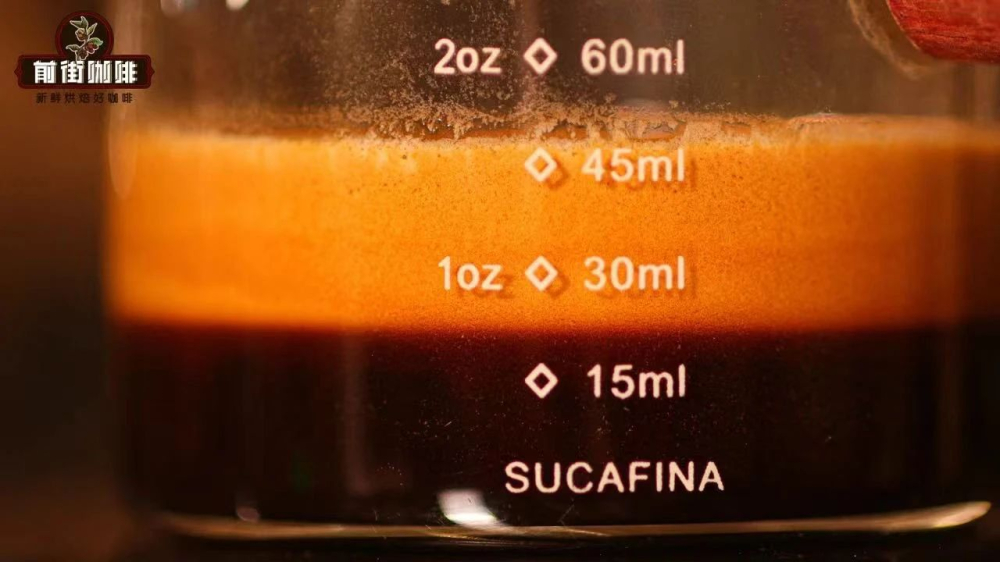
Observe the flow of espresso during extraction; when the coffee reaches 40 grams and the time is within 26 to 32 seconds, stop extraction. The espresso extracted this way is rich in flavor with clear layers. If you prefer a hot Americano, add hot water at a ratio of 1:5, which preserves the core flavors of the coffee while adding a refreshing taste and appropriate sweetness.