Brazil Fazenda Rainha Yellow Bourbon Review: Low-Acid Body and Pour-Over Guide
Introduction: Brazil is the world's largest coffee producer, yet its specialty beans are often overlooked. This article focuses on the Yellow Bourbon variety from Fazenda Rainha in the highlands of Mogiana, explaining how its nutty and cocoa base notes and brown-sugar finish are formed, detailing the advantages of the pulped natural process, and providing a professional roast curve and a medium-dark roast pour-over recipe to help you precisely present this classic Brazilian bean's full-bodied character.

Fazenda Rainha originates from Brazil's legendary Carvalho Dias coffee family and is now managed by its fourth generation. Since the first Brazil COE competition in 1999, the family has accumulated more than 12 awards, including sweeping multiple top places in 2004, taking first, second and third. Situated at 1,400–1,950 meters in the Mogiana region, the estate, through its stable direct estate-management model, consistently produces high-quality coffee that sets it apart from ordinary commercial beans.

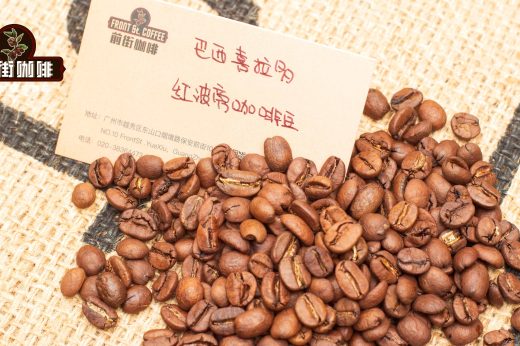
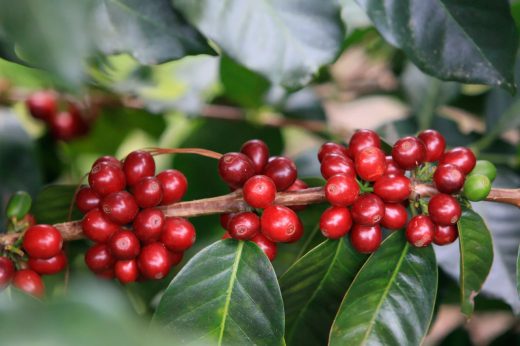
The Yellow Bourbon variety mainly planted at Fazenda Rainha provides a unique flavor foundation—this Bourbon variant, native to São Paulo state, ripens to an orange-yellow color rather than the usual red. Compared with the pronounced nutty notes common in ordinary Brazilian beans, this estate reinforces the cocoa finish through the pulped natural process, and with a medium-dark roast it presents distinct dark chocolate and roasted almond aromas, with a brown-sugar sweetness emerging in the finish that lasts more than 15 seconds.

The estate implements full-chain quality control: all employee housing is provided by the estate, with a free medical plan; in recent years a branch of the Pedro Roza IT school and a chapel designed by Oscar Niemeyer have been built. On environmental certification, it holds BSCA specialty coffee association certification and UTZ social and environmental management credentials, and has been shortlisted as a finalist in the Cup of Excellence Brazil competition for many consecutive years.

Besides the main Yellow Bourbon (planted on 200 hectares), the estate also grows Icatu, Yellow Catuaí and other varieties, all double-certified by BSCA and UTZ. As the core variety, Yellow Bourbon's genetic traits determine that when processed as natural or pulped natural, acid conversion is gentler, balancing the bright acidity brought by high-altitude growing and ultimately producing a sweetness-driven, clean cup.

Given this variety's characteristics, professional roasters recommend a medium roast strategy: the low green-bean density (about 0.72 g/cm³) and relatively thin bean core require strict control of drum temperature. A typical roast curve is: charge at 200°C, maintain a gas setting of 150 during the drying phase, with the yellowing point at 5'10" when the grassy smell has completely faded; before first crack, raise the temperature to 178°C and reduce the gas to 80; finally drop at 201°C during the dense phase of first crack (about 9'14"), ensuring a development time of 3 minutes.

The pulped natural process is Brazil's key innovation for coping with its rainy climate: after removing the skin and pulp, a suitable amount of mucilage is retained for 48–72 hours of temperature-controlled fermentation (usually maintained at 40–45°C), followed by direct drying. Compared with the traditional natural process, this method removes unripe cherries through secondary manual sorting, making fermentation more controllable; ultimately the beans' cleanliness improves by about 30% and sweetness compounds increase by 15–20%.

Recommended brewing parameter optimization:
• Equipment: V60 or Kono dripper (the latter better highlights body)
• Water temperature: 88±2°C (reducing the risk of burnt bitterness from high heat)
• Grind size: Chinese standard No. 20 sieve pass rate 70–75% (medium-coarse particles)
• Coffee-to-water ratio: 1:15 (15 g coffee to 225 ml water)
Procedure: bloom with 30 g water for 30 seconds → pour in stages to 125 g → when the water level drops to half, continue pouring to 225 g, keeping total extraction time at 2 min 10 s ±10 s. Take care to avoid excessively prolonging brew time, which can extract tannic acid.

Flavor wheel characteristics:
• Dry aroma: roasted almond interwoven with dark chocolate
• Wet aroma: caramel sweetness with a slight smoky note
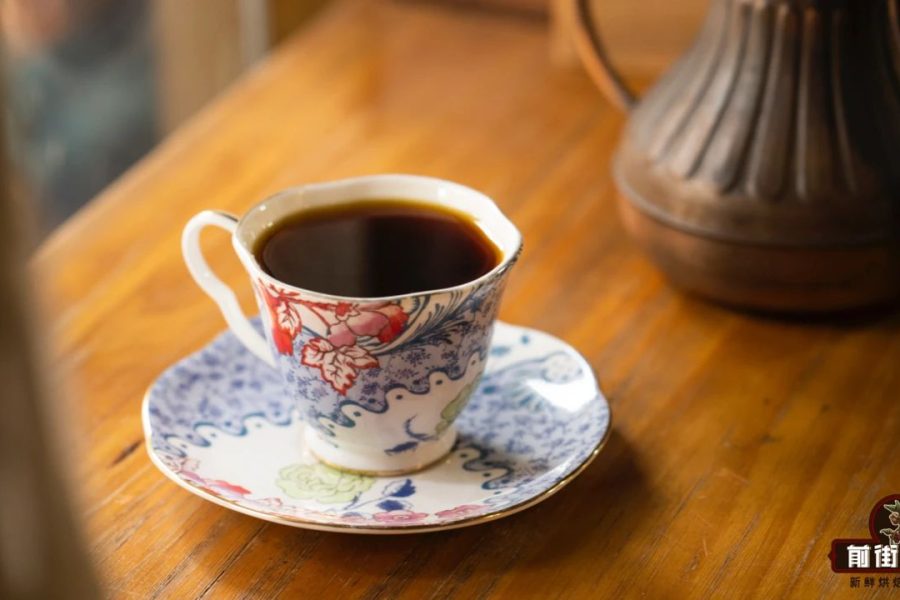
• Palate: prominent nutty and cocoa flavors in the mid-palate, with a persistent brown-sugar sweetness in the finish balanced in layers against faint citrus acidity
• Body: medium-full, with body about 2 grades better than ordinary Brazilian beans

Storage notes: use one-way degassing valve foil bags and keep the storage environment at a constant 10–20°C and 50–60% humidity. After opening, the optimal flavor period is about 21 days; once ground, use within 15 minutes to ensure aroma integrity. Professional cafés may consider installing a humidity-controlled cabinet to maintain ideal storage conditions.