Robusta Coffee Beans Explained: Flavor, Uses, and Instant Coffee
Introduction: Robusta coffee beans are often seen as the opposite of specialty coffee, but they occupy an important place in the global coffee supply chain. This article takes a deep look at this bean's distinctive flavor, growing characteristics, how it differs from Arabica, and why it has become the main raw material for instant coffee. By understanding Robusta's traits, you will gain a fuller picture of the diversity of the coffee world.
When coffee lovers first encounter technical terms, they are often confused by names such as Typica, Arabica, and Robusta. These are actually the three main native coffee varieties, of which Arabica and Robusta are the most common. In global coffee production, Arabica accounts for about 70%, while Robusta accounts for about 20%-30%, with the remaining Liberica making up only a tiny proportion.
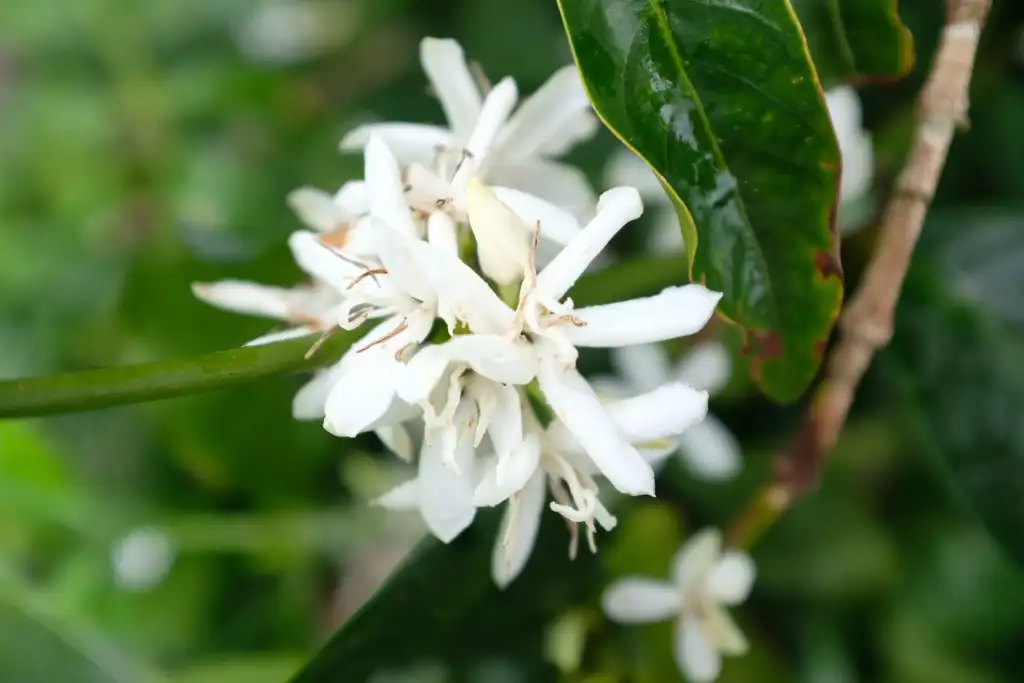
Robusta's botanical scientific name is Coffea canephora, and it is the widely cultivated representative branch of that species. This coffee originated in the Congo Basin of Africa, in sharp contrast to Arabica, which originated on the Ethiopian highlands. Arabica requires a growing environment at 800-2000 meters above sea level, while Robusta can grow vigorously at low altitudes (usually 200-800 meters) and under high temperatures.
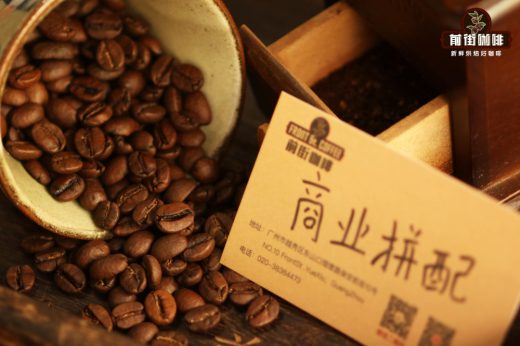
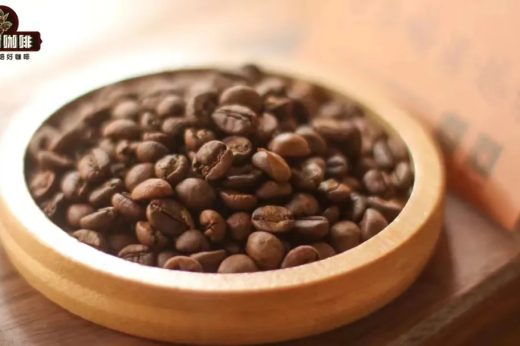
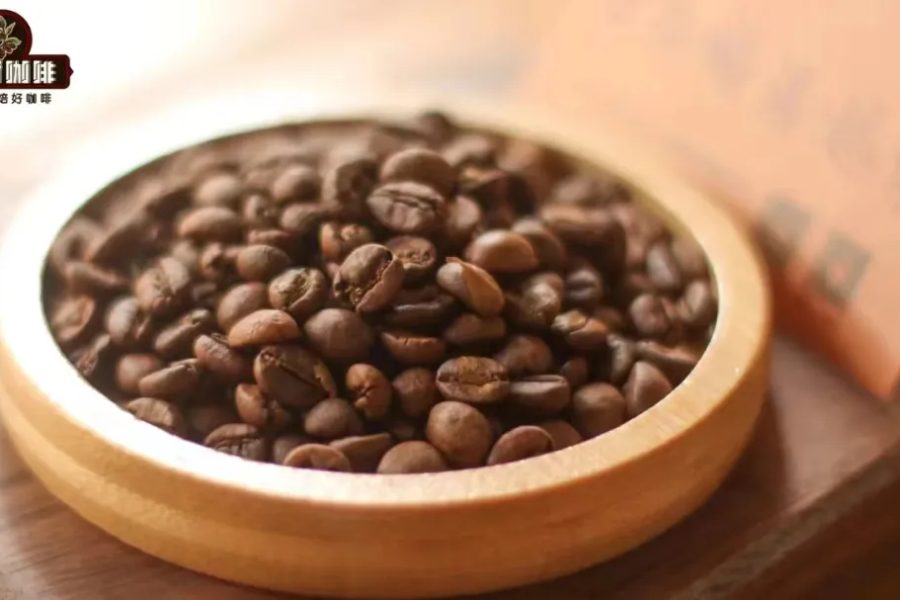
In appearance, Robusta coffee beans show a distinctive round C-shaped outline, with a straight center line, and the green beans are yellow-brown in color. Its flavor profile is clearly different from Arabica: it lacks elegant floral and fruity aromas, replaced by a full, deep, low-toned mouthfeel, often with nutty flavors such as walnut, peanut, and hazelnut, and sometimes a grainy or even earthy note. These traits have long caused it to be overlooked by the specialty coffee world, yet it has become an important raw material for commercial coffee.

Robusta has a significant advantage in resistance to pests and diseases. Its caffeine content is as high as 2.7%-4%, about twice that of Arabica (1.2%-1.5%); this natural insecticide property enables it to effectively resist most pest attacks. In terms of physiological structure, Robusta is a cross-pollinating plant (22 pairs of chromosomes), while Arabica is self-pollinating (44 chromosomes). This genetic difference gives Robusta stronger environmental adaptability, enabling it through genetic recombination to develop traits suited to changing environments; by contrast, Arabica is more prone to large-scale disease due to a single genetic defect.
In terms of growing distribution, Vietnam is the world's largest Robusta producer, and Indonesia, India, and Central African countries are also major producing regions. It is worth noting that after the coffee rust epidemic of 1877, Indonesia replaced its original coffee tree species with Robusta on a large scale. This bean not only yields 30%-40% more than Arabica, with greater yield per plant, but also has a shorter growing cycle.
From a chemical composition analysis, Robusta contains a higher proportion of chlorogenic acid (7%-10%) and caffeine; these substances not only contribute to the distinctive bitter flavor but also make its extraction rate up to twice that of Arabica. These characteristics make it particularly suitable for industrial coffee production: when making instant coffee it can provide a stronger caffeine kick and a richer mouthfeel, and when making espresso it can produce a richer crema.
In terms of flavor comparison, Arabica requires a high-altitude growing environment (usually above 1200 meters) to develop complex floral and fruity aromas, and its ideal growing belt is distributed in the coffee-growing regions between the Tropic of Cancer and the Tropic of Capricorn. Famous producing regions include Ethiopia, Kenya, and Colombia. By contrast, Robusta can grow well even in plains areas, but its flavor profile is mainly full-bodied and low-toned, and it is often used in commercial blends or instant products.
In coffee product applications, Robusta mainly appears in the following scenarios: instant coffee (about 70% of the raw material), canned coffee, espresso blends (used to enhance crema and body), and some lower-priced commercial coffees. Professional roasters usually control the proportion of Robusta in a blend (generally no more than 30%) to balance cost and taste requirements.
For home brewers who want to try Robusta, it is recommended to use a coarser grind (similar to sea salt granules) and a higher water temperature (92-96°C), with extraction time controlled at 2-3 minutes. Because this coffee itself has a strong flavor, it is not recommended to use too fine a grind or a long extraction, so as to avoid over-amplifying the bitterness. It is worth noting that high-quality Robusta, with proper processing, can also show a distinctive caramel sweetness and nutty flavor, which requires professional green bean screening and processing techniques.