Can Woody Robusta Be Good? A Beginner's Bean List and Brewing Guide
Introduction: Robusta is often labeled a "low-end bean" for its intense bitterness and woody flavors, but proper tasting reveals a unique charm. This article breaks down the genetic differences among the three primary coffee species, explains the causes of Robusta's high caffeine and rich oils, and recommends 5 Robusta beans that are woody yet well balanced, with pour-over and espresso extraction parameters to help you find a drinking style that suits you.
Although the world's commercial coffee beans are mainly Arabica and Robusta, most consumers have a vague understanding of varietal differences. In fact, these three primary species—Arabica, Robusta (commonly called Robusta), and Liberica—have completely different flavor foundations, with Liberica rarely circulating due to its scarce production. Arabica dominates specialty coffee with its floral and fruity notes, while Robusta is often used in blends; its strong bitterness and woody flavors deter many beginners.
Arabica's flavor advantage is inseparable from its demanding growing conditions.An optimal altitude of 600-2200 meters and an average annual temperature of 15-24°C give its fruit a maturation period of 7-9 months, and complex microclimates create rich aromatic compounds. For example, Geisha coffee from Panama's Hacienda La Esmeralda, even when grown in its native Ethiopia, still lacks the flavor complexity of high-altitude regions. By contrast, Robusta is highly adaptable, growing at low altitudes of 0-800 meters and high temperatures of 18-36°C, but its fast-ripening fruit accumulates fewer flavor compounds.
Robusta's controversy stems from its unique chemical composition: a caffeine content of 1.8%-3.5% (far exceeding Arabica's 1.5%), and high bitter compounds and chlorogenic acid give it a strongly defensive mouthfeel. The bean is round with a C-shaped center line and a "1"-shaped crease; its one-fruit-one-bean nature makes it denser and more likely to release rich oils during roasting. But commercial cultivation often mixes in unripe and defective beans, and machine harvesting adds impurities, causing most Robusta to show pungent woody, earthy, or even rubbery notes.
Not all Robusta is undrinkable. Well-processed, high-quality Robusta can show nutty and wheat-like grain notes beneath strong bitterness, even with a dark chocolate finish. For example, Robusta grown in Vietnam's highlands has fewer off-flavors due to large day-night temperature swings; the Lintong region of Sumatra, Indonesia, has volcanic soil that gives it a balance of smoky and woody aromas. These beans are especially suited as a rich base for espresso blends, or try a French press extraction to reveal their layers.
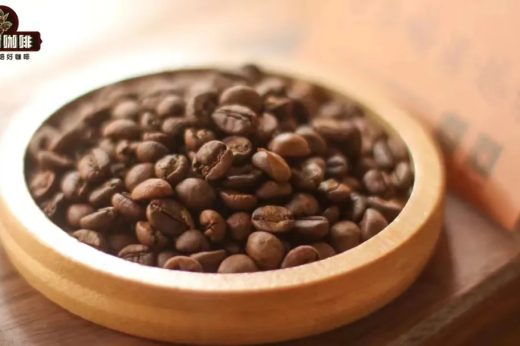
When selecting Robusta, note three key points: first, observe the beans—high-quality Robusta has a glossy surface without black spots, and a medium-dark roast or darker is recommended to reduce harshness; second, smell the dry aroma—a quality sample should have roasted nut or caramel notes rather than pungent wood; finally, check the ground powder—an even brown powder is more reliable than a grayish one. Brewing parameters: for pour-over use 92-94°C water with a 1:15 coffee-to-water ratio; for French press extend the steep to 4 minutes to release oils; for espresso control extraction at 9 bar for 25-30 seconds to avoid over-extraction and increased bitterness.
Five Robusta flavor beans worth trying:
1. Vietnamese highland Robusta—citrus finish balancing woody notes
2. Sumatra Lintong Robusta—smoky and dark chocolate complexity
3. Indonesian Java old-tree Robusta—prominent malt sweetness
4. Brazilian highland Robusta—obvious nutty notes and very low acidity
5. Kenyan experimental Robusta—rare berry acidity
(Note: specific beans depend on market availability)
Processing has a huge influence on Robusta flavor. Traditional washing reduces off-flavors from impurities, while natural (sun-dried) processing enhances sweetness but carries higher risk. The emerging honey process is rarely applied to Robusta, but some estates have successfully reduced woody notes by extending fermentation. Prefer Robusta products labeled "single origin" or "special processing" and avoid cheap commercial blends.
Practical brewing tips:
• For pour-over, use a coarse paper filter to reduce fines and avoid over-extracting bitterness
• After French press brewing, let it sit 30 seconds before pressing to balance oils and off-flavors
• If espresso tastes burnt-bitter, increase the milk ratio or switch to a double Robusta blend
• Freshness is crucial; Robusta's peak flavor period is about 2-3 weeks after roasting
From a genetic perspective, Robusta's self-pollination makes it genetically more stable than Arabica, but it also limits room for flavor innovation. Arabica, through cross-pollination, continually produces new varieties, such as Bourbon and Geisha derived from Typica.Arabica beans are slender and flat with a C/S-shaped center line, and their one-fruit-two-beans structure makes their flavor lighter. But Robusta's high disease resistance and rich character remain an indispensable part of espresso.
In summary, woody Robusta is not synonymous with low quality. Once you understand its varietal characteristics, you can fully uncover a unique pleasure akin to "dark-roasted chocolate cake" by selecting origins, optimizing processing, and adjusting brewing parameters. Next time you encounter coffee beans labeled Robusta, try them with an open mind—you may be pleasantly surprised.