Iced coffee guide: cold brew, ice drip, and iced pour-over ratios
Introduction: How do you make iced coffee taste good in summer? From iced pour-over to cold brew to ice drip, mastering the right coffee-to-water ratio, grind size, and extraction parameters is key. This article explains the process for three types of iced coffee in detail, including how to adjust ratios to avoid dilution, how to choose the right grind size to improve flavor, and operating details for different brewers, helping you easily make clean, refreshing iced coffee with distinct layers.
As summer arrives, iced coffee becomes the daily first choice for coffee lovers. Whether it is iced pour-over, cold brew, or ice drip, the key to making a cup of iced coffee with balanced flavor and a refreshing mouthfeel is mastering the correct extraction parameters and brewing techniques. Below, starting from the three common iced coffee brewing methods, we share practical experience.

Iced pour-over coffee: adjust the ratio to counter dilution from ice
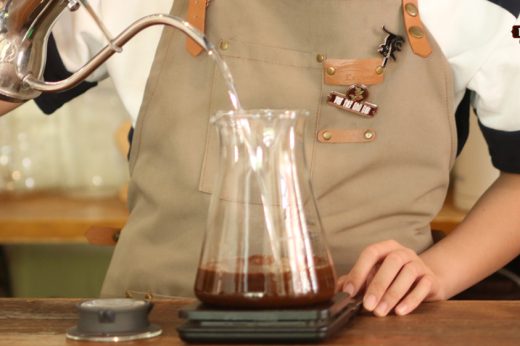
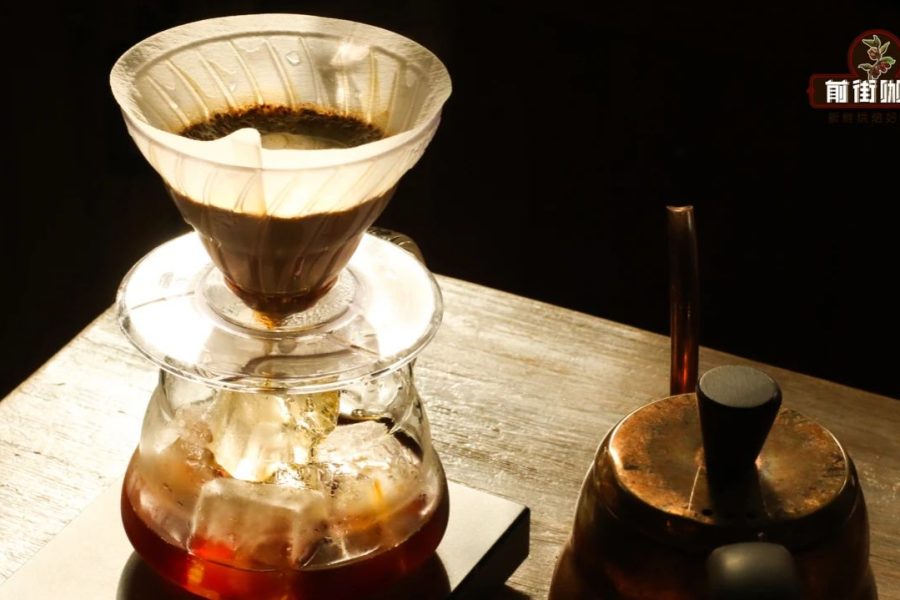
The difficulty with iced pour-over is that melting ice dilutes the coffee concentration. If you directly apply the 1:15 coffee-to-water ratio of hot pour-over, the flavor will become weak after adding ice. It is recommended to calculate the ratio based on the final total liquid volume (coffee liquid + ice). For example, with 15 g of coffee grounds, the target total weight is 225 g (that is, 1:15), of which the coffee liquid is about 120-125 g (accounting for 25-30 g absorbed during blooming), which needs to be paired with 100-105 g of ice. The grind size can be slightly finer than for hot pour-over: for light-to-medium roasts, use a No. 20 sieve with an 80% pass rate; for medium-dark roasts, use a 73% pass rate. If you cannot adjust the grind, keep the original grind size and raise the water temperature by 1-2°C. In addition, you can also extract using conventional hot pour-over parameters and then add stainless steel ice cubes to cool it down.

Cold brew coffee: a refreshing choice from long steeping
Cold brew coffee is characterized by low-temperature slow extraction, which can reduce the release of bitter substances, highlight small-molecule flavors such as floral and fruity notes, and produce a smooth, mellow mouthfeel. A recommended coffee-to-water ratio is 1:15, for example 30 g of coffee grounds with 300 g of room-temperature water and 150 g of ice. Stir evenly, then refrigerate and steep for 12-24 hours, and finally filter. The grind size needs to be coarser; a 0.85 mm standard sieve with an 80-85% pass rate is recommended. If it is too fine, it may cause over-extraction and produce woody flavors that affect cleanliness. After extraction is complete, it is recommended to drink within 2-3 days for the best flavor, and store for no more than 7 days.

Ice drip coffee: dual extraction through drip filtration and low temperature
Ice drip coffee combines drip filtration and low-temperature extraction, giving a clearer flavor with more distinct layers. Making it requires a dedicated ice drip brewer and maintaining a steady water droplet speed. A recommended coffee-to-water ratio is 1:13, calculating the total extraction volume based on the brewer's coffee capacity (capacity × 13). The grind size is about a 0.85 mm standard sieve with an 85% pass rate, suitable for beans with prominent fruity notes. The ice-to-water mixing ratio is 1:1, and the valve controls the flow rate at 7 drops every 10 seconds, with the whole process taking about 6-8 hours. After extraction is complete, the coffee liquid needs to be refrigerated and left to stand for 12 hours to promote flavor integration; at this point the sweet-sour sensation transforms into a richer aroma and the mouthfeel becomes mellower. However, ice drip coffee does not keep well; the best tasting period is within 3 days after making, and no longer than 5 days.

Details to note about grinding and parameters
Different iced coffees have clearly different grind size requirements: iced pour-over can be slightly adjusted or compensated for through water temperature; cold brew needs a coarse grind to prevent over-extraction; ice drip needs a medium-coarse grind to ensure layered flavor. The coffee-to-water ratio is the core of flavor balance: iced pour-over needs to be calculated by total liquid volume, cold brew is recommended at 1:15, and ice drip at 1:13. In addition, the low-temperature fermentation step of ice drip coffee cannot be omitted; 12 hours of standing can significantly improve flavor complexity.
Practical tips for equipment and operation
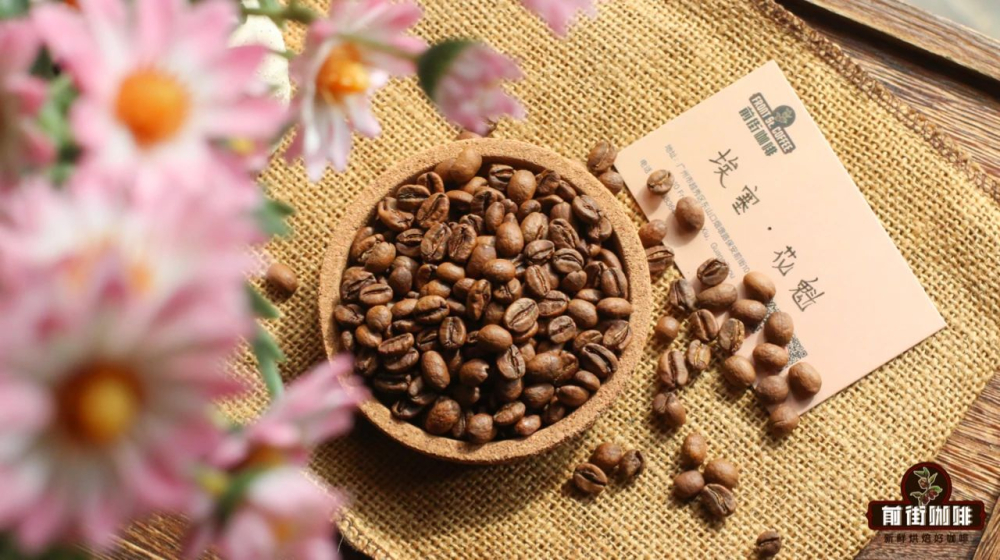
Iced pour-over requires no special tools, but the amount of ice must be precisely controlled; cold brew only needs a sealed container and a filter, is simple to operate, and is suitable for beginners; ice drip coffee relies on specialized equipment, and attention must be paid to maintaining a constant drip speed and clean water quality. No matter which method is used, freshly ground coffee beans and correct water temperature control (if adjusted) are fundamental.