Cold Brew at Home: From Basics to Flavor Parameters
Introduction: In hot weather, a cool, mellow glass of cold brew coffee is a favorite for many. But how does cold brew differ from iced Americano or iced pour-over? What key parameters matter when making it at home? This article systematically explains the two main cold brew methods, analyzes suitable coffee bean characteristics, provides detailed recommendations for coffee-to-water ratio, grind size, and extraction time, and answers common questions about storage life, helping you easily recreate professional-level flavor at home.
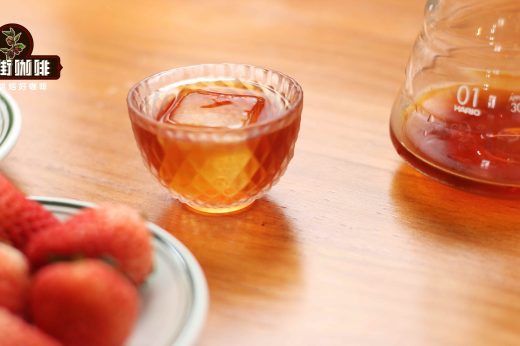
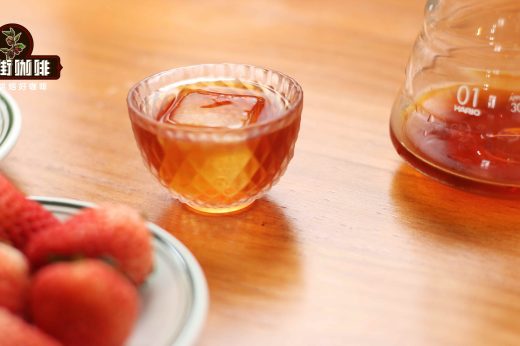
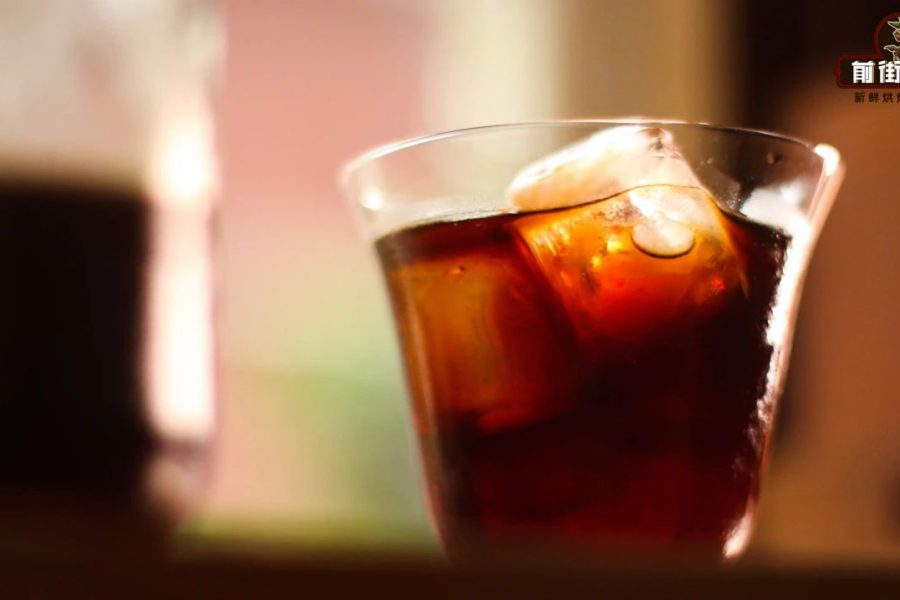
Cold brew coffee is an excellent choice for a summer refresher. Unlike conventional hot extraction, it uses low-temperature water for a long extraction, bringing a softer mouthfeel. People often mistake iced Americano or iced pour-over for cold brew, but in fact both use hot water during the extraction stage; only coffee processed entirely at low temperature counts as true cold brew.

From a process perspective, cold brew falls mainly into two categories: the immersion method, in which coffee grounds are fully steeped in cold water, and the ice drip method, in which ice water slowly drips through. The former is simple to perform; the latter takes longer but offers more layers. The core difference between the two lies in how the water contacts the coffee and the extraction duration.
Low temperature significantly affects the release of flavor compounds. Coffee beans contain about 30% soluble matter; high heat accelerates the release of sweet and sour substances, while bitter components dissolve more slowly. When the water temperature drops close to 0°C, longer processing time is needed to achieve ideal extraction, which is also why some specialty cold brew products require advance ordering. Typical cold brew water temperature should be controlled within the 0°C to 4°C range.

The choice of coffee beans directly affects the final flavor. Light-roast or medium-light-roast beans are recommended first, as these usually have bright acidity and distinctive regional character. For example, some specially fermented beans can show richer layers under low-temperature extraction.
Take a bean fermented in Sherry whisky barrels as an example: its processing includes 30-40 days of low-temperature fermentation in barrels, allowing whisky aroma compounds to fully penetrate the green beans. It then needs to be dried evenly in the shade to prevent high temperatures from breaking down flavor compounds. This special processing gives the coffee an extra sweet base.

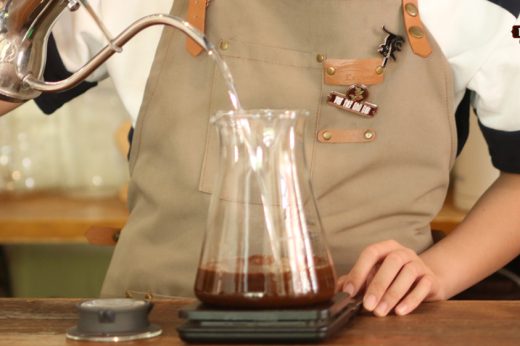
For actual preparation, refer to the following parameters: coffee-to-water ratio 1:10 (e.g., 60 grams of grounds to 600 milliliters of water), grind size about 85% passing a No. 20 sieve (slightly finer than regular pour-over). A 1:1 ice-to-water mix is recommended, with flow rate controlled at about 7 drops per 10 seconds. If using the immersion method, maintain an extraction time of 6-8 hours; during this period, covering with a moistened filter paper is recommended to ensure even extraction.
Flavor development is closely tied to time. A short extraction may taste thin, while too long easily produces off-flavors from over-extraction. After extraction is complete, refrigerate and let it rest for 12 hours to further integrate the flavors. At this point, the balance of acidity and sweetness and the body usually reach their best state.

Regarding bean suitability, light-roast beans often perform outstandingly. These beans retain more native acidity and floral-fruity notes, presenting a fresher flavor profile under low-temperature extraction. Some specially barrel-fermented beans can also bring complex sweet finish notes such as chocolate and nuts.

For storage, pay special attention: finished cold brew should be kept refrigerated in a sealed container, with a best-tasting period of 5-7 days. As storage time lengthens, fermented flavors gradually intensify, and after more than a week, spoilage off-flavors may appear. It is recommended to make it in batches according to consumption speed, ensuring every drink is at its flavor peak.

Common mistakes include: mistakenly using hot water for pre-infusion, grinding too coarsely and causing under-extraction, and not refrigerating sufficiently, which affects flavor development. Once the correct parameters are mastered, home brewing can fully reach the quality level of professional cafés. By adjusting the coffee-to-water ratio, grind size, and time, you can also create versions of different strengths to meet individual preferences.

In summary, the charm of cold brew coffee lies in its gentle, non-irritating character and rich flavor possibilities. Understand the triangular relationship among water temperature, time, and grind size, choose suitable beans, and strictly control hygiene, and you can enjoy a refreshing taste comparable to a specialty café in the heat of summer.