Summer Iced Coffee Guide: 5 Home Recipes and Bean Picks
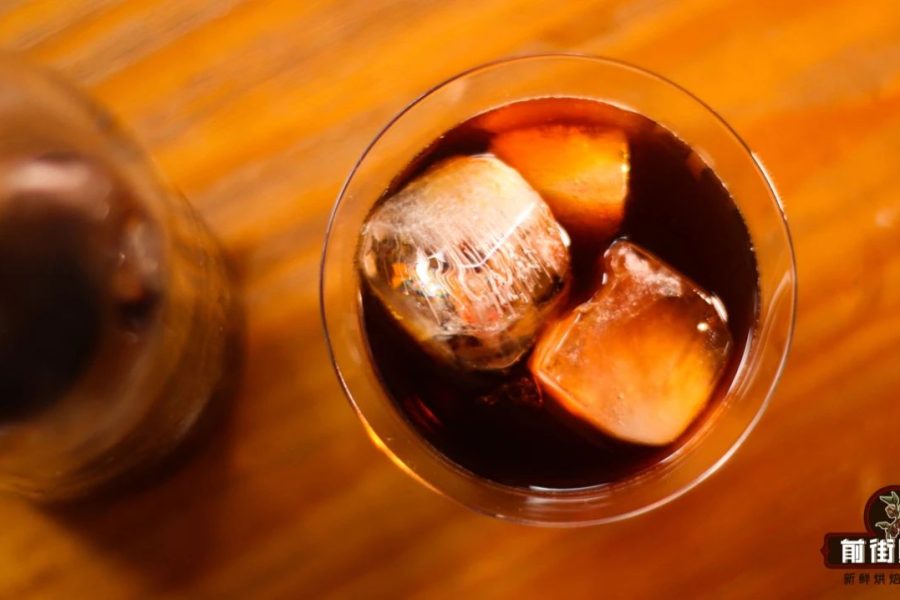
Introduction: Craving something cool and refreshing in the hot summer? Iced coffee not only cools you down but also preserves coffee's rich flavors. This article selects 3 quality coffee beans suited to iced drinks, covering everything from bright fruit acidity to deep fermented notes, and explains 5 foolproof home methods—hand-poured iced coffee, drip-bag cold brew, cold brew, and more—with detailed parameters and flavor analysis, so you can easily achieve a professional-level iced coffee experience.
Scientific Bean Selection for Summer Iced Coffee
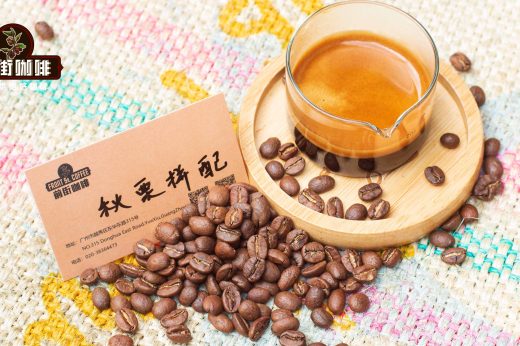
Many people think iced coffee must use high-acid, bright, niche light-roast beans, but this is not the case. A truly excellent iced coffee bean needs to show layers even at low temperatures—a medium-light roasted Ethiopian natural Red Cherry () is a typical example, releasing mixed berry and black tea finish when brewed with 90+°C hot water, and the slight fermented note from natural processing forms a uniquely sweet, rounded texture after icing. Panama Elida Estate Typica () shows another style, with peach and raisin fruit aromas combined with the clean acidity typical of the Typica variety, so even as an iced Americano it won't taste thin.
Advanced drinkers might try Colombian Sidra coffee beans (), a WBC champion's laboratory variety that combines Geisha-level florals with passion fruit notes; a 1:15 coffee-to-water ratio better highlights its apricot and dried-fruit flavors. Note to choose medium-roast beans (roast level marked City+ recommended); too dark a roast will make bitterness stand out in iced drinks.
Breaking Down Professional Pour-Over Iced Coffee Parameters
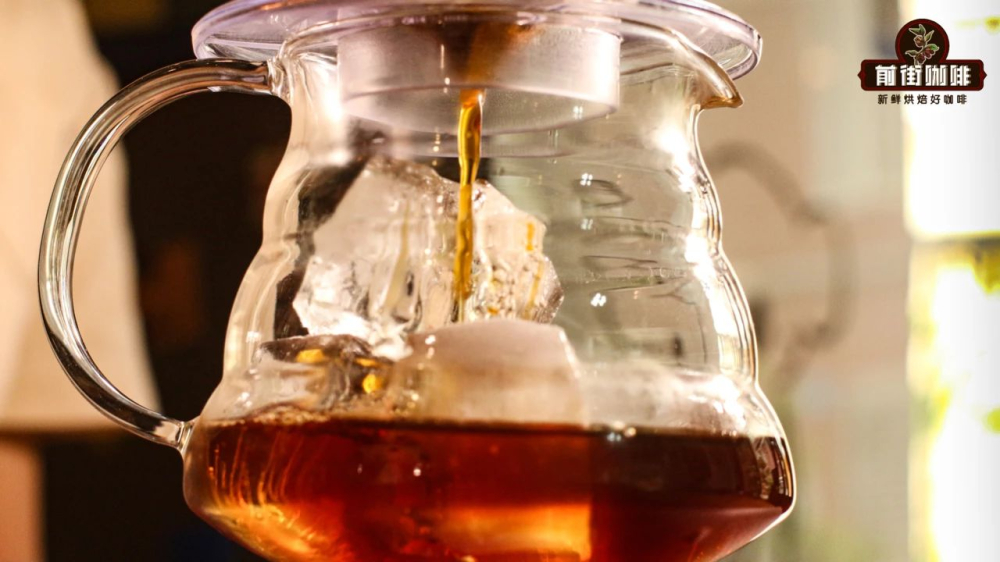
There is a common mistake when making iced pour-over: brewing directly over ice cubes causes a sudden temperature drop that affects extraction. The correct method is to first extract with 90–91°C hot water at a 1:10 coffee-to-water ratio (a V60 dripper with three pours recommended: first pour 30g water to bloom for 30 seconds, then 60g per pour keeping the water level at half the dripper), then place 100g pre-chilled ice cubes (pure-water ice frozen in advance is best) into the server, quickly pour in the coffee and swirl to cool.

Key details: choose a medium-fine grind (75% passing a Chinese standard No. 20 sieve), slightly finer than regular pour-over but avoiding excess fines. If you like a stronger punch, add 50g more ice at the final stage for a second dilution; the coffee strength will then naturally drop into the golden range of 1.15%–1.25%.
The Drip-Bag Iced Coffee Transformation

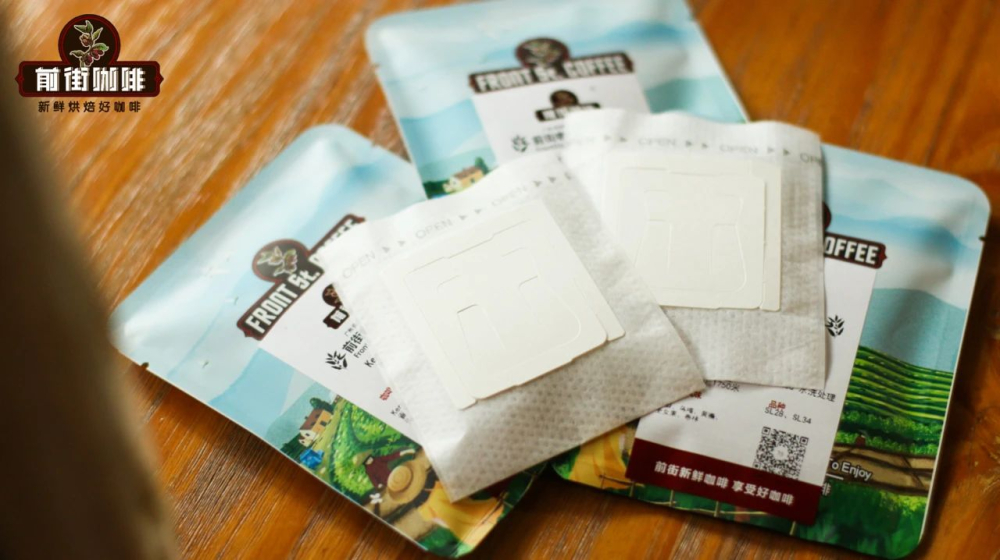
When making iced coffee with a drip bag, a "steep + chill" two-stage method is recommended: first steep with 90°C hot water at a 1:10 ratio for 3 minutes (), pressing the filter bag lightly with the back of a spoon 2–3 times to aid extraction. Don't rush to add ice afterward; first pour the hot coffee into a pre-chilled glass (frosted walls are best), then add 50g large square ice cubes, aiming for the ice to melt and dilute within 2 minutes for the best result.
Special tip: for a cold-brew variation using a drip bag, extend the steeping time to 40 minutes (water temperature down to 60°C); caffeine release drops by 30%, making it more suitable for sensitive people. Remember to gently squeeze the filter bag every 10 minutes to help release flavor.

The Time-Space Magic of Cold Brew
The real lazy person's blessing is here! 12–16 hour refrigerated cold brew () requires only basic steps: mix coffee grounds (grind close to French press coarse) with room-temperature water at a 1:12 ratio, seal, and refrigerate. Use glass or food-grade stainless steel containers; avoid plastic, which can affect flavor. Professional cafés often choose to start brewing between 2 and 4 a.m., so it's ready for the breakfast hours.
Advanced adjustments: for more sweetness, extend to 18 hours (reduce grounds to a 1:13 ratio); for a cleaner taste, shorten to 10 hours. Before drinking, a second pass through a fine-mesh filter noticeably improves cold brew's typical cloudiness. To mimic Japanese iced coffee, add a little nitrogen at the end (at home, a whisk gently beaten to create tiny bubbles works as a substitute).

Solutions for Special Situations
Quick office version: use pre-ground cold brew coffee packets (or espresso extracted in advance with a moka pot and frozen), paired with a portable ice cup for 3-minute iced coffee. For camping, use the "thermos steaming method"—put filter-paper-wrapped grounds into a thermos, pour in 85°C hot water, screw the lid on, and let sit for 15 minutes; when pouring out, add a stainless steel ice ball to cool quickly.

Healthy alternatives: people with diabetes can choose a Robusta-Arabica blend (7:3 ratio); its naturally low acidity is easier to drink after icing. For fitness enthusiasts, add electrolyte ice cubes (frozen from sports drinks)—they hydrate without diluting the coffee's flavor layers.