Is Cold Brew Low in Acidity? Caffeine Content and Filtration Explained
Introduction: Cold brew coffee has become a popular summer beverage thanks to its refreshing taste and convenient preparation. This article takes a close look at the acidity characteristics of cold brew, actual caffeine content data, practical tips for filtering coffee grounds when making it at home, and flavor pairing suggestions for beans of different roast levels, helping coffee lovers master this brewing method that requires no specialized equipment.
As a popular brewing method that needs no coffee machine, cold brew coffee has won over many consumers with its unique flavor and convenience. Made by long low-temperature steeping, this coffee is not only simple to prepare but also has many characteristics that set it apart from hot-brewed coffee.
Measured Caffeine Content
It is commonly believed that cold brew coffee has a higher caffeine content. Measured data shows that when 200 ml of cold brew liquid is made from 20 g of coffee grounds, the caffeine content is about 140 mg. This is equivalent to 2-3 times that of ordinary hot-brewed coffee, mainly thanks to the slow extraction process of 12 hours or more, which allows the caffeine in the coffee grounds to fully dissolve into the water.
 >
Health Benefits and Weight Management
As a type of black coffee, cold brew has a weaker sour and astringent taste, with a mouthfeel between Americano and pour-over. Research shows that caffeine can boost metabolism, and drinking it before exercise can help improve fat-burning efficiency. Its mild characteristics also make it more suitable for frequent daily drinking.
Acidity Analysis
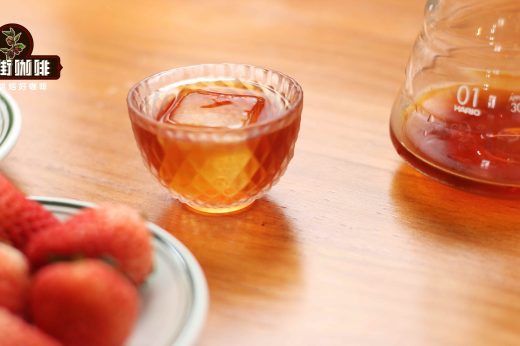
Cold brew coffee usually has lower acidity, because the low-temperature environment inhibits the extraction of acidic substances. Experiments have found that when light-roasted coffee beans (such as Ethiopian natural beans) are used, the cold brew shows a distinct juicy quality and sweetness, with the acidity appearing as a soft citrus flavor rather than a sharp sourness.
 >
Full Home-Making Process
To make cold brew coffee, you only need: ground coffee, cold water, a sealed container and a filtering tool. A coarse grind (similar to coarse sugar) is recommended, with a coffee-to-water ratio between 1:8 and 1:12. After mixing the ground coffee with room-temperature water, it is recommended to use a stirrer to fully wet the surface of the coffee grounds, then seal and refrigerate to steep for 10-16 hours.
 >
Tips for Filtering Coffee Grounds
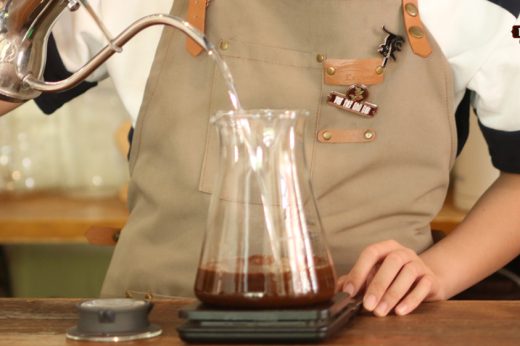
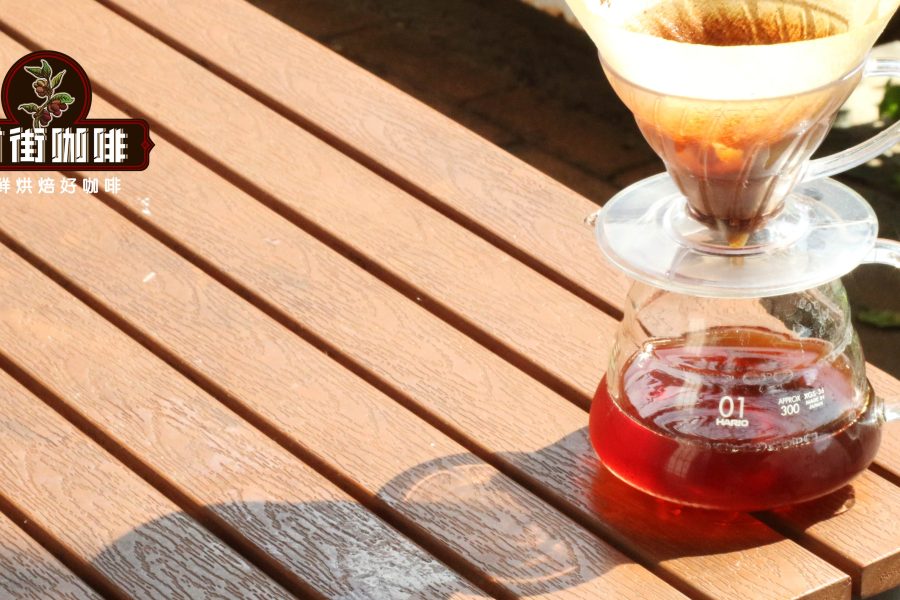
The most common filtering method is to use filter paper with a funnel, or you can use a dedicated cold brew pot or a French press. Professional advice: first use filter paper for a primary filtration to remove most of the coffee grounds, then use a fine cloth or a coffee-specific filter for a second filtration to obtain a clearer coffee liquid. When filtering, it is recommended to tilt the container at 45 degrees and pour slowly to avoid disturbing the sediment at the bottom.
 >
Coffee Bean Selection Guide
• Light roast (recommended for sweet-and-sour juicy style): beans from origins such as Ethiopia and Kenya are suitable, with bright citrus notes and floral aromas
• Medium roast (balanced flavor): Brazilian and Colombian beans can present a nutty-chocolate base
• Dark roast (rich mouthfeel): bean varieties such as Indonesian Mandheling can produce a rich flavor similar to espresso
 >
Professional Parameter Reference
Measured effective recipe: use 80 g of medium-fine ground coffee (85% passing rate on a No. 20 sieve), pour in 800 ml of room-temperature purified water, with a grind similar to fine sugar. After stirring thoroughly, seal and refrigerate for 12 hours; during this time, it is recommended to gently shake the container every 4 hours to promote even extraction. Key tip: grinding too fine will cause over-extraction and bitterness.
 ,
 ,
 ,
 >
Flavor Optimization Suggestions
After steeping is complete, you can adjust the flavor in the following ways:
1. When adding a small amount of ice to dilute, it is recommended to add it in batches and observe the changes in taste
2. Pairing with citrus fruit slices can enhance the refreshing sensation
3. When storing, use a sealed bottle and refrigerate; it is recommended to finish within 3 days to maintain the best flavor
Professional barista advice: first-timers can start with a 1:10 coffee-to-water ratio and a 10-hour steep, then gradually adjust to personal preference.
 >