Cold Brew Coffee: Bean Bag Choices, Overnight Storage and Flavor Guide
Introduction: Cold brew coffee has become a popular summer drink thanks to its refreshing taste and simple brewing process. This article explains the principles and key steps of cold brew, covering everything from basic recipe ratios to equipment alternatives, comparing cold brew with ice drip, answering common questions about overnight storage safety and acidity control, and offering professional-level flavor blending advice. Practical tips at the end help you recreate café quality at home with everyday containers.
The core appeal of cold brew coffee lies in its unique low-temperature slow extraction process—soaking coarsely ground coffee and room-temperature water at around 4°C for 12-14 hours, extracting flavor compounds by extending contact time while inhibiting the release of acidic substances. This method, which originated in the United States, has become popular among coffee enthusiasts in China in recent years. Its golden 1:10 coffee-to-water ratio (for example, 50g coffee grounds to 500ml water) ensures concentration while avoiding excessive bitterness.

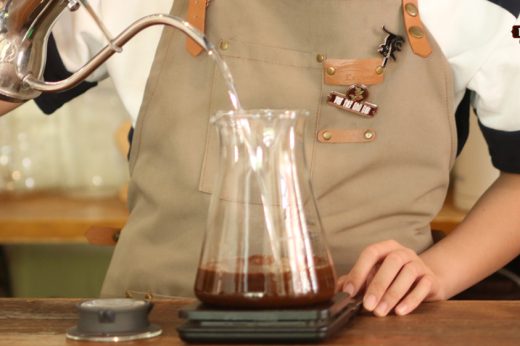
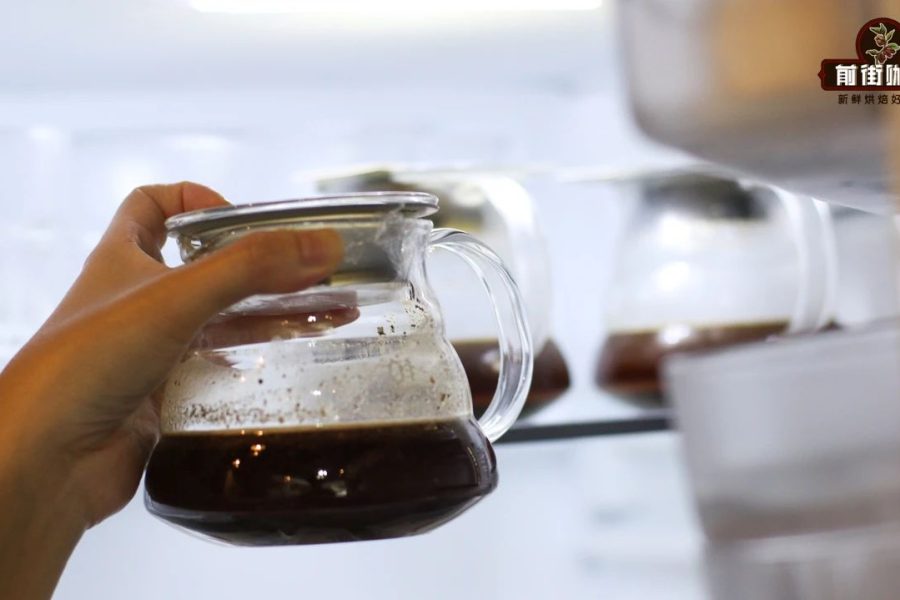
The process requires no professional equipment: for the sealed container, prefer a glass jar or food-grade plastic bottle, and keep the grind at about 65% passing a No. 20 standard sieve (similar to French press coarseness). After mixing the coffee grounds with room-temperature water, shake well. During refrigeration, gently swirl once every 6 hours to promote even extraction. When finished, filter out the residue with filter paper or a fine mesh strainer; the resulting coffee liquid can be drunk directly or refrigerated for up to 48 hours.

Analysis of flavor characteristics shows that the cold brew process retains more aromatic esters, making fruity notes and caramel finish more prominent. The key to acidity control lies in choosing the roast level of the beans—light roasts present bright citrus notes but noticeable acidity, while medium-dark roasts (such as Brazilian or Colombian natural) bring a more balanced nutty and chocolate flavor. For a special taste, try co-extracting with a cinnamon stick or vanilla pod.

Experimental data on overnight storage feasibility shows that properly sealed cold brew coffee at 0-4°C has a microbial growth rate below 0.1%/hour, but the following is recommended:
1. Use inert-material containers (glass/stainless steel)
2. Ensure the liquid fully covers the filtered residue
3. Warm to 8-12°C before drinking for the best flavor
4. When adding ice, use ice made from distilled water to reduce off-flavors
Limitations of commercial cold brew bags: pre-ground coffee can lose up to 37% of its aromatic compounds within 1 hour of opening, and standardized recipes struggle to match personal taste preferences. The advantages of DIY lie in adjusting three major variables—fine-tuning grind (±5% affects flow rate), water temperature control (testing the 4-8°C range), and extraction time (gradient testing from 10-16 hours).

In-depth answers to common questions:
• Acidity adjustment: dark roasts (such as Mandheling) can keep pH stable in the 5.2-5.5 range
• Caffeine content: about 40-60mg per 100ml, equivalent to 70% the concentration of Americano
• Grind suitability: for hand grinders, set to 4-5 (between drip and French press)
• Equipment alternatives: travel mugs with sealed lids and thermos flasks can both serve as extraction containers

The essential difference between cold brew and ice drip is reflected in extraction dynamics:
Ice drip coffee uses gravity to let 0°C ice water permeate at 1-2 drops per minute (total time about 3-8 hours), creating a unique "ice distillation" effect; cold brew relies on slow molecular diffusion, with a flavor closer to cold-brewed tea with extended extraction time. A comparison of oil content shows that the crema layer of cold brew is about 1.5 times thicker than that of ice drip, giving a fuller mouthfeel.

Advanced tips: to enhance complexity, try
1. Staged water addition (add 2/3 of the water first and let sit 6 hours, then top up and steep another 8 hours)
2. Bean blending (70% Arabica + 30% Robusta to boost body)
3. Post-flavoring (after cold brew is complete, add a small amount of sea salt or condensed milk to balance flavor)
4. Concentrate base (raise the coffee-to-water ratio to 1:5 for making iced coffee drinks)