Cold Drip Coffee: Sealed Fermentation, Fruit Flavor Blending and Brewing Parameters
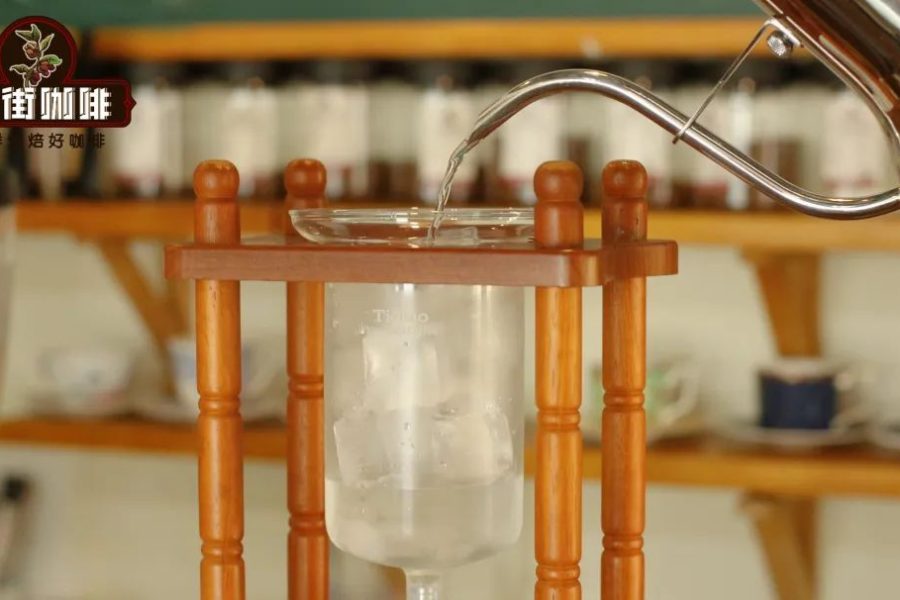
Introduction: With its clean and smooth mouthfeel, cold drip coffee has become a popular choice among coffee lovers in summer. Yet many people still wonder whether cold drip coffee needs to be sealed and why it tastes better after fermentation. This article takes an in-depth look at the low-temperature extraction principles and fermentation mechanisms of cold drip coffee, provides detailed fruit-flavor blending plans and professional-grade brewing parameters, and helps you master the whole process from bean selection to extraction.
As a coffee drink that takes time to settle, cold drip coffee brings a distinctive cooling experience in the heat of summer thanks to its low-temperature slow extraction. By extending the contact time between water and coffee grounds, the low-temperature environment effectively suppresses the release of astringent substances such as tannic acid, making the final cup purer and smoother. This extraction method is especially suited to showcasing the floral and fruity character of the beans themselves, with rich layers and a clear sweet aftertaste.
[Core advantages of low-temperature extraction]
The process of steeping coffee grounds for a long time in a mixture of ice and water determines the unique flavor profile of cold drip coffee. At a low temperature of around 4°C, heavier-tasting substances with larger molecular weights, such as smoky and caramel notes, are hard to extract, while lighter compounds such as floral and fruity aromas can fully dissolve into the water. This selective extraction allows the regional character of each coffee bean to be presented more purely.

[The truth about sealed fermentation]
The "fermentation" stage after the cold drip is complete is in fact a controlled oxidation process. When the coffee liquid is transferred to a sealed container and refrigerated, the carbon dioxide that has accumulated inside gradually forms a slight pressure environment (about 0.8-1.2 atmospheres). This pressure not only promotes the release of flavor substances but also allows tightly bound aromatic compounds to rearrange and recombine. Experimental data show that after 12-24 hours of refrigeration at 4°C, the aroma intensity of the coffee increases by about 37% on average, but beyond 72 hours quality may decline due to microbial activity.
[Professional-grade brewing parameters]
The golden ratio is a coffee-to-water ratio of 1:10 (that is, 60 grams of coffee grounds to 600 milliliters of ice water), where the ice water should be pre-mixed at a 1:1 ratio. The grind size should be controlled at the level of coarse sugar, slightly coarser than a regular pour-over grind, so that extraction efficiency is ensured while channeling caused by excessive fines is avoided. As for water quality, filtered water with a TDS of 50-100 ppm is recommended to balance the purity of extraction and the ability to carry flavor.
[Step-by-step brewing process]
1. Place a round paper filter at the bottom of the dripper and wet it to set it in shape, add the ground coffee and gently level the surface; you may use a tamper to press lightly and ensure evenness;
2. Cover with a second layer of filter paper to maintain a stable extraction surface and prevent the coffee bed from collapsing during long dripping;
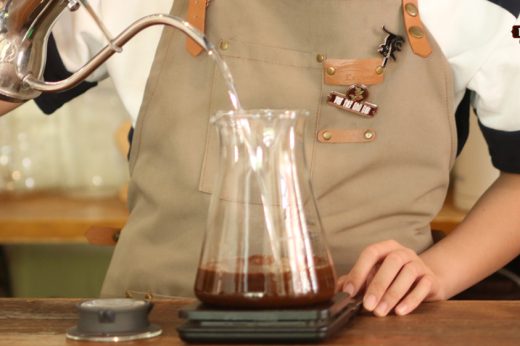
3. Pre-infuse (bloom) with ice water for about 30 seconds to activate the coffee;
4. Adjust the drip rate to 7 drops per 10 seconds (about 1.2 milliliters per minute), a proven optimal balance point;
5. After extraction is complete, transfer immediately to a sterilized sealed container, and avoid opening and closing it frequently during refrigeration.

[Key techniques for enhancing flavor]
A blending strategy can strengthen specific flavor dimensions: choose a washed Ethiopian bean with high acidity (G1-grade heirloom varieties grown above 2,000 meters are recommended) paired with a fermented Central or South American bean (such as Colombian anaerobic natural). A typical blend ratio is 4:6, with the former contributing bright citrus notes and fermentation layers and the latter providing a berry base and a full body. Note in particular that the roast level of the blended beans should be consistent; a light-to-medium roast range (Agtron 65-75) is recommended.
[Avoiding common problems]
Avoid storing in metal containers, as stainless steel may trigger chemical reactions; replace the sealing ring regularly to prevent odor contamination; keep the ambient temperature stable during dripping (fluctuation no more than ±3°C). If the finished coffee shows a clear vinegar or cardboard taste, it indicates over-oxidation and should be discarded.

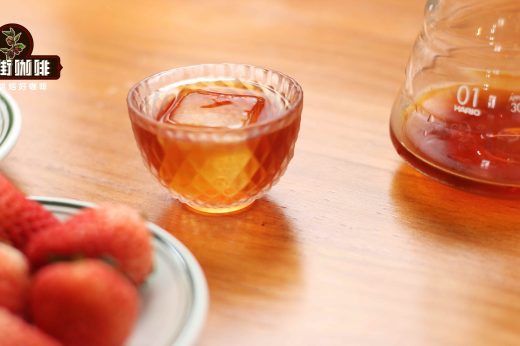
By precisely controlling the variables above, you can not only obtain a clear, translucent amber body but also experience a complete flavor arc, from fresh berry aromas in the opening, through herbal notes in the middle, to a gentle minty finish. Remember, a high-quality cold drip coffee should be like a carefully brewed fruit wine, revealing a different side of its flavor at every stage of refrigeration.