Cold Brew vs. Hot Coffee: Flavor Differences and a Complete Cold Brew Guide
Introduction: Why do cold brew and hot coffee taste so different? This stems from their fundamental differences in extraction method, temperature control, and the mechanisms by which flavor compounds are released. This article analyzes the unique flavor formation of cold brew from a scientific perspective, compares the core parameter differences between cold brew and pour-over, and provides practical parameter suggestions for making cold brew, helping coffee enthusiasts accurately master the 12–14 hour slow extraction technique and unlock a refreshing, low-acid, mellow and balanced cold brew experience.
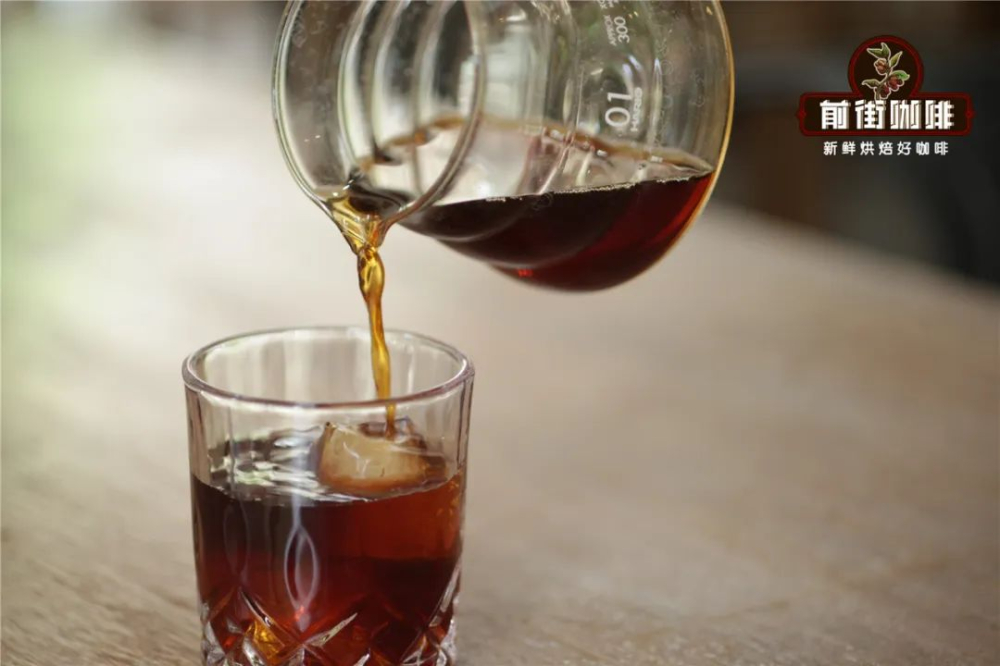
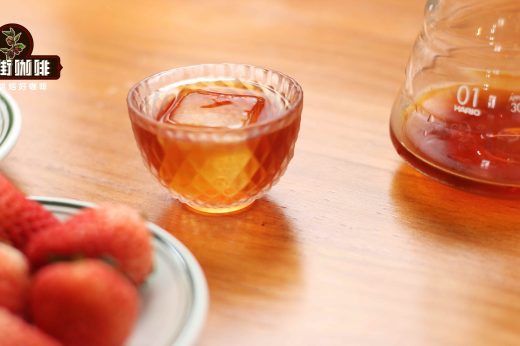
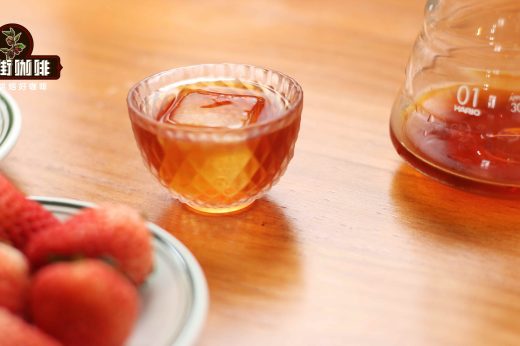
Iced coffee, with its refreshing and palate-cleansing qualities, maintains a stable consumer base even in winter. Compared with hot-brewed coffee, iced coffee uses low-temperature extraction, and its flavor release pathway differs significantly—this difference is not only reflected in temperature perception but also profoundly affects coffee's sweet-sour balance, body, and finish.
The prototype of modern cold brew coffee can be traced back to the European Age of Sail in the 16th century. At that time, Dutch sailors, unable to heat water for brewing at sea, tried steeping coffee grounds in cold water for long periods and unexpectedly found that the resulting drink was soft and smooth, far less harsh than traditional hot-brewed coffee. This accidental discovery spread globally through maritime trade and gradually evolved into today's mainstream cold brew process. It is worth noting that the ice drip extraction commonly seen in contemporary cafés (usually completed in 7–8 hours at a flow rate of 7–8 drops per 10 seconds), although also belonging to the low-temperature extraction category like cold steeping, often presents more delicate layers of flavor due to its special drip device design.
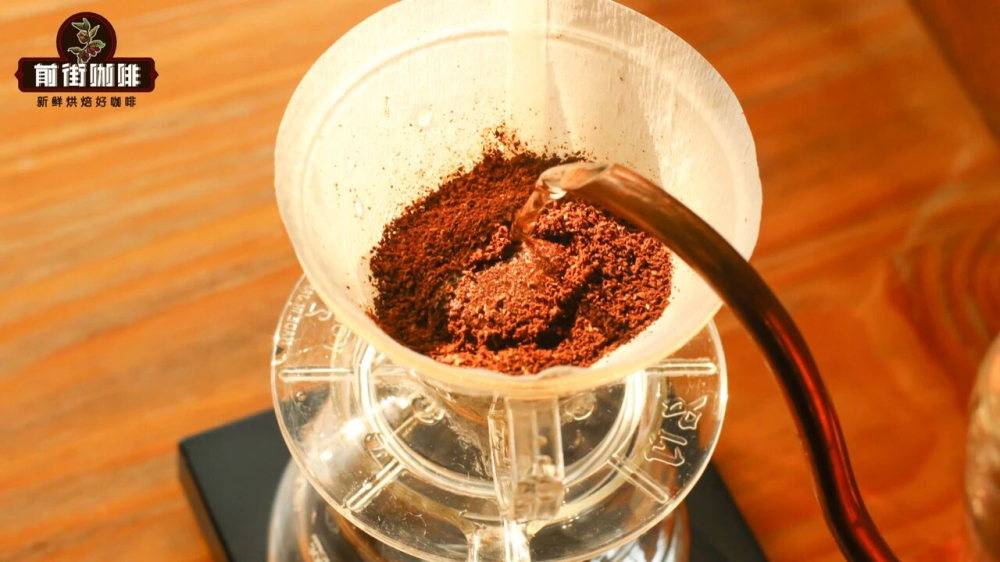
Whether cold brew or high-temperature brewing, water's core role as an extraction medium is irreplaceable. Water temperature directly affects the dissolution efficiency of acidic substances (such as citric acid and quinic acid), sweet components (such as sucrose derivatives), and bitter substances (such as chlorogenic acid degradation products) in coffee. Experimental data show that when the extraction temperature exceeds 93°C, the volatilization rate of aromatic substances increases exponentially, easily leading to excessive burnt bitterness; while below 85°C, it is difficult to effectively extract fat-soluble flavor compounds.
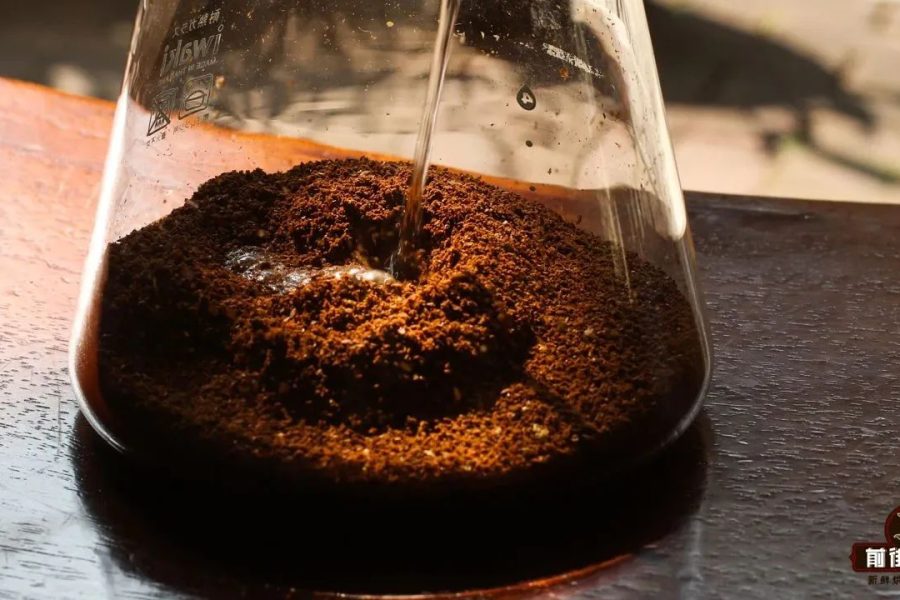
The cold brew process significantly slows the release rate of flavor substances by lowering the reaction temperature. Compared with hot brewing, which requires only 30–45 seconds for rapid extraction, cold brew requires coffee grounds to undergo a slow reaction in 4–8°C cold water for 12–14 hours. This long low-temperature steeping prompts coffee to release more low-molecular-weight flavor substances (such as fruity compounds) while inhibiting the dissolution of high-molecular-weight bitter components (such as tannic acid polymers). Specifically, during cold brew, volatile fruit acids (such as malic acid and lactic acid) are extracted first, followed by medium-molecular-weight sugar sweetness substances, and finally the high-boiling-point bitter components—this phased release characteristic gives cold brew coffee generally a cleaner mouthfeel and a longer finish.

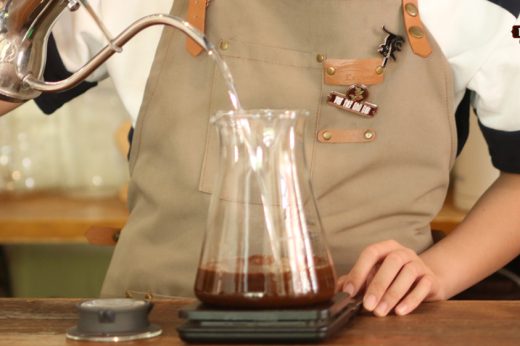
Regarding the concept that consumers often confuse between cold brew and iced pour-over, the essential difference between the two must be clarified: although iced pour-over ultimately presents an iced state, its initial extraction stage still uses hot water at around 90°C for rapid extraction (usually 2–3 minutes), followed by dilution and cooling with ice; cold brew, however, maintains a low-temperature environment throughout (4–8°C recommended), relying on extended steeping time to compensate for the low extraction rate caused by low temperature. In terms of flavor expression, iced pour-over retains more of the caramelized aroma and bright acidity characteristic of hot extraction, while cold brew highlights a rounder body and lower acidity impact.

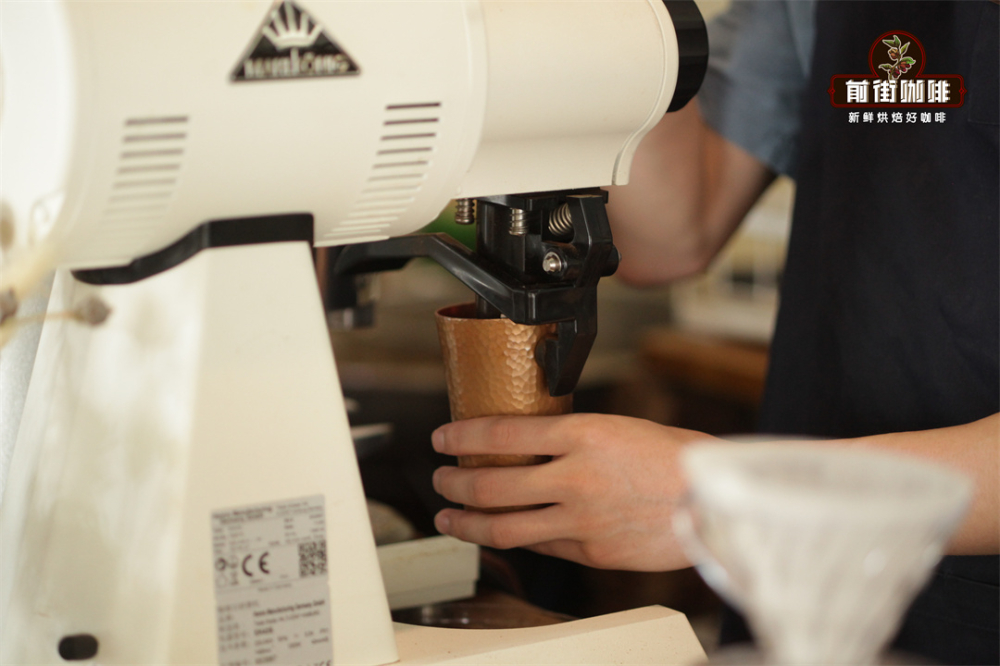
Making cold brew coffee at home only requires freshly roasted coffee beans, a professional grinder, and a sealed container. To obtain ideal flavor, focus on three core parameters:
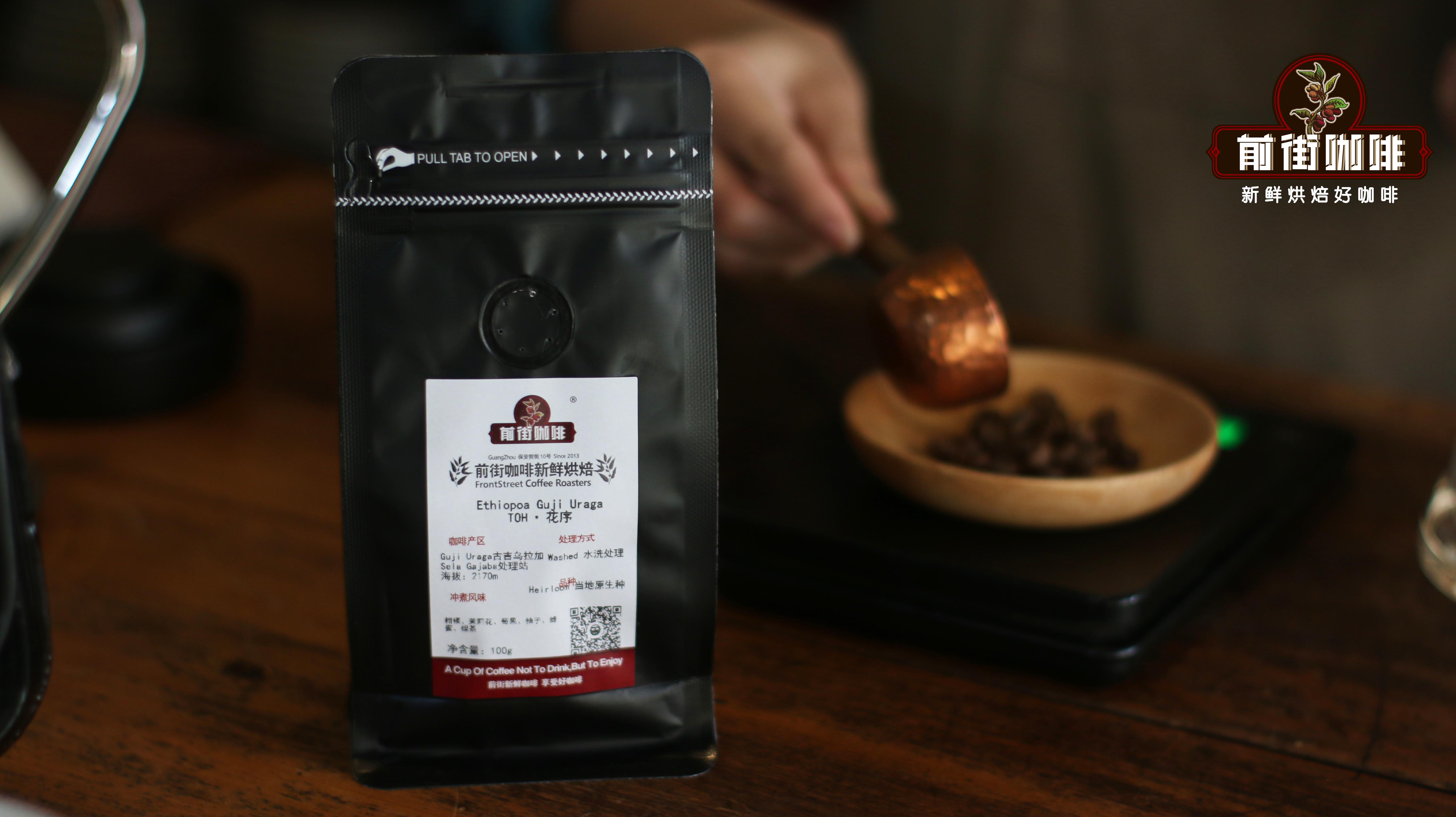
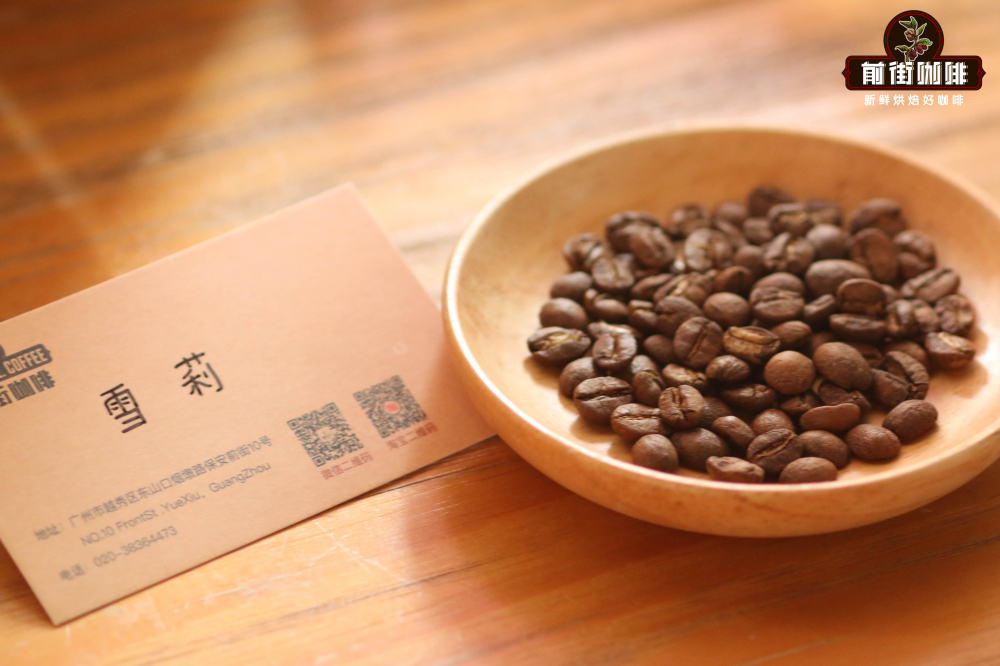
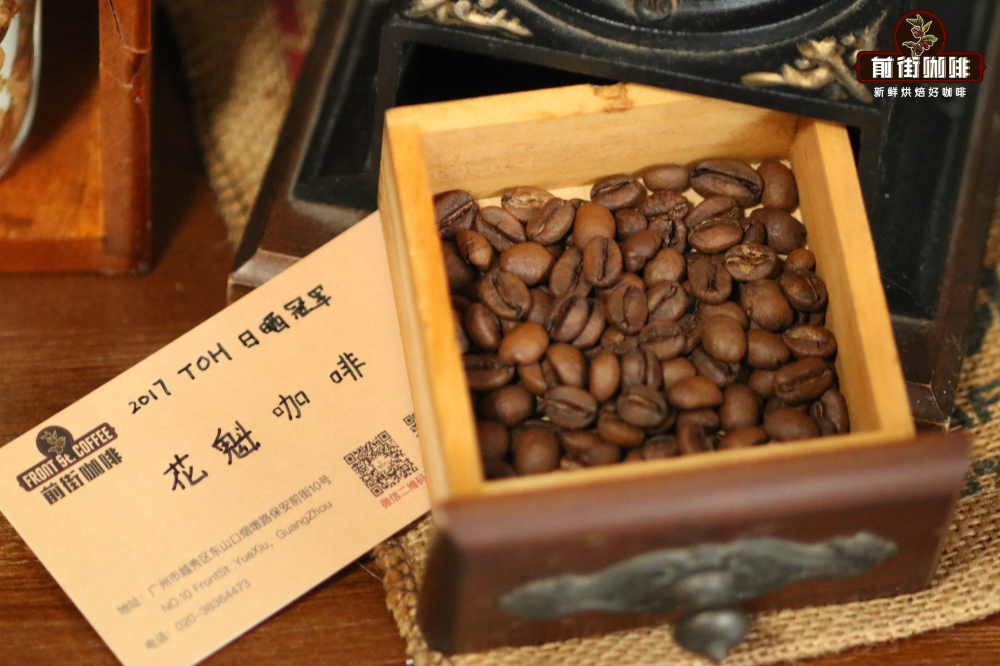
1. Coffee bean selection: Prioritize fresh beans within 4–7 days after roasting, when aromatic substances are at their peak. According to flavor preference, they can be divided into three categories: ①Floral-fruity refreshing type (such as Ethiopian washed beans, recommended to grind to 85% passing a No. 20 sieve); ②Fermented wine-aroma type (such as barrel-fermented beans, highlighting whiskey and vanilla notes); ③Fruity tea-rich type (such as natural process beans, emphasizing berry and black tea finish).
2. Grind and ratio: The grind size should be between pour-over and medium grind (about 80% of French press coarseness), with a recommended coffee-to-water ratio of 1:10 to 1:12 (for example, 30 grams of coffee to 300–360 milliliters of water).
3. Timing and storage: The optimal steeping time is 12±2 hours; exceeding this can easily cause over-extraction and astringency. It is recommended to use a glass jar with a sealed lid, then transfer to the refrigerator after completion and consume within 72 hours to maintain flavor freshness.