Buyer's Guide to Home Coffee Drippers: Resin vs. Glass vs. Ceramic and Pour-Over Practice
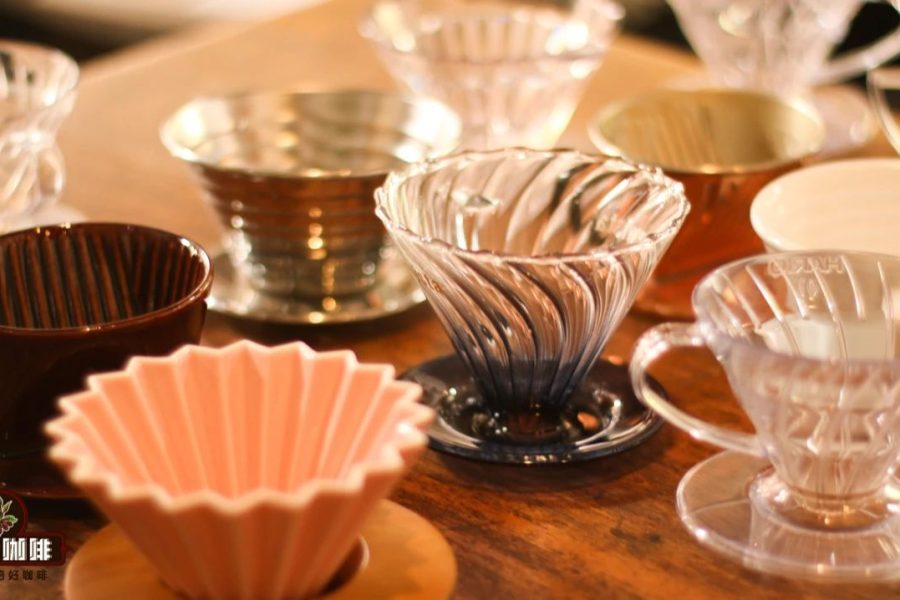
Introduction: Faced with V60 drippers in resin, glass, ceramic and other materials on the market, beginners are often confused by the price differences and how brewing results vary. This article compares the heat retention, flow and flavor performance of three mainstream materials through measured data, and includes detailed brewing parameters and buying advice to help you pick a cost-effective entry-level tool that fits your needs.
Friends new to pour-over coffee often ask: "I just want a basic V60 dripper—why are there so many materials like resin, glass and ceramic to choose from? The prices differ quite a bit too. Does the brewed coffee really taste different?" In fact, drippers of different materials not only affect the handling experience but also indirectly change how the coffee's flavor presents itself through temperature control and water flow rate.
Today's mainstream V60 drippers fall into three material categories: resin, glass and ceramic. Their core differences lie in heat retention and flow efficiency (there are also portable aluminum and high-end brass versions, but as they are not mainstream, this article does not cover them). Next, through actual brewing tests, we'll help you understand the real performance of these materials.

The test used washed Ethiopian Yirgacheffe Gutingting coffee beans with these parameters: 15 g dose, 91°C water temperature, medium-fine grind (similar to fine granulated sugar), 1:15 coffee-to-water ratio, and the classic two-pour method. We focused on monitoring the temperature changes throughout the process, from preheating to the end of extraction, for each material.
[Heat Retention Test] We compared four sets of temperature data for drippers both unheated and fully preheated: the initial temperature of the coffee bed when not rinsed, the temperature during the bloom, the temperature during pouring, and the final brewed coffee temperature at the end of extraction.
Without preheating, the resin dripper had the lowest initial bed temperature (28.6°C), glass was 29.1°C, and ceramic was highest (44.3°C). As brewing progressed, the ceramic dripper reached 83.7°C during the bloom, rose to 87.5°C during pouring, and kept the final coffee temperature at 87.2°C, clearly higher than the other two materials. The resin dripper had the smallest temperature fluctuation throughout, with a final coffee temperature of only 83.2°C.
After the drippers were fully preheated, ceramic still held its advantage—the initial bed temperature reached 44.5°C and the final extraction temperature was 87.1°C; glass came next with a final temperature of 83.4°C; resin was lowest (83.1°C). Note that because ceramic absorbs heat quickly and has greater thickness, a higher water temperature is needed to ensure even heating overall.

[Flavor Differences] In actual brewed flavor, coffee from the resin dripper showed distinct floral notes and citric acidity, sweetness close to cane sugar, and a fresh finish of green tea and almond; the glass dripper highlighted jasmine aroma and honey-like soft sweetness, while also retaining layers of green tea and almond; coffee brewed in the ceramic dripper had a fuller body, capturing white floral and pomelo-like fruit aromas, but the finish carried a slight green astringency.
Looking at how temperature affects flavor: because resin and glass drippers dissipate heat faster, the bed temperature rises in stages during pouring and quickly falls back after pouring stops, forming a wave-like temperature curve that helps flavor compounds with different temperature sensitivities release in stages. The ceramic dripper maintains a consistently higher temperature, which may cause some compounds to be over-extracted—one reason its finish tends toward astringency.
[Flow Performance Observation] Although all three drippers use a spiral rib structure to guide airflow, the actual feel and effect differ. The ribs on the resin and glass drippers are more pronounced, and after rinsing, a larger gap forms between the filter paper and the dripper wall, giving better water flow—especially suited to light or medium roasts where you want layered flavors. The ceramic dripper's ribs are relatively rounded and smooth, so the wet filter paper clings more closely to the wall, the airflow channels are narrower, and the flow is slightly slower—better suited to dark roasts or beans with a pronounced body that need a rich mouthfeel.

Taking all indicators together, the resin dripper, with its drop resistance, durability and affordable price (usually 20–50 yuan), is the first choice for beginners. The glass dripper (about 50–150 yuan) is transparent and offers balanced heat dissipation, suiting users who like to watch the brewing process. The ceramic dripper (100–300 yuan) retains heat excellently but needs thorough preheating and is fragile, making it better for coffee lovers with a bigger budget and a preference for a full-bodied taste.
Buying tips: if you often brew dark roasts or beans that need a full mouthfeel, give priority to a ceramic dripper; if you value the look of your gear and balanced heat dissipation, glass is a good choice; if your budget is limited or you worry about mishandling, a cost-effective resin dripper fully meets basic needs. Remember to adjust your preheating method and grind size to the material's characteristics to get the best performance from your dripper.