Pour-over pouring techniques: circle vs center pour and extraction
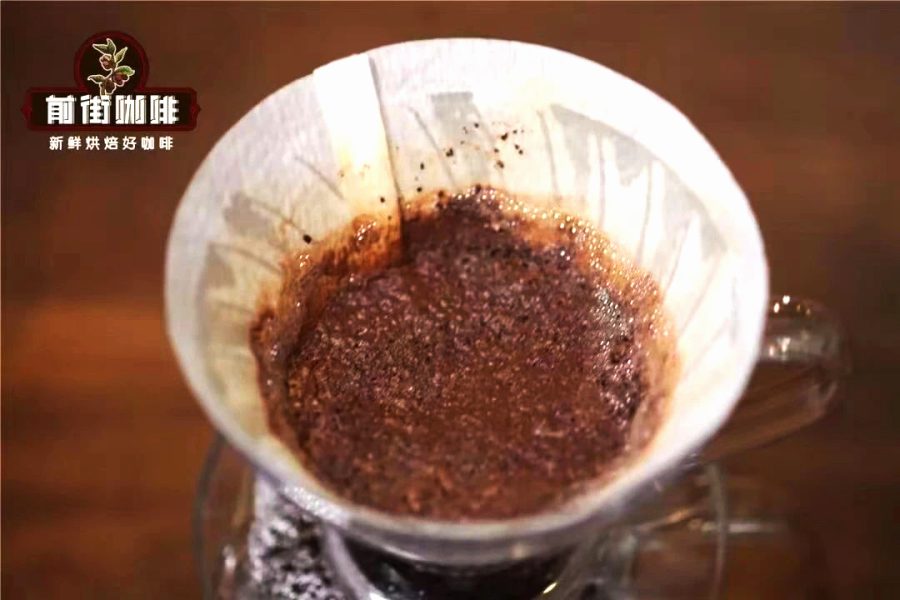
Introduction: The flavor expression of pour-over coffee is closely related to the pouring method. By comparing the actual effects of circle pouring and center-point pouring, this article analyzes in depth how the two techniques affect disturbance of the coffee bed, extraction evenness and the final flavor. Starting from problems common among beginners, it explains key parameters such as pouring height and water flow stability in detail, and offers practical tips for avoiding channeling, helping you master a more stable pour-over foundation.
Among the many pour-over techniques, the pouring method is the most frequently discussed yet also easily confusing element. Many beginners often struggle with "my brew doesn't taste good." In fact, besides the coffee beans themselves, the pouring technique and its parameter combinations are the key factors affecting the final flavor. For beginners just starting with pour-over, mastering compatible basic parameters is more important than pursuing complex techniques.

Looking at how professional coffee shops brew, circle pouring is the most common choice, but quite a few baristas also use center-point pouring. What exactly is the difference between these two methods? Through practical demonstrations, it can be seen that center-point pouring easily causes water flow disturbance—when the angle of the water column deviates slightly, the movement of the water in the coffee bed gets out of control. A typical phenomenon is that the water strikes the bottom and then flows back along the pouring direction, forming a local channeling effect and leaving the coffee wall uneven, thin on one side and thick on the other.

In comparison, circle pouring keeps the coffee wall thickness even, effectively reducing the risk of channel formation. This technique continuously moves the pouring point so that the water passes evenly through the entire coffee bed, achieving a more stable extraction. Note that when pouring in circles you should maintain a slow, steady and vertical water flow, avoiding excessive movement that would disrupt the structure of the coffee bed.

In principle, circle pouring actually acts somewhat like stirring. Just as you need to stir instant granules with a spoon to help them dissolve, the moving water during pour-over continuously turns the coffee bed, promoting the even release of flavor compounds. But note that the stirring intensity needs moderate control—an overly aggressive flow will keep the coffee liquid spinning and may extract unwanted bitter compounds, similar to the principle by which water is flung out during the high-speed spin cycle of a washing machine.

Another mistake beginners often make is pouring directly onto the filter paper. This not only easily destroys the carefully built coffee wall but may also let water pass straight through to form a channel, causing local under-extraction. Beginners are advised to pay special attention during practice: keep the water column falling vertically and avoid touching the edge of the filter paper. At the same time, control the flow rate to ensure the coffee bed has enough time to make full contact with the water.

As for pouring height, there are two common approaches: pouring slowly close to the liquid surface, or raising the kettle appropriately to increase impact force. Each has its pros and cons—low pouring (about 2-3cm height) keeps the water temperature stable (compared with 8cm height, it drops only about 0.7-1°C), but you need to adjust the kettle angle to avoid a tilted stream; high pouring, though stronger in impact force, easily causes excessive disturbance of the coffee bed. Beginners are advised to start practicing from a moderate height of 2-3cm, which ensures a stable flow without excessive heat loss.

As for the choice of pouring direction, whether circling clockwise or counterclockwise, simply keep pouring continuously in a single direction. Some discussions link this to the spiral ribs of the V60 dripper, arguing that a particular direction better guides the water flow, but these are more advanced topics. For beginners, what matters more is maintaining a steady pouring rhythm and even coverage of the coffee bed; the influence of direction choice is relatively limited.