SOE vs. Single-Origin Beans: A Beginner's Guide for Coffee Lovers
Introduction: Now that specialty coffee is becoming more widespread, have you ever seen an SOE option on a menu and not known how to choose? This article explains the definition and characteristics of SOE coffee in depth, compares SOE with regular single-origin beans and blended beans in detail, discusses whether it is suitable for making Americanos or espresso, and offers buying advice and flavor references to help you find the coffee beans that best suit your personal taste.
Walking into a modern coffee shop, the rich and varied menu often makes it hard to decide, and even for the most common Americano or latte, the server may ask, "Would you like SOE or a blend?" If the term SOE is unfamiliar to you, follow along as we explain what it means and what makes it special.
SOE stands for Single Origin Espresso, literally espresso made from a single origin, meaning espresso made using only a single variety of coffee beans from the same region or farm. Before the SOE concept became popular, most coffee shops used blended beans made by mixing coffee beans from multiple regions to make espresso; the advantage of doing so was that it ensured the stability of each cup's flavor while also controlling costs.
So why has SOE become so popular in recent years? In fact, the concept of SOE can be traced back to the 2007 World Barista Championship (WBC), when a champion competitor used single-origin coffee beans to make espresso and defeated opponents using traditional blended beans, which drew the industry's attention to SOE. Since then, SOE has gradually become a new way for baristas to explore flavor expression and has gained recognition worldwide.
In China, SOE's popularity grew as specialty coffee culture rose and it gradually became known to the public. More and more consumers are no longer satisfied with blended coffee whose flavor is unremarkable; they want to experience coffee's unique and distinct character no matter which brewing method is used, which has also prompted many coffee shops to start offering SOE options.
So how does espresso made with single-origin coffee beans differ from espresso made with blended coffee beans? In the past, baristas often blended coffee beans from different regions to balance out some undesirable flavors that single-origin beans might amplify under very fine grinding and high-pressure extraction, achieving a more balanced mouthfeel by having different beans complement each other's strengths. The advantage of blended beans is also reflected in their stability: even if the flavor of coffee beans changes from one harvest season to another, the consistency of the final product can be maintained by adjusting the blend ratio, which to some extent also helps control costs.
In recent years, however, with improvements in coffee cultivation and processing techniques, the supply of high-quality single-origin coffee beans has become increasingly abundant and prices have gradually become more affordable, making it possible to use high-quality single-origin beans to make espresso. Some baristas and coffee enthusiasts have found that certain single-origin beans with distinctive flavors can, under suitable roasting and extraction conditions, display unique flavors with great complexity, which has driven the revival of SOE.

But it should be made clear that SOE espresso is not necessarily better tasting than blended espresso. Making espresso with single-origin beans places high demands on the quality of the beans themselves, on roasting skill, and on the barista's understanding of the beans. Not all single-origin beans are suitable for making SOE; for example, some light-roasted coffee beans may show rich floral notes, citrus acidity and berry sweetness in low-pressure extraction methods such as pour-over, but under the high-pressure extraction of an espresso machine these characteristics may become sharply sour and astringent, and the mouthfeel may seem thin.
Therefore, to make a high-quality SOE, it is usually recommended to choose medium-dark or dark roasted coffee beans. The darker the roast, the weaker the acidity in the coffee, while body and sweetness increase, making it easier to present a balanced and full flavor in espresso.
So which single-origin coffee beans are suitable as raw material for SOE? Based on years of practice and flavor evaluation, the following three types of single-origin beans perform relatively well in SOE applications:
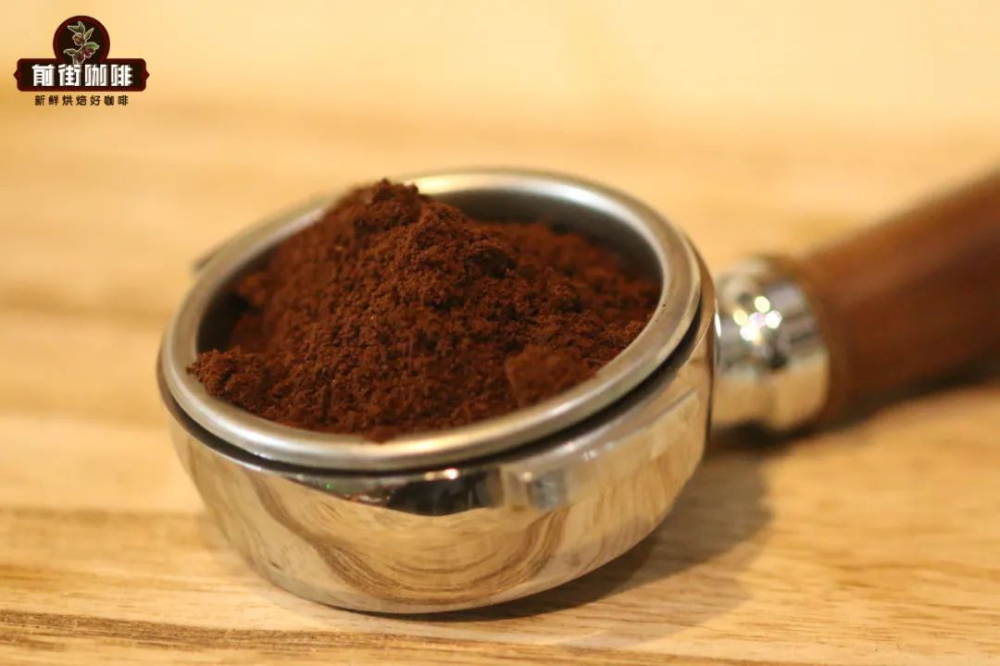
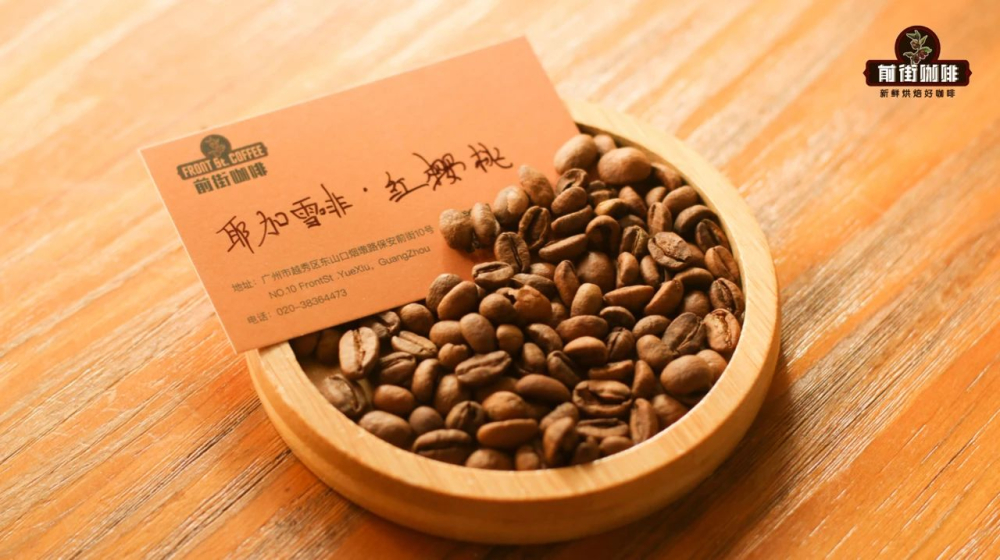
First are medium-roasted Yirgacheffe natural-process coffee beans; these beans usually have bright berry notes and moderate caramel sweetness, and the espresso extracted has fine crema, balanced acidity and sweetness, and a fresh flavor that still has layers.
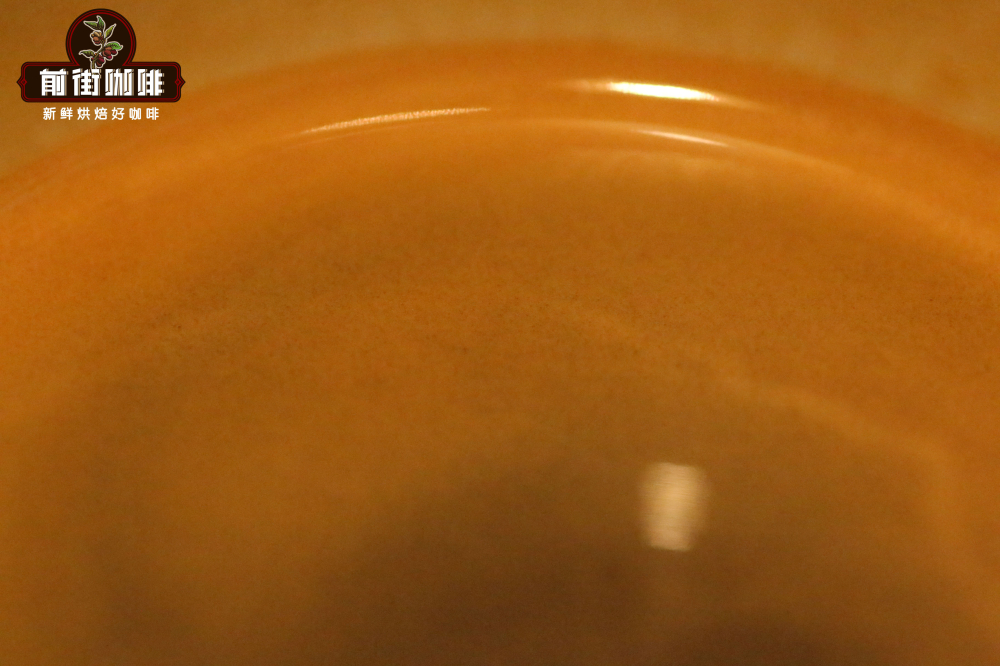
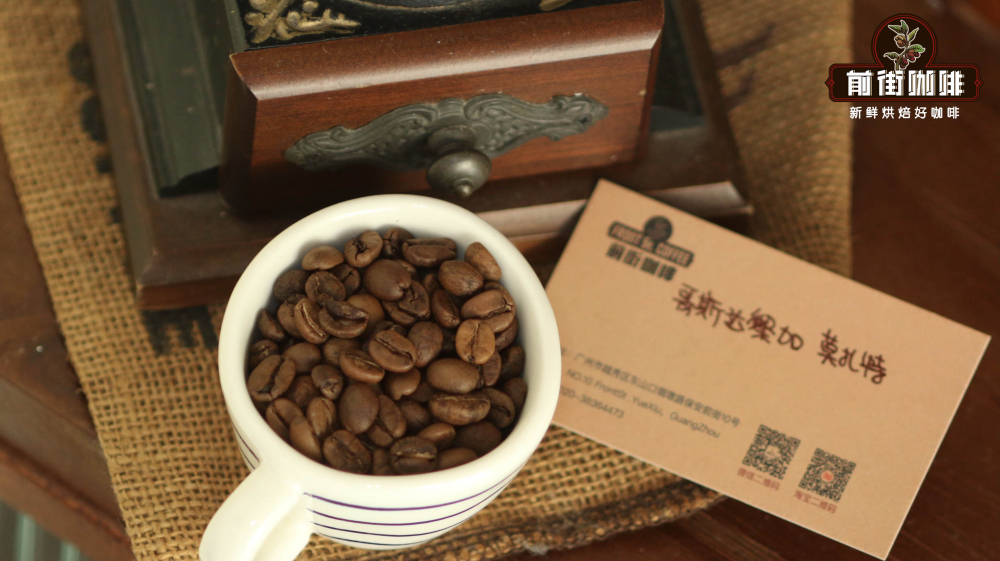
Second are medium-roasted coffee beans from Central and South America, such as some beans from Costa Rica, which often have complex aromas of raisin and fruit fermentation, with crema showing a soft pale yellow; the entry is noticeably acidic and sweet, suitable for drinkers who like prominent fruit notes.
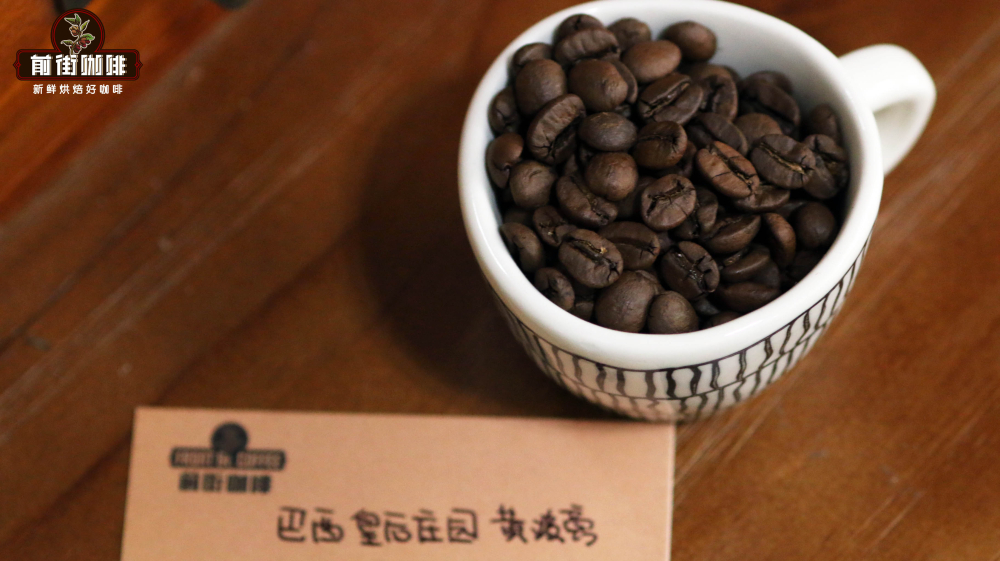
Finally are medium-dark roasted coffee beans from regions such as Brazil; these beans often have obvious roasted nut and cocoa aromas, the crema on the espresso is golden yellow, the mouthfeel is full-bodied and smooth with a creamy texture, and they are a classic choice for many espresso lovers.