Why SOE Americanos and Lattes Taste Sour: A Guide to Specialty SOE
Introduction: In recent years, SOE (Single Origin Espresso) has gradually become a hot topic in the specialty coffee world. Many customers wonder when ordering: how does an SOE americano differ from a traditional blend? Why do some SOE lattes and iced americanos taste more sour? This article takes a deep look at the origins and flavor characteristics of SOE coffee, analyzes why it has become popular, and shares practical SOE extraction parameters and home-brewing tips to help you better understand this specialty coffee trend.
In recent years, more and more cafés in China have started offering SOE coffee products, and many customers ask about SOE options as soon as they walk in. SOE stands for Single Origin Espresso—literally "single origin espresso," meaning espresso made from coffee beans from a single origin. This contrasts with the common blended coffee beans (a mix of beans from multiple regions). Yet the significance of SOE goes far beyond its literal definition; its rise in fact reflects a growing pursuit of personalized flavor and higher quality in coffee.
Many people mistakenly assume that SOE equals high quality, but this is not the case. What determines the final flavor of coffee is the growing, processing and roasting of the beans, not whether they come from a single origin. Single origin coffee emphasizes a clear source, usually from a specific region or even a farm, with the original intent of letting consumers experience the unique terroir of different origins. In blended coffee, roasters usually combine beans from multiple regions to balance the taste, ensure consistent output or control costs. Neither is inherently superior; the key is whether the roasting and processing are done properly.
Looking back at China's coffee consumer market, according to 2021 survey data, among the main motivations for drinking coffee, "staying alert" accounted for 53.1%, "liking the taste of coffee" for 52.2%, and "enjoying the environment and service" for 31.3%, while only 18.9% was out of habit. This shows that in China, the functional need for coffee and the flavor experience remain mainstream, and espresso still holds an important place in the market.
Traditional espresso often leaves people with an impression of burnt bitterness and intensity, which is often related to dark roasting and the use of a high proportion of robusta beans. In pursuit of a full-bodied taste and rich crema, many espresso blends sacrifice flavor complexity, making the coffee one-dimensional and even carrying a scorched note. Over time, consumers formed a stereotype of espresso as "bitter, astringent and heavy." The promotion of SOE emerged against this backdrop, attempting to break this fixed perception and reshape consumers' experience of espresso with the distinct flavors of a single origin.

In some mature coffee markets, such as Australia, many cafés set up multiple espresso grinders, using different beans for different coffee types. For example, classic americanos and lattes may use a traditional blend to ensure consistency and crema performance, while flavor-focused drinks such as the Flat White tend to use SOE to highlight the unique character of a certain origin. As market demand for coffee flavor diversity grows, some brands even offer multiple SOEs for customers to choose from, further driving this trend.

In recent years, SOE series launched by some well-known coffee brands—for example, espresso based on popular origins such as "Huakui"—have also helped popularize SOE to some extent. For cafés, introducing SOE not only helps enhance brand image but also attracts customers with more distinctive flavors. Small independent coffee shops in particular can often quickly build reputation and memorability through a single SOE with a standout flavor.
For consumers, they may not deeply understand the definition behind SOE, but when they drink a cup that is brighter and more fruity or floral than usual and are told it is SOE, they often come away with a strong impression of this "better-tasting" experience. In addition, the common sales strategy of "an extra charge to upgrade to SOE" psychologically reinforces the impression that SOE equals "higher quality."

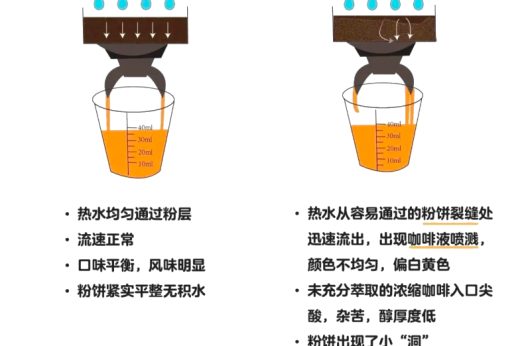
However, it should be noted that SOE is not simply "making espresso directly from pour-over-grade single origin beans." Many consumers trying to make espresso at home with so-called "SOE" beans for the first time often encounter problems such as spraying, extreme sourness and an undrinkable result. This is often not an operational issue but rather that the roast level of the beans is unsuitable for espresso extraction. Pour-over and espresso have quite different roast requirements, and directly repurposing beans often backfires.

Professional SOE coffee beans have their roast profiles specially adjusted during roasting to suit the high-pressure extraction environment of espresso machines. Therefore, when choosing SOE, be sure to confirm whether the beans are an "espresso roast" version. If you want to try making SOE americano or latte at home, it is advisable to choose single origin beans designed specifically for espresso and pay attention to their roast level and flavor description.

The following are practical reference parameters for making SOE espresso at home, using the common Ethiopian natural Huakui as an example:
Coffee beans: Ethiopia natural Huakui
Dose: 20 g
Yield: 40 g
Dose-to-yield ratio: 1:2
Extraction time: 26–33 seconds
Grind setting: medium-fine (a home grinder setting of around 2.0 can be used as a reference)
The suggested procedure is as follows: first ensure the espresso machine's pressure is stable; a home model should reach at least 9 bar. Distribute 20 g of coffee grounds evenly into a double basket, keeping consistent pressure when tamping to ensure even extraction. Before extraction, run a small amount of hot water to wet the group head to improve extraction efficiency and clean away residue. Then begin the actual extraction, watching the coffee yield and time on the scale, and stop when it reaches 40 g of espresso liquid within 26–33 seconds.

To make an SOE americano, add an appropriate amount of iced water or hot water at around 80°C to the finished espresso according to personal taste. For example, adding 100 ml of room-temperature water or ice to dilute it yields a cup of bright-flavored SOE americano. If you choose to make a latte, a 1:6 dose-to-yield ratio is recommended, i.e., 40 g of espresso paired with 240 g of milk, keeping the milk temperature between 50–65°C when steaming to obtain smooth, fine microfoam and a balanced taste.

Finally, a reminder: no matter which extraction method you use, the freshness of the coffee beans is crucial. Beans roasted more than a month ago gradually lose their aromatic compounds and may even develop unpleasant woody off-flavors. To ensure the best flavor, choose fresh beans with a roast date within 5 days. Check the roast date when purchasing and make sure to use them within a week of arrival to fully experience the rich layers and unique flavors of SOE coffee.