The Complete AeroPress Guide: Inverted and Standard Methods with Brewing Parameters
Introduction: As a creative coffee device blending the traits of pour-over and espresso, the AeroPress is favored by coffee enthusiasts for its unique design and versatile extraction methods. This article fully explains the AeroPress's structure and principles, breaks down the complete procedures of the two mainstream brewing methods—standard and inverted—provides precise recommendations for grind size, water temperature and timing, and shares key techniques and common pitfalls from practice, helping you easily master the brewing essence of this device.
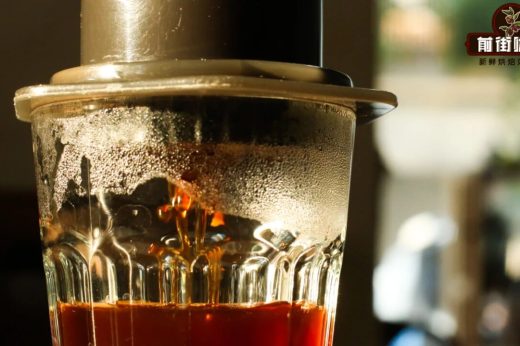
The AeroPress's appearance is often described as a 'coffee syringe,' and its distinctive shape makes its purpose hard to guess at a glance. In fact, this device combines the immersion concept of a French press, the paper filtration of pour-over and the pressurized extraction principle of espresso. It not only produces coffee with a clean, pure taste but has also spawned professional-level brewing competitions. By delving into its construction and operating logic, you'll find it is a home specialty coffee tool with great potential.
Structurally, the AeroPress consists mainly of three parts: the chamber, the filter cap and the plunger. It comes with special round paper filters, a stirrer and a funnel. Its working principle is simple: after coffee grounds and hot water are thoroughly stirred and mixed, pressing the plunger compresses the air, forcing the brewed coffee through the paper filter to create a drink with stable flavor.

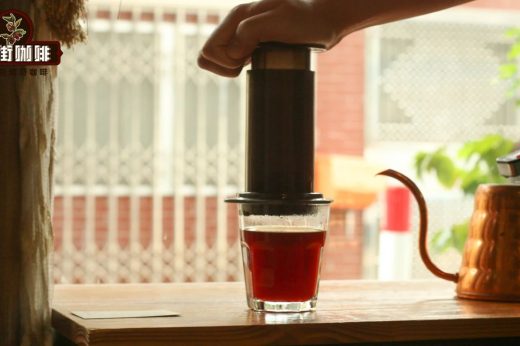
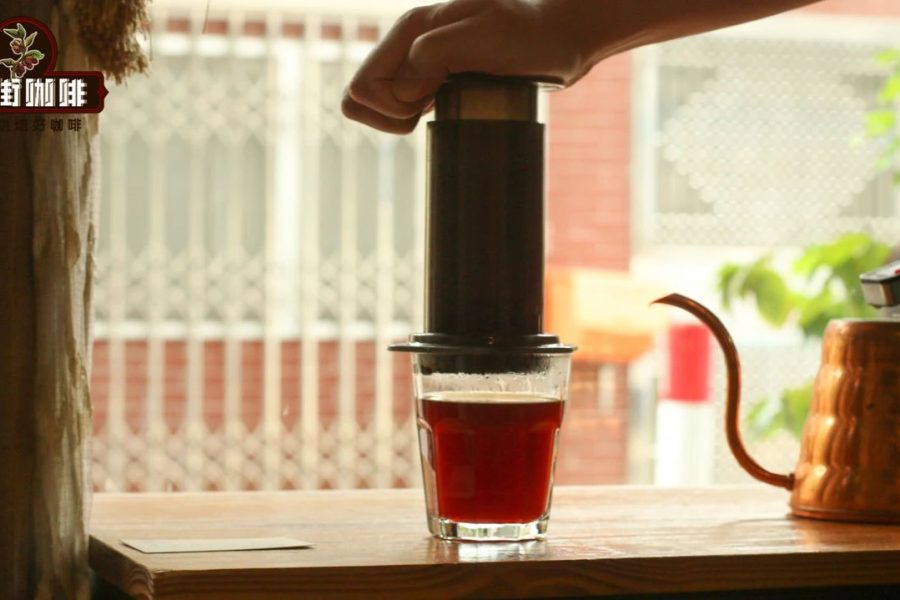
AeroPress brewing methods fall into two types: standard and inverted. In the standard method, the chamber is placed upright on top of the cup, ground coffee and a measured amount of hot water are added in sequence and stirred, then the plunger is inserted and pressed down to complete extraction. In the inverted method, the plunger is first fitted onto the chamber and the whole unit is turned upside down; coffee grounds and hot water are added and stirred, the filter cap is attached, and then the chamber is flipped over for pressing and extraction. Each method has its own characteristics and suits different operating habits.

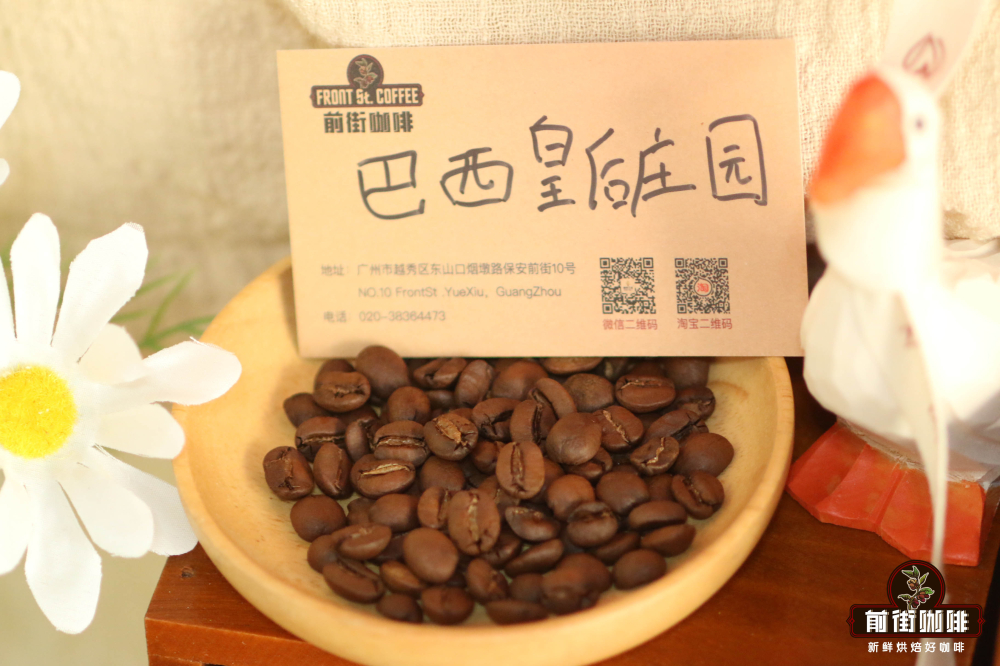
Take a medium-dark roasted Yellow Bourbon coffee as an example (this variety is common in the specialty coffee market, with nutty and roasted peanut aromas and an oily finish). When using the AeroPress, pay special attention to parameter control—because extraction time is extremely short, it is recommended to set the grind finer than for regular pour-over (close to powdered sugar in texture, about 85% passing a No. 20 standard sieve), and to keep the water temperature around 90°C; this is the key to ensuring balanced flavor.

Standard method step by step: First, wet the round paper filter and fit it snugly inside the filter cap; then attach the filter cap to the chamber and place it upright on the receiving cup; add 15 grams of ground coffee through the funnel; start the timer and pour hot water up to the '④' mark on the chamber; stir gently with the stirrer to ensure all coffee grounds are fully saturated; quickly insert the plunger (note that this step must be done fast, because in the standard position coffee will keep dripping into the lower cup and affect the final strength); after pouring, stirring and inserting the plunger, wait 1 minute for initial extraction; finally, press the plunger down at a steady speed to force the coffee into the lower cup. The entire standard process takes about 1 minute 20 seconds.





Inverted method step by step: First, push the plunger to the '④' mark on the chamber and place the unit upside down on the table; add 15 grams of coffee through the funnel; start the timer and pour hot water until the chamber is full; stir with the stirrer until the surface is an even golden color; quickly attach the filter cap and flip the chamber onto the filter cup (this move must be decisive to avoid coffee spilling); let it steep for 1 minute; finally, press the plunger so the coffee is filtered and pressed into the receiving cup. The total time is likewise about 1 minute 20 seconds.






Based on practical feedback, the inverted method is friendlier to beginners and more consistent, because its procedure is relatively continuous and dripping is unlikely during the initial steeping stage. The standard method, while allowing more intuitive observation of the extraction, requires precise control of the rhythm of pouring and inserting the plunger, demanding slightly more operator skill. Whichever method you choose, proper control of grind size, water temperature and timing will let you make a cup of specialty coffee with rich layers of flavor using the AeroPress.