Where Does Coffee Aroma Come From? A Full Analysis of Pour-Over Flavor Compounds and Roasting Reactions
Introduction: Have you ever wondered why coffee's aroma is always so captivating, yet the taste may not be as wonderful as you imagined? This article takes you deep into the science of coffee aroma, from over 1,200 volatile compounds to four major aroma categories, analyzing how pour-over coffee develops floral, fruity, caramel and other flavors at different roast levels. Learn the difference between the dry aroma released during grinding and the wet aroma after brewing, unravel the common experience of 'smelling great but tasting flat,' and come to better understand coffee's sensory appeal.
Coffee's charm often begins with that captivating wisp of aroma. Even people who don't drink coffee regularly are drawn in by the dry aroma released when coffee is freshly ground, or the wet aroma rising from the cup after brewing. Compared with the bitter taste of drinking coffee directly, these invisible fragrances are more often the first point of contact people have with coffee.

For a long time, dark-roasted coffee shaped the public's classic impression of coffee flavor—that complex aroma blending spices, roasted nuts, hazelnut, caramel and woody notes, often accompanied by pronounced bitterness. This dark-roast style once led many people to assume that coffee is simply a black drink that 'smells rich but tastes strong and bitter.'

With the rise of specialty coffee culture, light roasts have gradually entered the public eye. These coffees not only retain more of their original flavor layers but also present diverse tastes such as sour, sweet and salty. At the same time, their aromas have become richer and more varied: from fresh floral and citrus notes to sweet berry and tropical fruit aromas, and to soft sugary sweetness, the aromatic spectrum of light-roast coffee is far broader than traditional perceptions suggest.

Scientific research shows that coffee contains more than 1,200 volatile and semi-volatile aroma compounds, and these trace components together weave coffee's captivating scent map. For systematic study, international coffee organizations usually divide these compounds into four major categories: the enzymatic group, the caramel group, the dry distillation group and the defect group, each corresponding to different formation mechanisms and sensory characteristics.
Enzymatic group aromas originate from enzyme-catalyzed reactions during coffee's growth or processing, mainly contributing fresh, bright sweet-and-sour notes, such as elegant floral aromas, citrus fruit notes (such as lemon and peach), natural sweetness (such as honey) and even fresh vegetable notes (such as cucumber). These aromas are common in medium-light roasts and lay a lively foundation for the overall flavor.
Caramel group aromas form during the roasting stage through the Maillard reaction and caramelization, bringing a warm, rich sweetness. Typical examples include caramel, maple syrup, dark chocolate and various roasted nuts (such as almond and hazelnut). These compounds give coffee a mellow, full finish, especially prominent in medium-dark roasts.
Dry distillation group aromas originate from the carbonization of coffee fibers at high temperatures, producing a range of smoky and woody notes, such as spices (such as cinnamon), dry wood and smoked leather. These compounds are usually more pronounced at high roast levels, adding complexity and character to coffee.
Defect group aromas are unintended products, mostly caused by green coffee bean quality defects or roasting errors, such as rubbery notes, animal leather notes, earthy mustiness or rotten fruit notes. These undesirable odors significantly reduce coffee quality and are key points to avoid during tasting.

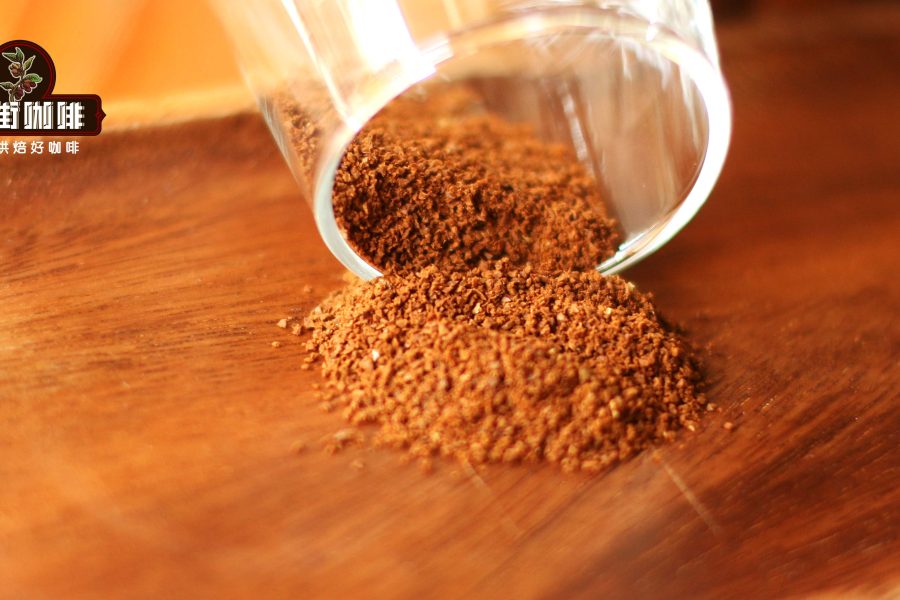
As for the question of 'why coffee tastes less aromatic than it smells,' the answer lies in the physical changes during grinding and brewing. When coffee beans are crushed into fine grounds, their surface area grows exponentially, and volatile compounds originally sealed within cell walls are released on a large scale, creating a highly penetrating dry aroma. At this point, without even leaning in, the whole room can be filled with coffee's fragrance—this is why many people are captivated by the aroma the moment beans are ground.

It is worth noting that the dry aroma simultaneously contains the fresh notes of the enzymatic group, the sweet aromas of the caramel group and the smoky elements of the dry distillation group, forming a richly layered olfactory experience. By contrast, the wet aroma after brewing (that is, the aroma of the coffee liquid itself) diffuses over a smaller range, and you need to bring your nose close to the rim of the cup to capture it clearly. Through the wet aroma, we can further identify specific flavor clues: for example, bright floral and citrus notes suggest a high-acidity coffee, while honey, grape or strawberry aromas indicate notable sweetness.

This phenomenon of 'pleasant aroma but a gap in taste' is essentially a mismatch between sensory expectation and actual experience. Humans are far more sensitive to smell than to taste; when a rich aroma raises high expectations, the actual complex flavors on the palate (including the balance of sour, sweet, bitter and salty) may not fully match the mental preset. Especially for first-time tasters, judging solely by aroma associations (such as assuming honey aroma means sweetness will dominate) often leads to cognitive bias due to coffee's inherent acidity or bitterness.

Finally, don't overlook the hidden 'retronasal olfaction' experience during drinking. When coffee liquid is atomized in the mouth, some aroma compounds travel backward through the airflow into the nasal cavity, forming another dimension of flavor perception. Although the intensity of this aroma traveling back through the throat is weaker, it adds depth to the overall flavor and is a link that cannot be ignored in professional tasting.


