Dirty Coffee Guide: Dark Roast Recipe and Why It's Popular
Introduction: Dirty coffee has become a new favorite among coffee lovers thanks to its unique layered effect and rich flavor. This article details the origins of this Italian-style coffee, the authentic preparation method, especially the techniques and parameters for the dark roast version, and analyzes in depth the four reasons it has swept the market. With this knowledge, you can not only recreate a professional-level Dirty at home, but also understand why it stands out among so many coffee drinks.
The world of Italian-style coffee is full of possibilities; simply through different combinations of espresso and milk, a great many surprising drinks can be derived. Among them, Dirty coffee, a category that has risen rapidly in recent years, is essentially a small-cup iced latte variation made without ice. This innovative drink creates a unique visual and taste experience through the collision of hot and cold.

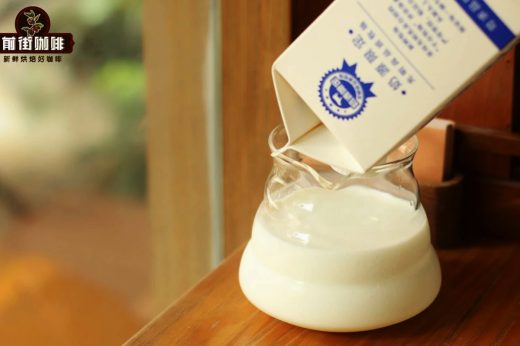
Making a standard Dirty coffee is not complicated. A pre-chilled 200ml glass is recommended; first pour in 160 to 170ml of thoroughly refrigerated fresh milk. When doing so, skim off the bubbles on the surface to ensure good looks. Hold the glass close against the espresso machine's extraction spout and pour in freshly extracted espresso directly. There is a key technique in this step: keep the glass as close as possible to the portafilter outlet, using distance control to slow the impact of the coffee liquid and thus maintain a clear layered effect.

The prototype of this layered coffee can be traced back to Beijing's coffee circles in 2014, when it was a niche attempt drawing on the techniques of Hong Kong baristas. After several years of development, as specialty coffee culture rose, this presentation combining hot espresso and cold milk gradually became popular, spawning several playful names such as "Amber," "Dirty," and "White Night," before finally settling on the vivid name "Dirty."
As for the true origin of Dirty, one must look to Tokyo, Japan. In 2009, barista Katsuyuki Tanaka launched the signature B.P Dirty at his café Bear Pond Espresso. The essence of this drink is a specially crafted espresso—"Angle Stain"—extracted visibly through a bottomless portafilter, with the coffee liquid running down the wall of the glass to form tear-streak trails, creating a unique visual aesthetic.

Tanaka's recipe uses dark-roasted coffee beans, paired with a large dose and an ultra-high concentration setting, combined with a lower extraction yield, giving the double espresso noticeable viscosity and a slow-sinking quality. This quality allows B.P Dirty to maintain its layered state for a long time even without pre-chilling the glass. However, this innovation did not initially spread widely in Japan itself; instead, it was improved and promoted by coffee professionals in Hong Kong and Thailand.

The popularity of Dirty coffee is no accident; its success stems from several key factors. First, it precisely captured the cultural trend of viral food and drink. Between 2018 and 2019, the "dirty-style" food trend was in full swing, and Dirty, which wins through visual impact, fit this trend perfectly. It is worth noting that early market understandings of the "dirty" concept were diverse; besides coffee, there were attempts to create a dirty look through milk foam and cocoa powder, while similar viral products such as the green matcha set have gradually faded from the market.
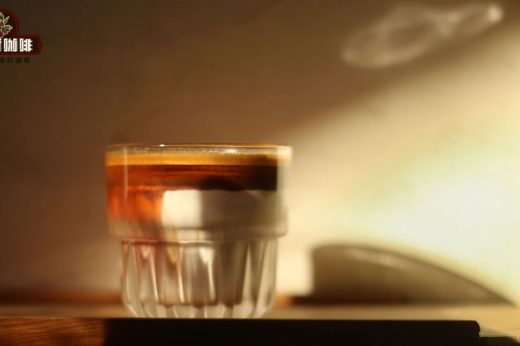
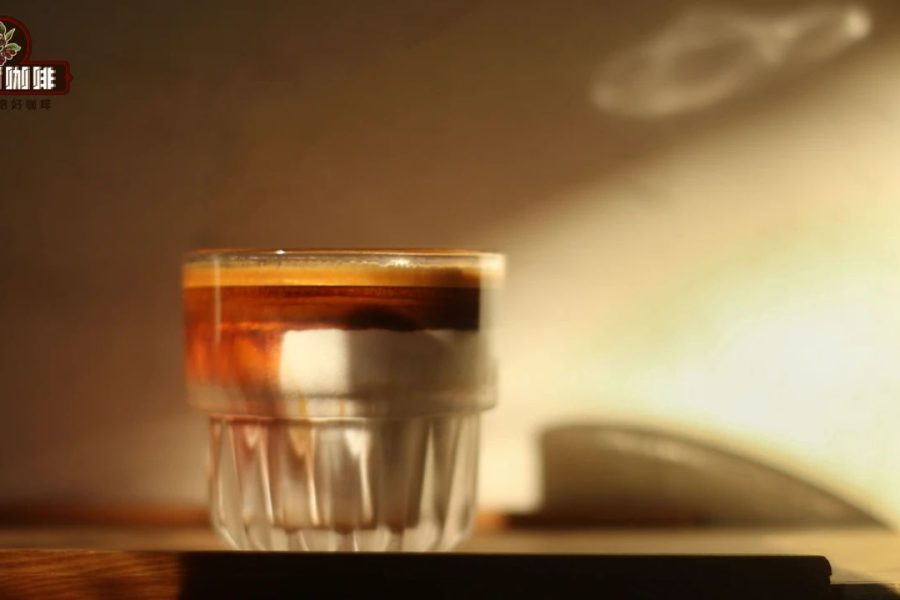
From the perspective of visual presentation, Dirty perfectly makes up for the aesthetic shortcomings of iced coffee. Compared with traditional lattes that can be decorated with latte art, iced coffee in a transparent glass often shows only monotonous gradations of color. Dirty, by contrast, creates a dynamic visual beauty through the process of hot espresso slowly seeping into cold milk—the process of dark liquid gradually diffusing across the white milk surface is highly photogenic, which is an important reason it has become a popular subject for social media photography.

The deeper appeal lies in its distinctly layered taste experience. Unlike ordinary layered iced lattes, Dirty deliberately keeps each layer independent, encouraging the drinker to experience the gradual changes: the first few sips deliver the intense impact of hot espresso, with a small amount of cold milk providing a temperature buffer; next comes the transition zone between coffee and milk, presenting a complex flavor similar to milk chocolate; the final stage of cold milk brings a refreshing finish. The entire drinking process is completed in 3-4 sips, achieving a complete taste journey from rich to refreshing, from blazing hot to ice cold.

For enthusiasts pursuing dark roast flavor, pay special attention to adjusting extraction parameters. When using medium-dark roasted coffee beans, it is recommended to grind finer, close to the espresso standard, keep the dose-to-yield ratio within 1:2, and keep the extraction time in the 20-25 second range. The pre-chilling step is crucial; it is recommended to refrigerate the glass for at least 15 minutes, or pre-chill with ice cubes and then pour them out. The milk temperature should be kept below 4°C, which maximizes the duration of the layers, typically up to 3-5 minutes without mixing.