The Complete Guide to Eisbock Dirty Coffee: Layering Techniques and Home-Made Tips
Introduction: Want to understand the unique appeal and making of Eisbock Dirty coffee? This article takes a closer look at the origins of this popular coffee drink, the concentration principle behind Eisbock milk, and how to make Eisbock milk at home with simple tools. Master the layering techniques and flavor-pairing secrets, and you can enjoy a professional-level Eisbock Dirty experience at home.
As a coffee drink that offers both a visual and a taste experience, Dirty coffee is characterized by distinct layers of coffee and milk that are not stirred together. This unique way of drinking originated from the "dirty food" culture that became popular in 2018; the stark contrast between dark espresso and white milk creates a taste journey that is intense first and gentle afterward.

Whether Dirty coffee must use Eisbock milk is a common misunderstanding. In fact, the core of Dirty lies in the layering effect and the way it is drunk, not a specific type of milk. However, because of its unique concentration and mouthfeel, Eisbock milk does pair exceptionally well with Dirty coffee.

Dirty coffee is essentially a latte variant that emphasizes a visually layered effect; its main difference from a regular iced latte is the temperature treatment and the layered presentation. A traditional iced latte usually includes ice cubes and is thoroughly mixed, while a Dirty keeps hot and cold layers separate: first you taste the rich espresso, then the gentleness of the milk, and finally the natural sweetness of lactose.

The Eisbock technique originally comes from German beer brewing, where water is separated by controlling the freezing and thawing process to increase the concentration of the liquid. In 2017, this technique was first applied in the coffee field at the World Barista Championship, and then in 2018 Chinese baristas innovatively used it for milk purification, raising the concentration of ordinary milk from 11-12% to 20-21%.

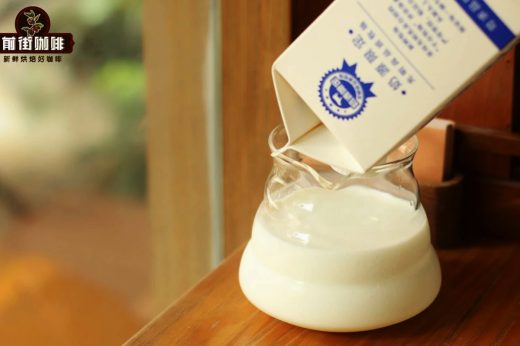
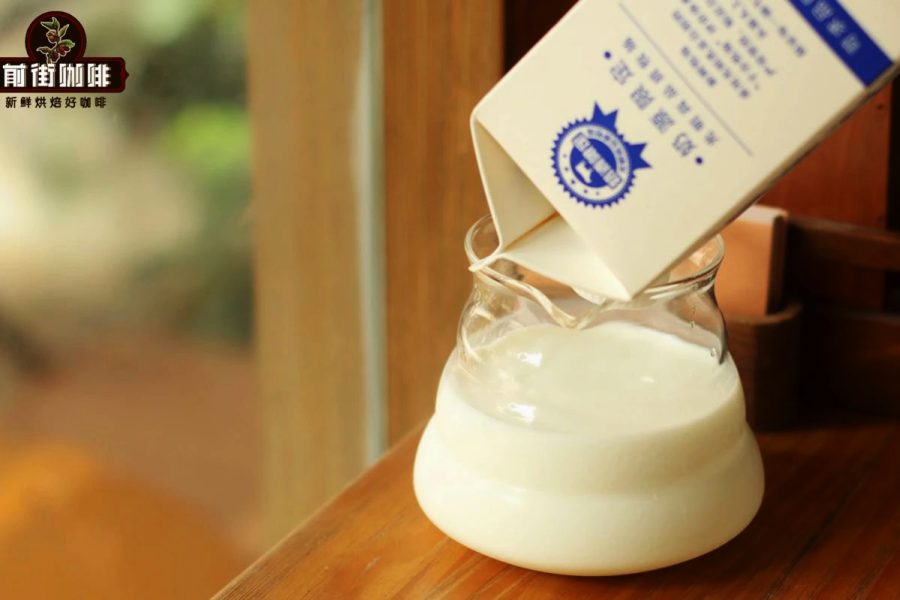
The home method for making Eisbock milk is relatively simple but requires patience: freeze a whole carton of fresh milk until completely solid, then place it upside down over a container and let it thaw slowly. Because ice has the lowest melting point, the liquid that flows out first during thawing is the most concentrated. Typically, 1 liter of milk yields about 500ml of highly concentrated Eisbock milk after thawing, and the remaining ice crystals can be discarded.

Compared with ordinary milk, Eisbock milk has a richer mouthfeel and a more pronounced sweetness, which comes from its higher milk solids content. When making it, pay attention to controlling the freezing temperature and time; it is recommended to use a sealed container to prevent the absorption of odors, and to maintain a stable low-temperature environment during thawing to ensure the best results.

The advantages of pairing Eisbock milk with Dirty coffee are mainly reflected in three aspects: first, the highly concentrated milk does not mask the distinct flavor of the espresso; second, the combination of the two produces richer layered changes in mouthfeel; finally, the stability of Eisbock milk helps maintain a longer-lasting layering effect. Professional baristas usually adjust the milk ratio according to the characteristics of the coffee beans, for example using a 2:1 mixing ratio of ordinary milk to Eisbock to balance the mouthfeel.

To make a perfect cup of Eisbock Dirty coffee, the key is controlling the temperature difference and the pouring speed. It is recommended to use freshly extracted espresso and Eisbock milk chilled to about 4°C, and to create a clear layering interface by slowly pouring into the center. No stirring is needed when drinking; starting from the top layer allows you to experience the richest changes in flavor.