Espresso Explained: 3 Types, Extraction Parameters and Flavor Differences
Introduction: Espresso is the base of Italian coffee, and its types and extraction methods directly affect the final flavor. This article explains the three classic types of espresso—ristretto, normale and lungo—analyzing the differences between these drinking styles from brew ratio and extraction time to the principles of crema formation. It also provides professional parameter references and solutions to common problems to help you master the core skills of espresso.
When people mention espresso, many think of a rich, bitter small cup of black coffee, but it is actually the foundation of many Italian drinks. To understand the diversity of espresso, you must first clarify its definition: a highly concentrated coffee liquid extracted in a short time from finely ground coffee powder under high temperature and high pressure using an espresso machine. A qualified espresso must meet specific conditions—precise pressure control, suitable water temperature, a reasonable dose and grind size, and strict extraction duration.

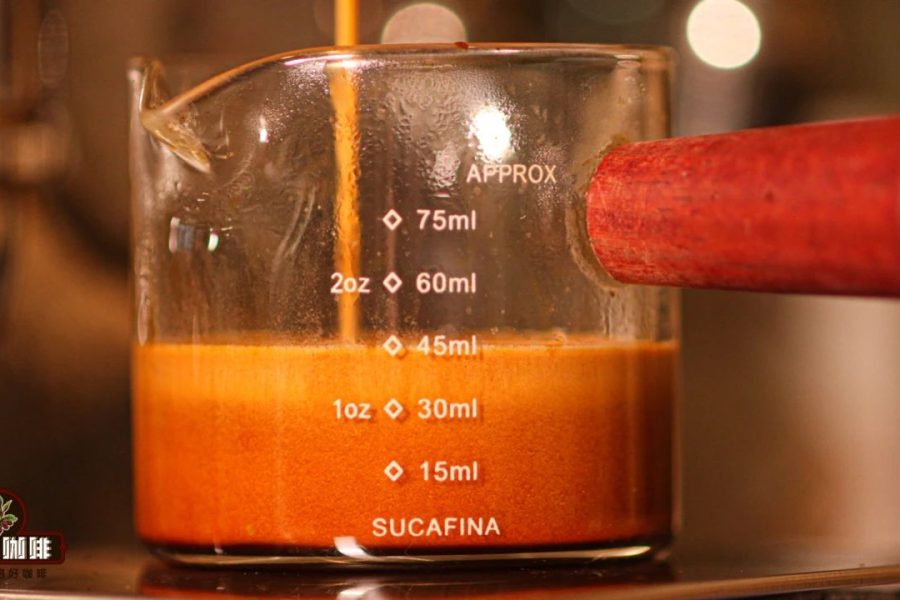
The key that truly distinguishes espresso from other brewing methods is the golden, dense foam on the surface—crema. This layer consists of coffee oils, proteins and sugars, and is the result of carbon dioxide from freshly roasted coffee beans being released under high pressure and emulsifying with the extracted liquid. High-quality crema not only brings a rich aroma but also intuitively reflects the freshness of the coffee and the state of extraction.

According to the golden cup extraction theory of the international specialty coffee organization, about 30% of the soluble substances in coffee powder can dissolve in water, of which only 2/3 are ideal flavor components. Based on this, espresso can be divided into three typical types: Ristretto, Normale and Lungo. Their core differences lie in the brew ratio and extraction time, which in turn affect concentration and mouthfeel layers.

Ristretto means 'restricted extraction', usually using a shorter extraction time and a smaller yield. Taking a common scheme as an example: when using 20 grams of coffee powder, only about 28 grams of coffee liquid from the early stage is extracted (brew ratio about 1:1.4), with time controlled at 15-20 seconds. This method retains more acidity and floral and fruity aromas by reducing the extraction amount, resulting in a higher-concentration coffee liquid. Note that some cafés further control the flow rate by making the grind finer, but over-extraction leading to bitterness should be avoided.

Normale is the standard espresso and the most widely known type. Conventional parameters are 20 grams of coffee powder extracting 40 grams of coffee liquid (brew ratio 1:2), with a time of about 25-30 seconds. According to the golden cup standard, its extraction yield should remain at 18%-22%, with concentration falling in the 8%-12% range. This balance point can show the complete flavor profile of the coffee beans, neither too sharp nor too flat, and is the ideal choice for making lattes, cappuccinos and other milk coffees.

Lungo is characterized by 'extended extraction', reducing concentration by increasing the contact time between water and coffee and the yield. Typical parameters are 20 grams of coffee powder extracting 100 grams of coffee liquid (brew ratio 1:5), with time extended to 40-45 seconds. Although the overall flavor is milder, over-extraction may cause tannic acid to be released, producing a rough finish. It is recommended to use freshly roasted medium-dark roast beans and to closely observe the crema—if the foam becomes thin or obvious layering appears, adjust the grind size or water temperature.

Extracting high-quality espresso requires focusing on five major parameters: coffee dose (usually 18-22 grams), grind fineness (close to the texture of fine granulated sugar), extraction water temperature (90-96°C), time control (20-30 seconds baseline) and final liquid weight. When the flavor is weak, try increasing the dose to 22 grams, making the grind finer or raising the water temperature by 1-2°C; if you encounter excessive bitterness, do the opposite—reduce the dose, make the grind coarser or lower the water temperature. In addition, freshness is crucial: it is recommended to choose coffee beans 7-21 days after roasting; overly long storage will cause carbon dioxide loss, affecting crema formation and flavor release.

Regarding the choice of coffee beans, medium-dark roast levels are more suitable for espresso. This type of roast can develop rich caramelized substances, enhancing the stability and mouthfeel thickness of the crema. Home users should pay attention to the resting period—newly roasted beans need to sit for 3-7 days (adjusted according to roast depth) until degassing is stable before extraction. If you pursue fuller oils, you can let the ground coffee powder sit for 10-15 minutes in advance so that internal moisture is evenly distributed.
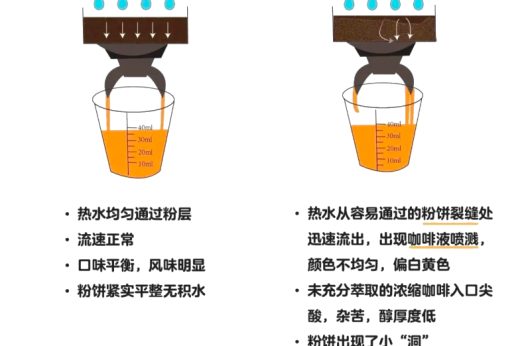
Common misunderstandings include: mistakenly using a coarse grind leading to too fast a flow rate, failing to clean coffee machine residue in time affecting pressure, or ignoring the effect of water hardness on extraction. It is recommended to regularly calibrate the coffee machine pressure (standard 9-10 bar) and use filtered water to avoid mineral deposition. Observe the crema color after each extraction—the ideal golden yellow should evenly cover the liquid surface; if grayish patches appear, it may indicate that the coffee beans have deteriorated.