Espresso crema explained: causes, common problems and fixes
Introduction: The golden crema on top of an espresso is not only a visual highlight but also affects the overall flavor and mouthfeel. This article explains the scientific composition of crema, from the principles of pressure extraction to bean selection and equipment parameters, analyzes the causes of common problems such as thin, pale, and coarse crema, and provides targeted solutions to help coffee lovers master the key techniques for perfect crema.
Espresso is a small, highly concentrated coffee drink that usually takes only 2-3 sips to finish. Its intense flavor profile means it has not yet become mainstream in China, but lattes made by adding milk or americanos diluted with water are widely popular. Looking at a standard espresso, you will notice a dark coffee liquid at the bottom topped with a layer of golden foam—this is what is commonly called "crema." So, is this layer really fat?

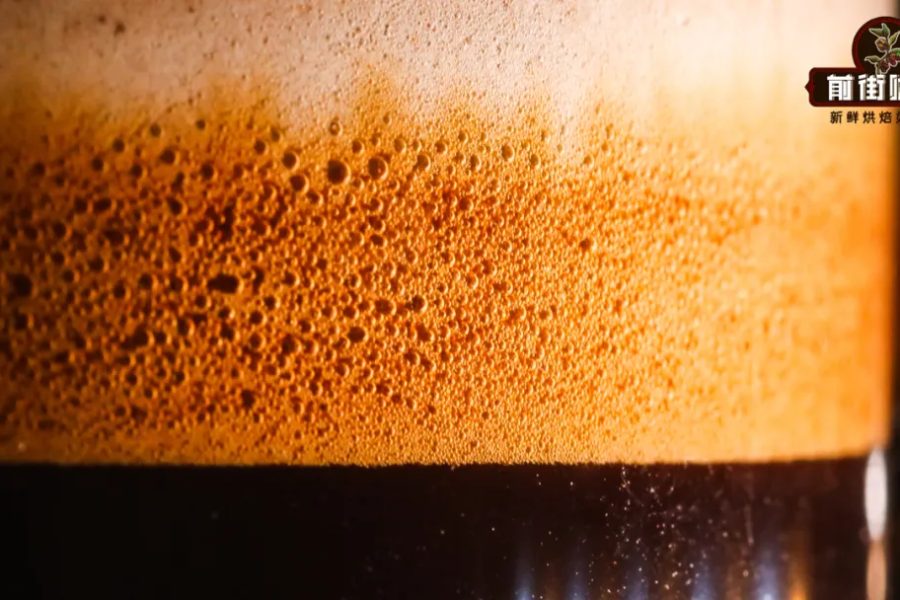
In fact, this substance, called "crema" by Italians, is not purely fat. Although oils seep onto the surface of dark-roasted coffee beans, the crema on top of espresso is an emulsion layer formed by insoluble oils in the coffee wrapping carbon dioxide. Espresso machines extract the coffee puck at a high pressure of 9 bar, putting the carbon dioxide in the water into a supersaturated state so that it cannot be released on its own and instead dissolves into the coffee liquid. At the same time, the high pressure also emulsifies the fats in the coffee; these fats combine with carbon dioxide and, because they are less dense than the liquid, gradually float upward, ultimately forming the golden, finely textured top foam.

High-quality crema is usually an even golden color with a fine, creamy texture and good cling and stability. It not only enhances the visual appeal of espresso but also adds layers to the mouthfeel, enriches the release of aroma, and provides some protection of flavor while drinking. In addition, when making milk-based coffee, good crema can also assist latte art, improving the stability and integration of the pattern.

To produce ideal crema, several aspects must be addressed. First, bean selection is crucial. Medium-dark to dark roast espresso blends are recommended; these beans usually contain higher levels of oils and carbon dioxide and are within their fresh flavor window (about 45-60 days after roasting). In addition, adding an appropriate amount of robusta to the blend also helps improve crema performance, as its natural oil and carbon dioxide content is usually higher than that of arabica. Using freshly ground coffee powder, ensuring the equipment steadily outputs an extraction pressure of about 9 bar, and matching the right grind size and dose are the basic conditions for achieving ideal crema.

If the extracted espresso has no crema at all or an unusually thin crema layer, possible causes include: coffee beans stored for too long, causing loss of carbon dioxide; grind too coarse or insufficient dose; insufficient extraction pressure or water temperature too low; or insufficient tamping force, resulting in insufficient puck density. In addition, if pre-ground coffee powder is used, it will also lose some gas due to prolonged exposure to air, thereby affecting crema formation.

Another common problem is crema that is pale in color; although it has some thickness, it lacks a golden hue and is often accompanied by a sharp, sour taste. This situation is usually caused by using coffee beans with a lighter roast level, such as some pour-over beans focused on fruity acidity. Light-roasted beans themselves have relatively low oil and carbon dioxide content; if forced into espresso extraction, they easily lead to under-extraction, resulting in undesirable white crema and sour, astringent flavors.

If the crema is coarse in texture with a large number of bubbles and dissipates very quickly, it is usually due to the use of overly fresh coffee beans. Freshly roasted beans contain a large amount of carbon dioxide; during high-pressure extraction, these gases cannot be fully emulsified by the oils and easily break through the crema layer, causing the crema structure to be loose and short-lived. It is recommended to let newly roasted coffee beans rest for an appropriate time (generally 3-7 days of degassing for greater stability) before using them for espresso extraction.

Another situation is the appearance of clumps or an uneven, bumpy "lumpy" structure on the surface of the crema, similar to over-whipped milk foam, with poor flowability and difficult to spread. This crema structure usually means uneven puck compaction, fluctuating extraction pressure, or uneven coffee grinding, causing some areas to release gas excessively during extraction while other areas fail to emulsify fully. Adjusting the grind size, tamping the powder layer evenly, and ensuring stable machine pressure can help improve this problem.

In summary, espresso crema is the result of the combined action of pressure, temperature, coffee bean freshness, and grinding parameters. By observing the color, texture, and stability of the crema, you can quickly judge the extraction status and adjust the relevant variables in time to achieve a more ideal espresso experience. Whether you are a home user or a professional barista, mastering these techniques will help improve the quality of every cup of espresso.