How to Make Perfect Espresso Crema: Composition and Extraction
Introduction: The soul of espresso lies in the enticing golden layer of oil on its surface—crema. This delicate foam not only affects visual appeal but is also directly tied to the coffee's aroma and mouthfeel. This article takes an in-depth look at what crema is actually made of, reveals the core factors that affect how thick it is, and provides a professional-grade guide to making espresso, from choosing coffee beans to setting extraction parameters.
Espresso originated in Italy, and its name itself hints at its quick preparation. "Espresso" means "fast" in Italian; this method of making coffee was originally intended to produce a rich cup of black coffee in a very short time.

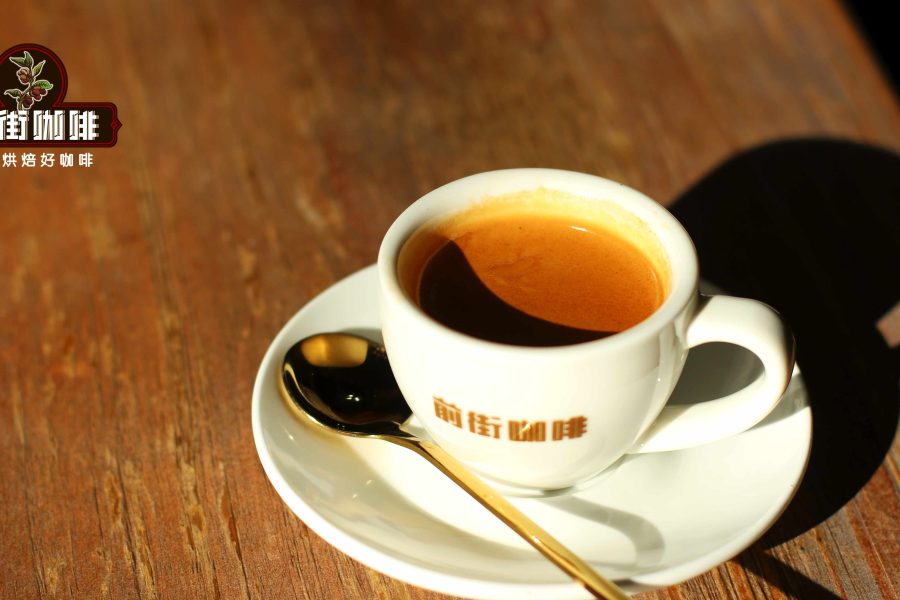
The signature golden foam on the surface of espresso is often called "oil," but the more accurate term is crema. Strictly speaking, crema is not pure oil but an emulsion structure made up of fine coffee oil particles and carbon dioxide bubbles. As these carbon dioxide bubbles are gradually released, a thin layer of true coffee oil is left underneath. In everyday conversation, however, people still habitually refer to the entire crema layer as coffee oil.

In 1884, the Italian Angelo Moriondo invented the first espresso machine, using a dual-boiler system and 1.5 bar of pressure to make coffee that was more intense than drip coffee. After years of technical improvements—especially the lever-style high-pressure coffee machine invented by Achille Gaggia in 1948—crema in the modern sense truly took shape. Today, a rich crema has become one of the important criteria for judging espresso quality.

The primary factor affecting how thick crema is, is the characteristics of the coffee beans. By variety, Robusta usually produces richer crema than Arabica, but its flavor tends to be more intense. Arabica beans from different origins also differ; beans from the Americas and Asia usually perform better than those from Africa. Roast level is equally key—medium-dark roasts can develop a richer oil performance while retaining moderate fruit acidity. Extraction pressure must be kept stable at 9 bar; this is the key parameter for forming ideal crema.
The freshness of the coffee beans is crucial to crema formation. The carbon dioxide produced during roasting is the main gas source for crema, but it gradually escapes over time. Generally, the carbon dioxide in coffee beans is essentially fully released within 45–60 days after roasting, and espresso extracted at this point often has thin crema or none at all. It is recommended to use coffee beans 7–12 days after roasting; at this stage, after proper resting, the carbon dioxide content is moderate and evenly distributed, which can both form a rich crema and ensure flavor integrity.
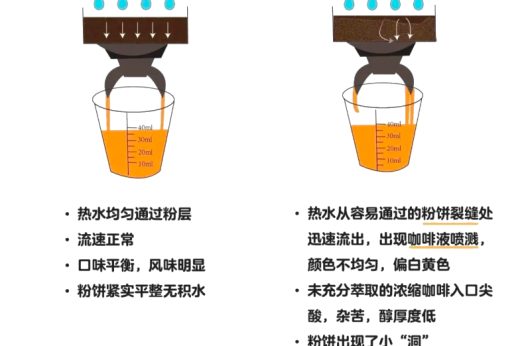
Precise control of extraction parameters directly affects crema quality. The ideal dose-to-yield ratio is usually between 1:1.8 and 1:2—for example, extracting 36–40 g of coffee liquid from 20 g of grounds, with the time controlled at 25–30 seconds. Pay attention to the extraction process: the coffee liquid that flows out initially is darker in color, then gradually turns golden, and in the final stage the crema becomes thin and lighter in color; this part contributes little to overall quality. When using a professional espresso machine, it is crucial to ensure the pump can stably maintain 9 bar of pressure; many home models fall short in this respect.

Common misconceptions include over-pursuing freshness—although freshly roasted coffee beans have plenty of carbon dioxide, without an appropriate resting period (7–12 days recommended) the crema will be coarse and unstable and the flavor flat. Another misconception is believing that the fresher the beans, the better; in fact, moderate resting allows the carbon dioxide to be distributed more evenly, forming a finer and more persistent crema. In addition, blindly adjusting the dose-to-water ratio in pursuit of a high volume of oil often backfires; over-extraction leads to a decline in the quality of the later-stage crema.

To obtain ideal espresso crema, multiple factors need to be considered together: choose high-quality medium-dark roasted coffee beans, ensure appropriate freshness (start using 7–12 days after roasting), use professional equipment that can stably maintain 9 bar of pressure, and precisely control the dose-to-yield ratio and extraction time. By systematically adjusting these parameters, you can make professional-grade espresso with a rich, persistent crema.

Remember, perfect crema should be a fine, glossy golden foam with a certain elasticity that holds for a while without dissipating quickly. It is not only a visual pleasure but also a sign of good extraction, bringing richer aroma layers and a smooth mouthfeel to espresso. Through continuous practice and fine-tuning of parameters, every coffee lover can master the technique of making ideal espresso crema.