The Golden Ratio for Iced Lattes: How Much Ice Is Right?

Introduction: Want to make an iced latte at home that rivals the coffee shop, but it always seems to fall a little short? The key actually lies in ingredient selection, ratio, and technique. This article explains how to use the right coffee beans and milk and a scientific ratio to recreate professional-level flavor, and shares practical tips to help you easily solve the problem of "why my homemade latte doesn't taste as good as the coffee shop's."
Espresso drinks are a coffee shop staple, and the iced latte is one of the most popular and seemingly simplest milk coffees. It takes only three steps—"add ice, pour milk, pour coffee"—but making a truly balanced, smooth iced latte involves many easily overlooked key points.

First, ingredient selection is crucial. The flavors of iced lattes on the market vary widely, and the primary reason is that the coffee beans and milk used differ. The flavor of the coffee beans directly affects the overall result; for example, common espresso blends usually bring rich nutty and chocolate notes, while some highlight the sweetness of the milk. So choosing the right beans is the first step in setting the tone of an iced latte.

Milk is equally important. There are more than a dozen common whole milks on the market, with textures ranging from rich and heavy to thin as water. When choosing milk, it's best to use "whether it harmonizes with the coffee's flavor" as the criterion, rather than simply seeking a strong milky taste. Too heavy a milk flavor will mask the coffee's layers, while too light a milk taste makes the whole drink seem watery and lose its proper fullness.

Next is the ratio everyone cares about most. Although there is no absolutely uniform "golden ratio," after much practical adjustment, a common and balanced reference is: use about 40 g of espresso, paired with 240 g of iced milk and 75 g of ice, keeping the total liquid volume at around 300 ml. This ratio ensures a balance between the coffee and milk flavors, while the amount of ice won't overly dilute the texture. Of course, you can fine-tune to personal taste—for example, reduce the milk slightly if you like a stronger coffee flavor, or add a little more ice if you prefer a refreshing feel—but note that too much ice easily makes the whole drink weaker, while too much milk may mask the coffee's own flavor.

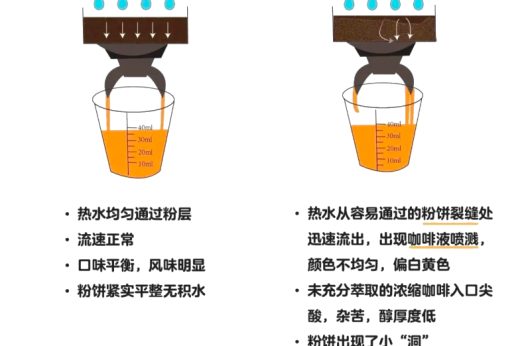
Besides ingredients and ratio, the details of the process also directly affect the final flavor. First, the quality of the espresso extraction is key. Common extraction problems such as channeling and poor timing control will throw the coffee's flavor off balance, which in turn affects the taste of the whole iced latte. In addition, speed matters; it's best to keep the whole process—from adding ice and pouring milk to extracting the espresso and quickly combining them—as continuous and quick as possible.

Why does speed matter? Because ice soaking in milk for a long time gradually melts, which not only dilutes the overall flavor but also tends to form a visible layer of water, affecting the texture. At the same time, freshly extracted espresso carries a rich crema, an important source of flavor and texture, but this crema noticeably diminishes after 30 seconds, which not only affects the aroma but also reduces the coffee's "buoyancy," preventing a beautiful layered effect from forming.

In summary, making a good homemade iced latte isn't hard; the key is: choosing the right coffee beans and milk, controlling the ratio, and paying attention to the details of the process. From a precise ratio of espresso to milk, to working quickly to prevent the ice from melting too much, to focusing on the extraction quality of the espresso, every step affects the final texture and flavor. Master these points, and you too can make an iced latte at home that rivals the coffee shop.