Coffee Bean Storage Guide: Moisture, Oxidation, and Is Freezing Really Viable?
Introduction: With Spring Festival approaching, coffee lovers are stocking up, but how to store coffee beans properly has become a major challenge. Heat, moisture and oxidation are the three great taboos of coffee bean storage, and a single misstep can affect the flavor. This article explains the best ways to store coffee beans in detail, answers common questions such as whether beans need to go into an airtight jar and whether they can be refrigerated or frozen, and offers practical advice to help you enjoy fresh, delicious coffee during the Spring Festival.
Spring Festival is coming, and many courier services are suspending deliveries one after another. Savvy coffee lovers have long since prepared plenty of coffee beans. However, with half a month still to go before the holiday, how to store coffee beans properly has become a concern for everyone. When storing coffee beans, special attention must be paid to the three great taboos: heat, moisture and oxidation.

When the ambient temperature is above room temperature, the aromatic compounds in coffee beans volatilize faster, and if exposed to sunlight, they are more prone to fungi and bacteria, leading to spoilage. Especially in southern regions, the humid conditions brought by the returning-damp weather make coffee beans susceptible to dampness and mold. In addition, coffee beans react with oxygen through oxidation; although it is not as obvious as a peeled apple turning brown, prolonged exposure to oxygen significantly shortens their peak flavor period.
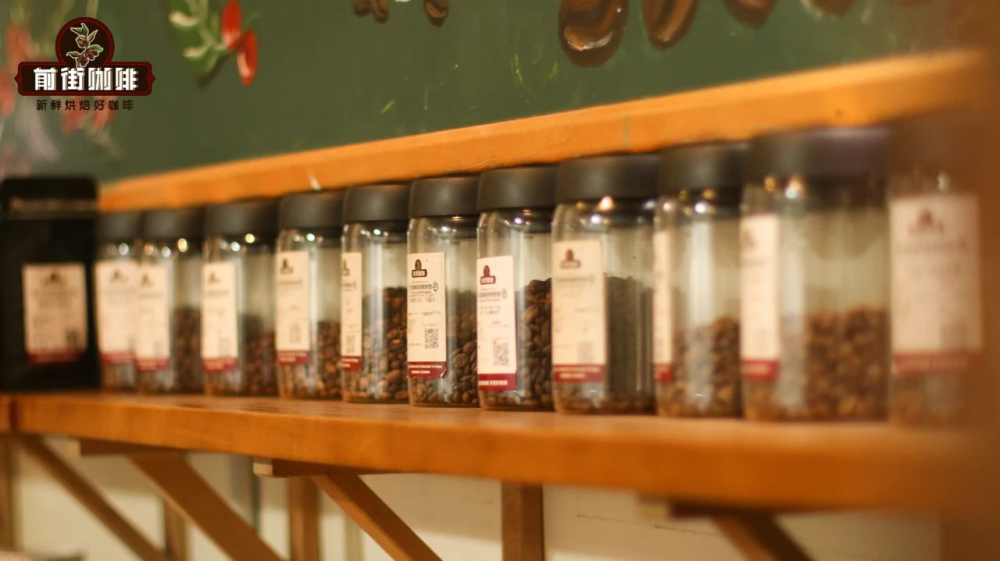
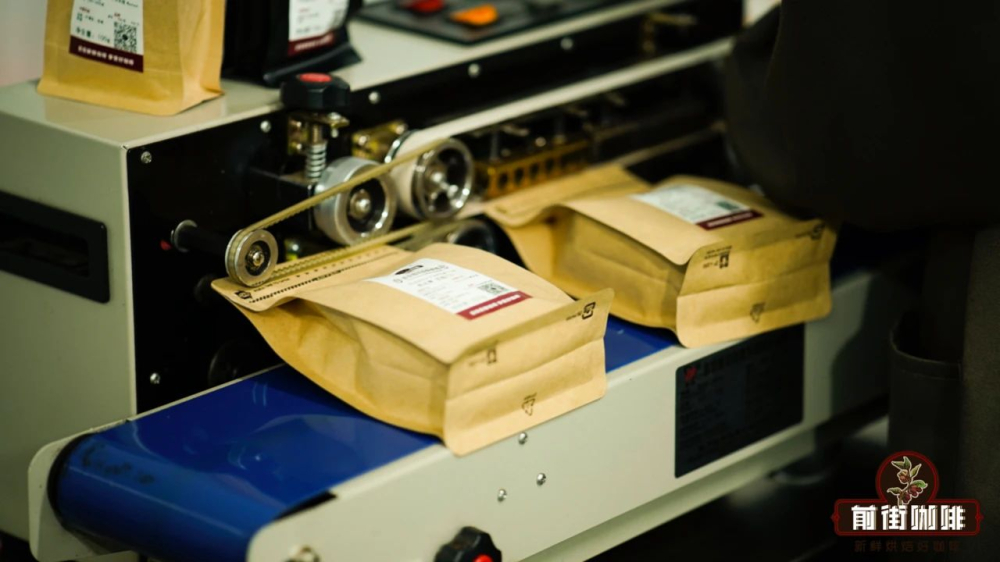
It is usually recommended that after receiving coffee beans, you keep the original packaging and store them in a cool, dry place, taking out one pack at a time when needed. The original packaging usually has a one-way degassing valve that releases pressure when the internal pressure is too high, a function that ordinary airtight jars do not have.

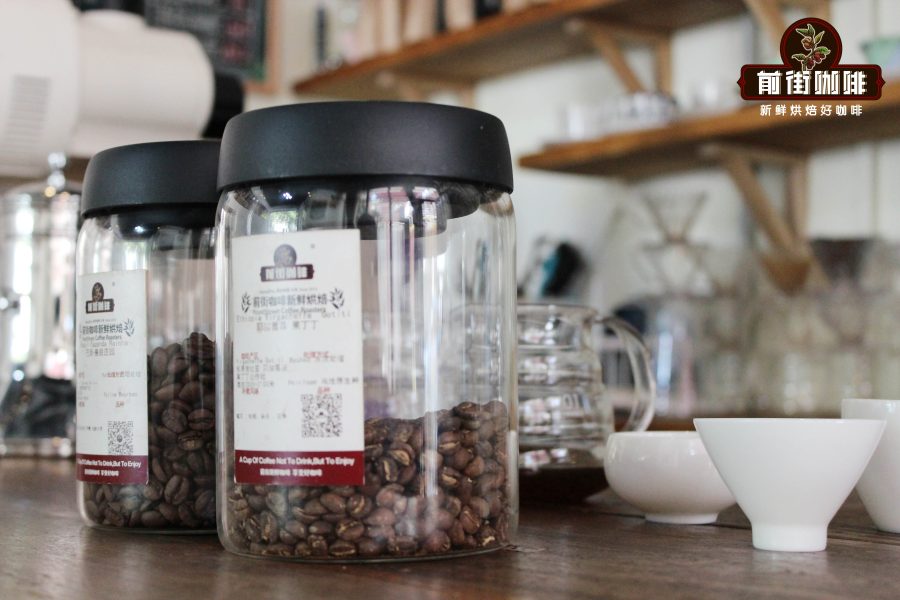
Q: After receiving coffee beans, is it the best choice to open the bag immediately and put the beans into an airtight jar? If the coffee beans have already been opened, storing them in an airtight jar can indeed effectively extend their flavor retention time. But for unopened coffee beans, keeping them in the original packaging is more appropriate, because the process of opening the bag and resealing it itself exposes the beans to air, which may not be worth the trade-off.
Q: Is it better to refrigerate or freeze coffee beans? A low-temperature environment can indeed slow the oxidation rate of coffee beans, thereby extending their flavor retention period. But in practice, household refrigerators usually store a variety of foods, and coffee beans easily absorb odors, which affects the taste.

In addition, if coffee beans taken out of the refrigerator are ground and brewed directly, the low temperature may lead to under-extraction and affect the flavor performance of the coffee. Especially for coffee beans taken from the freezer, condensation is likely to form during thawing, increasing the risk of dampness. Only when odor and condensation problems are strictly avoided is refrigerated storage an optional solution.

Therefore, for most household users, following the basic principles of cool, dry and sealed is the safest way to store coffee beans. No complicated operations are needed; simply store the coffee beans in a suitable environment, and you can enjoy fresh, aromatic coffee during the Spring Festival.