French Press Cold Brew Guide: From Bean Selection to Flavor Adjustment
Introduction: A French press isn't just for hot coffee—it's also a practical tool for making cold brew. This article explains the core parameters for making cold brew with an immersion-style French press, the logic behind bean selection, and key techniques for extending flavor freshness. By adjusting the coffee-to-water ratio, grind size, and steeping time, even coffee beginners can easily obtain a layered, rich iced coffee. It also includes practical advice on flavor management after filtration.
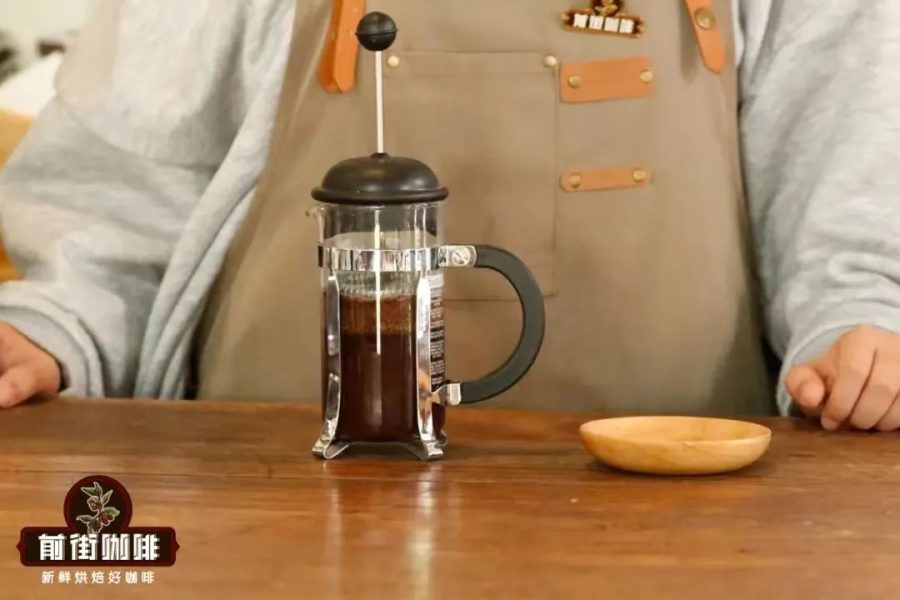
Cold brew coffee is known for its simple operation, and the French press, with its immersion extraction characteristics, has become an efficient tool for home cold brew. This extraction method, which requires no precise control of water flow, lowers the operational threshold while steadily presenting the coffee's mellow base.
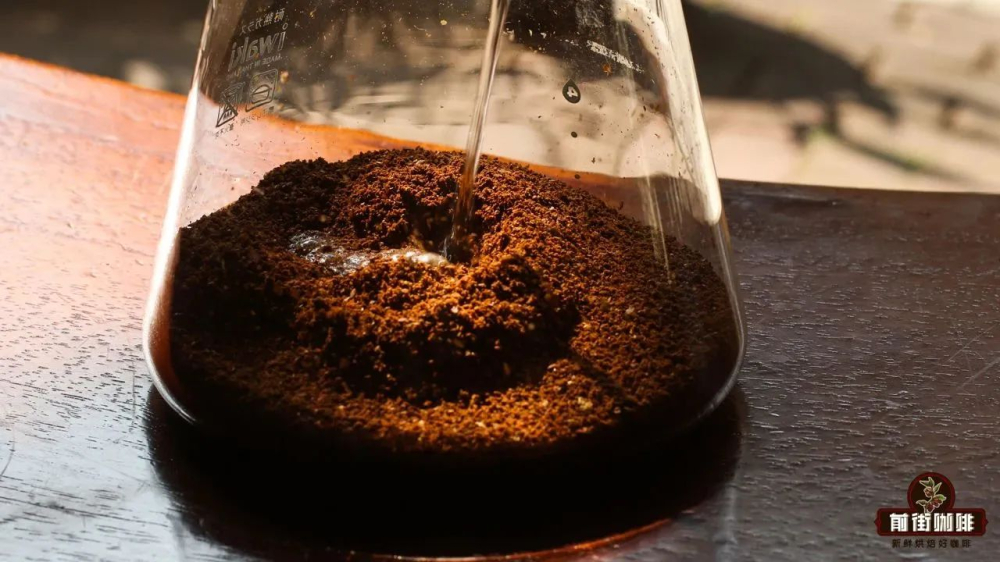
Immersion extraction in a French press has two major advantages: first, after the coffee and water remain in contact long enough to reach concentration equilibrium, the rate of substance release naturally slows, so even if parameters are slightly off, overcooked bitterness is unlikely; second, the entire process only requires controlling the coffee-to-water ratio and time, with no need to learn complex pouring techniques—it's as intuitive as brewing tea. Add a measured amount of ground coffee and room-temperature water to the press, seal and refrigerate, and wait for the flavors to release slowly.
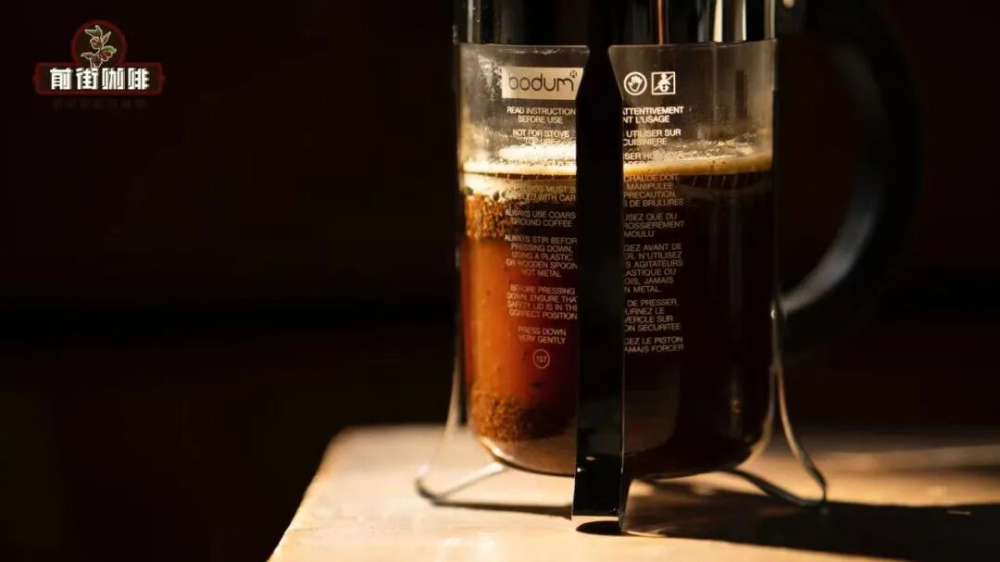
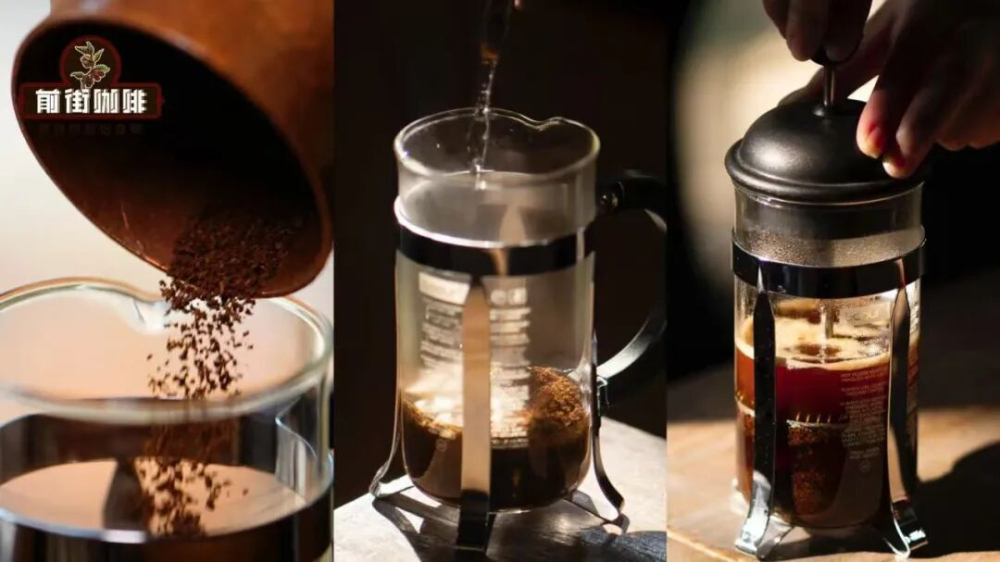
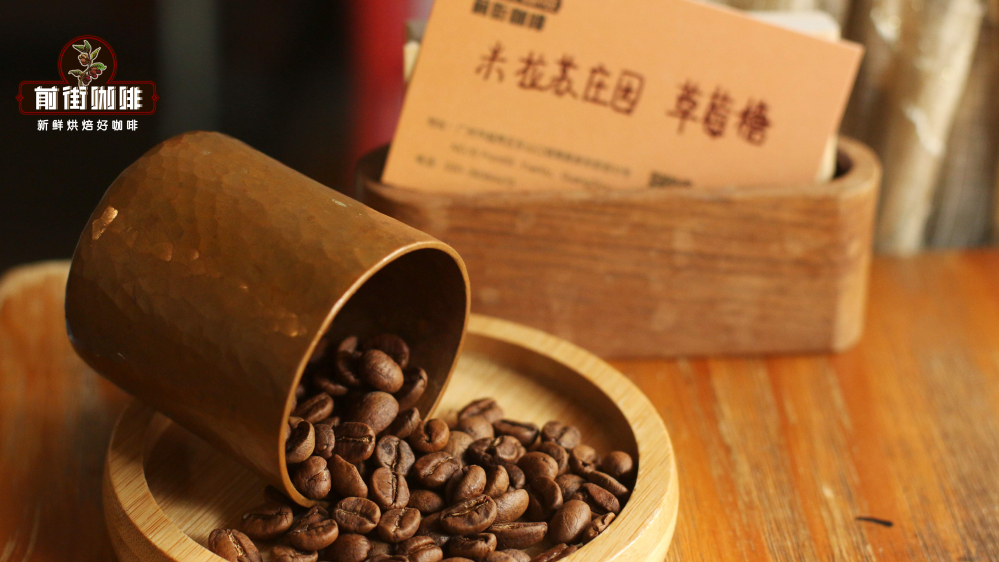
The choice of coffee beans directly affects the flavor direction of the finished cold brew. Experimental data shows that medium-light roasted beans more easily display fresh characteristics—varieties with obvious floral and fruity notes (such as those with berry or citrus aromas) suit drinkers seeking bright acidity; while full-bodied dark roasted varieties (for example, products with prominent chocolate or caramel flavors) can present fuller mouthfeel layers. It is recommended to select beans with a roast level between light and medium according to personal taste preferences, and avoid products that are over-roasted and thus have a flat flavor.
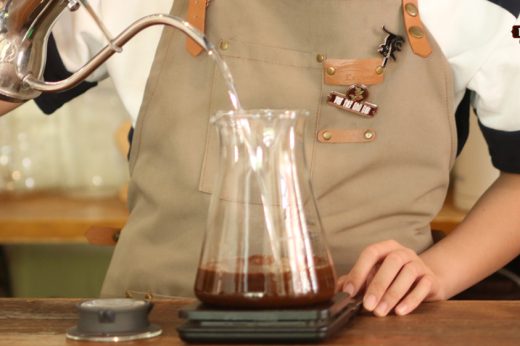
In the standard procedure, the coffee-to-water ratio should be controlled in the range of 1:10 to 1:12. Taking a common 300ml French press as an example, 30g of ground coffee paired with 300ml of room-temperature water achieves balanced extraction. The grind size should be adjusted to medium-coarse particles with about 85% passing through a No. 20 standard sieve, similar to the texture of coarse granulated sugar, which ensures full extraction while preventing the filter mesh from clogging. After pouring the measured ground coffee into the press, add room-temperature water in two stages and mix thoroughly with a stirring rod to ensure every coffee particle's surface is wet.
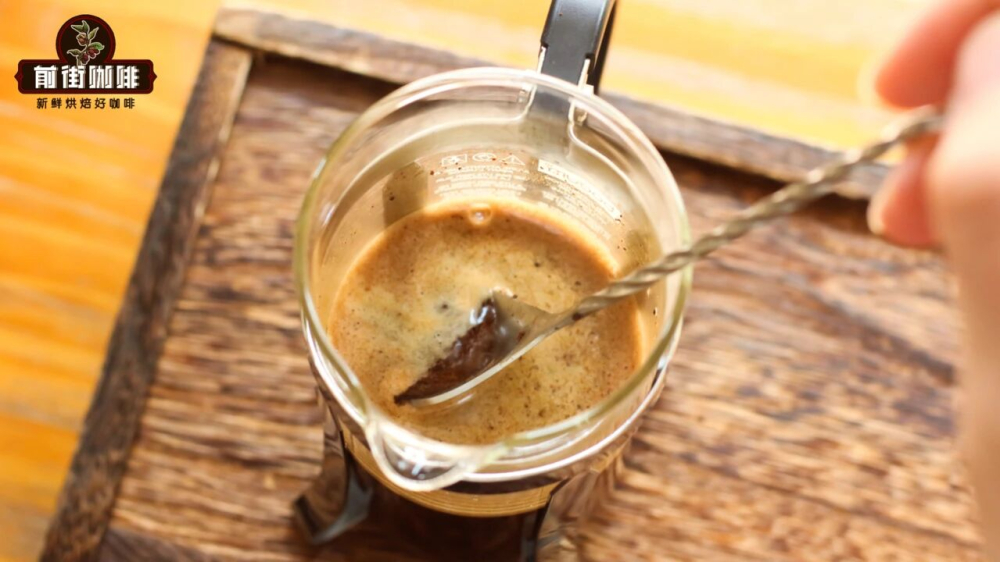
After adding water, seal the lid (be careful not to press down the filter) and immediately transfer to a refrigerated environment below 4°C to rest. The optimal extraction time is 8-16 hours; short steeping may result in insufficient flavor, while too long can easily cause over-extraction. It is recommended to set a timer reminder to avoid quality being affected by forgetting. During refrigeration, the coffee liquid will gradually take on an amber color—this is a normal Maillard reaction phenomenon.
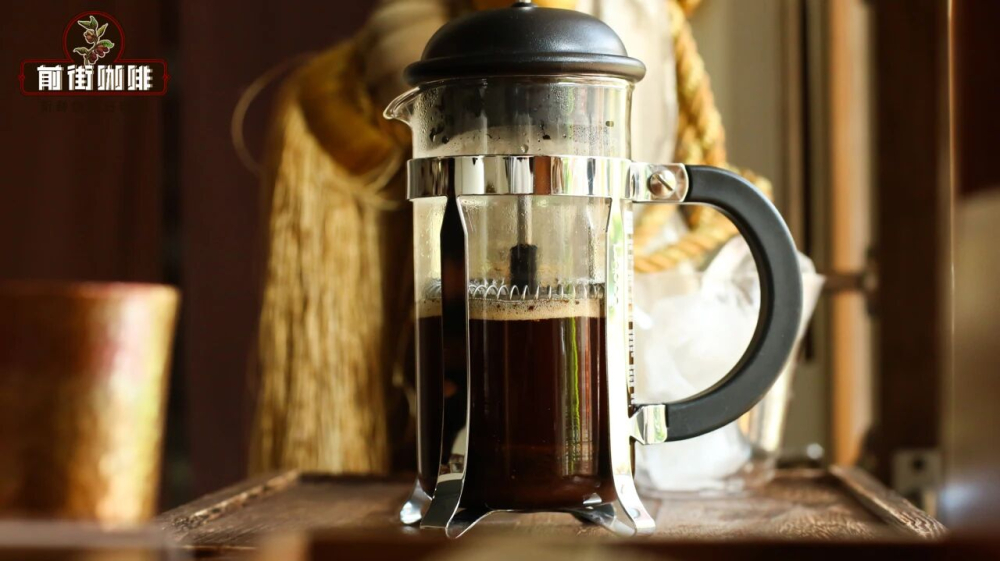
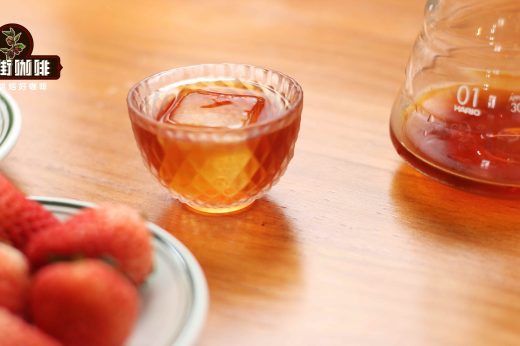
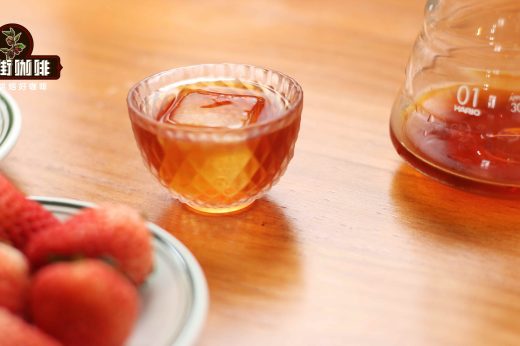
The filtration step requires two stages: first gently lift the filter to remove large coffee grounds, then place food-grade filter paper for a second filtration of fine particles. The resulting coffee liquid can be drunk directly; if it seems too strong, add an appropriate amount of ice cubes to adjust, or refrigerate and rest for more than 4 hours, during which slow contact between the coffee liquid and air produces a rounder mouthfeel. Note that the filtered coffee liquid must be stored sealed; experiments show that under clean and sealed conditions it can maintain flavor stability for about 5 days, but long-term storage still carries a risk of microbial contamination.
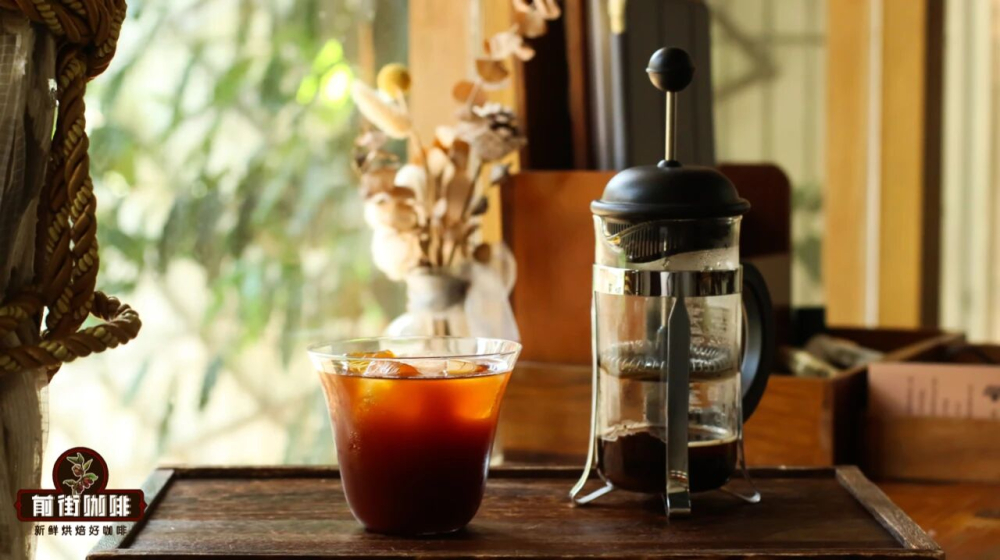
Extended tips: when using a stainless steel French press, it is recommended to pre-chill the body to lower the initial temperature; adding a small amount of cinnamon stick or vanilla pod to steep together can give the coffee an extra aroma dimension; regularly rinsing the French press with lemon juice and hot water can effectively remove residual oils and keep the equipment clean.