Cold Brew with Drip Bags? Iced Pour-Over vs Cold Brew Comparison and Guide
Introduction: Summer is here, and you want iced coffee without fussing with complicated equipment? In fact, with common drip bags you can easily make two drinks with different flavor profiles: cold brew and iced pour-over. This article explains in detail how to use drip bag coffee to make these two popular summer iced coffees, including brewing parameters, flavor characteristics, step-by-step instructions and practical tips, and compares how similar they are to Americano, to help you find the one that better suits your taste.
In the height of summer, a cool, refreshing iced coffee is the daily first choice for many coffee lovers. But not everyone has professional pour-over gear or cold brew equipment. In fact, with just common drip bags, you can easily make distinctive iced pour-over coffee and cold brew at home.
So the question is: can you make cold brew with drip bag coffee? Between iced pour-over and cold brew, which is closer to the taste of a traditional Americano? Below we answer these one by one and provide a complete, practical guide from bean selection to brewing.
First, a drip bag is essentially portable pour-over coffee; the quality and flavor performance of its ground coffee are very close to pour-over coffee made from the same beans. Therefore, as long as you adjust the parameters appropriately, drip bag coffee can also be used to make cold brew and iced pour-over.

Let's first look at flavor characteristics: traditional Americano is made by diluting espresso with water; it tastes clean, with balanced acidity and bitterness, and carries basic coffee roast and nutty notes. By comparison, iced pour-over coffee, because it is extracted with cold water, has brighter acidity, a cleaner mouthfeel and prominent flavor layers; cold brew coffee, due to long low-temperature extraction, has a fuller body overall, with low acidity and low stimulation, often featuring chocolate, caramel and soft fruit notes.
So which one is more like an Americano? Overall, cold brew coffee is closer to the balanced and gentle character of Americano, but lacks the strong punch of espresso; iced pour-over coffee emphasizes flavor layers and suits those seeking a richer taste experience.
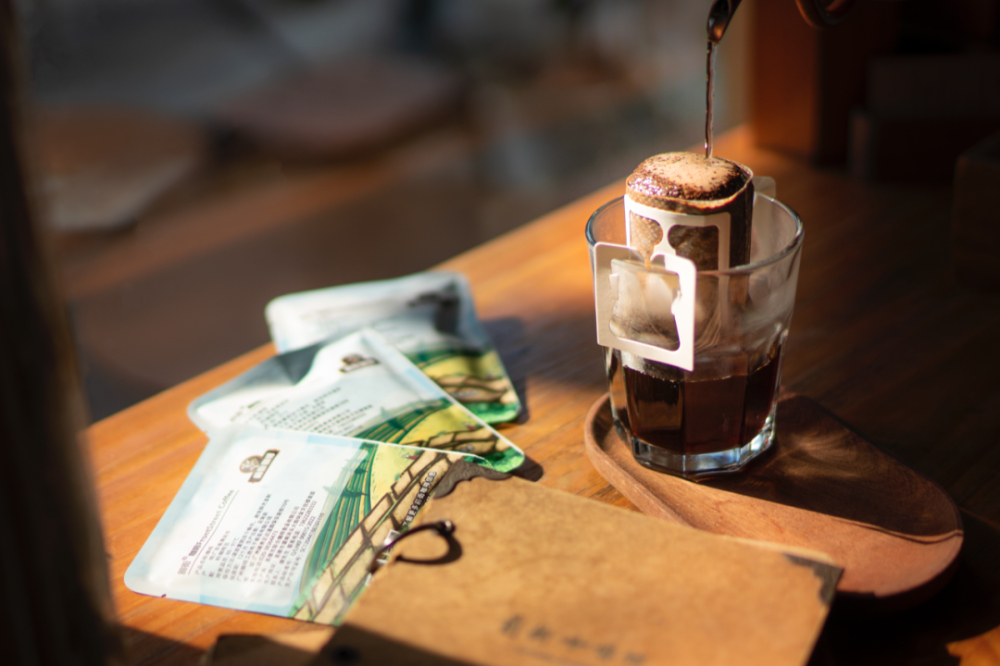
When choosing coffee beans, different flavor preferences call for drip bags of different roast levels:
• For those who prefer floral, fruity and fresh notes, choose light-to-medium roast beans; these coffees often have citrus, berry and floral notes with bright acidity.
• For those who like a balanced taste, neither sour nor bitter, try medium roast beans, which usually have caramel, nut and chocolate flavors.
• For those seeking a full, solid body, medium-dark roast beans are recommended; these coffees are balanced between bitterness and sweetness with a long finish.
Most of these beans have corresponding drip bag formats, convenient for everyday brewing.

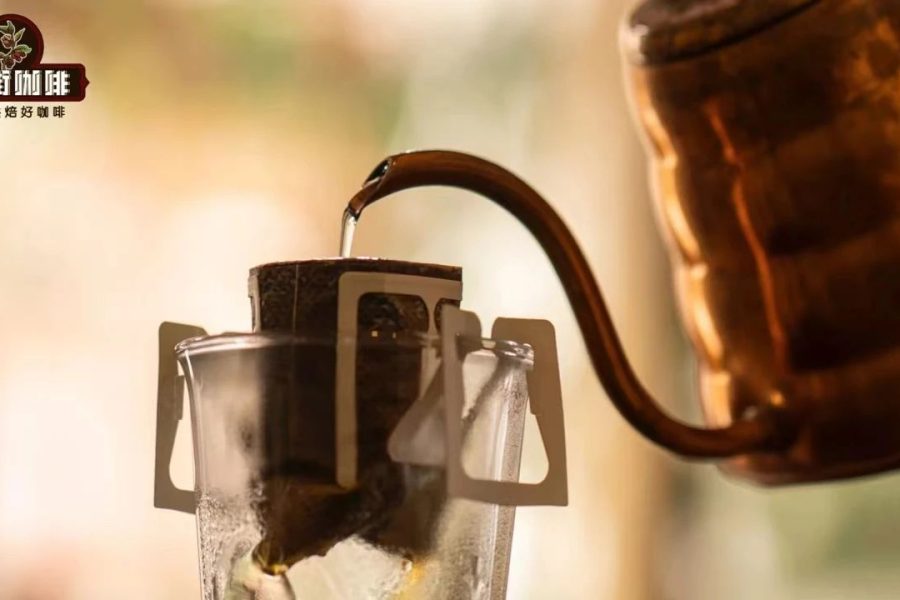
Next, here is how to make iced pour-over coffee with drip bags. Traditional iced pour-over is based on hot pour-over with ice added, using the melting ice to lower the temperature, but this also dilutes the concentration. To avoid this, you need to compensate for the loss of concentration by reducing the total amount of water, grinding finer (if adjustable), or raising the water temperature. Because drip bags use pre-ground coffee and the grind cannot be adjusted, we mainly optimize extraction by adjusting water temperature and the coffee-to-water ratio.
The steps are as follows:
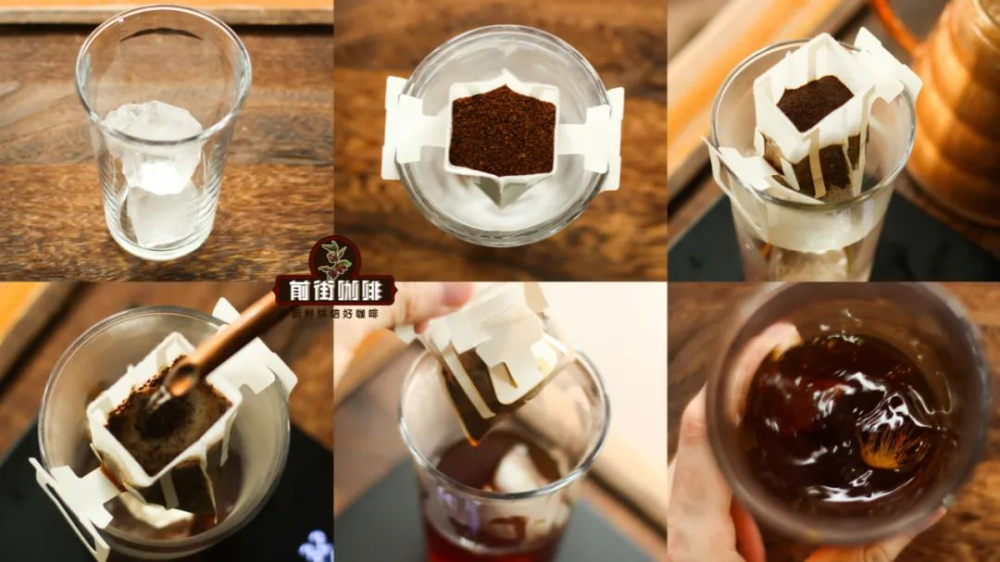
1. Prepare a tall cup and first add an appropriate amount of ice (about 60 g).
2. Hang the drip bag and put 10 g of coffee grounds into the filter bag.
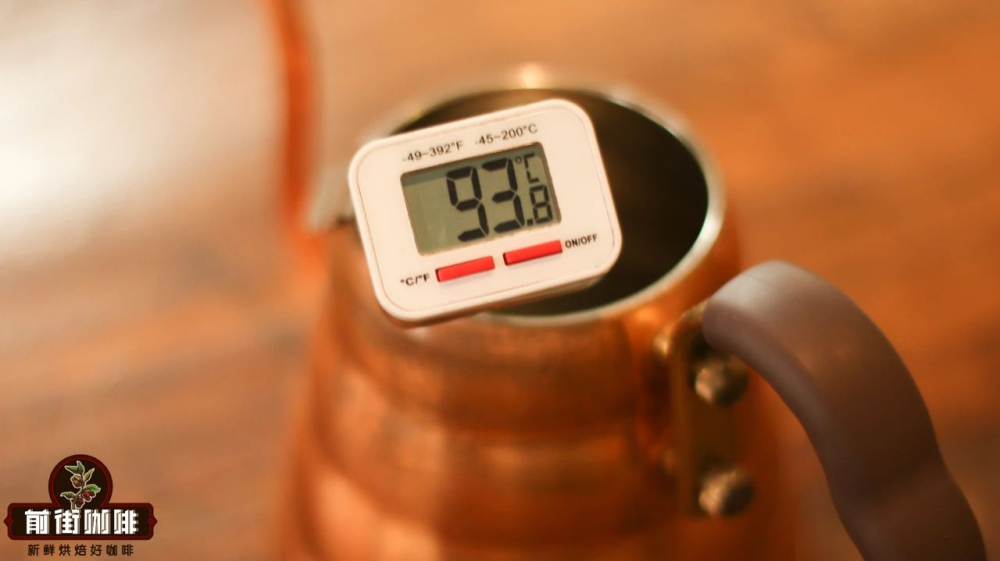
3. Use 93°C hot water for a 25–30 second pre-infusion (bloom), pouring about 20 ml of hot water.
4. Then pour the remaining 80 ml of hot water in 4 pours of 20 ml each, pouring in a slow circular stream, waiting for the previous pour to fully drip through before adding the next.
5. After all the water is poured, let it stand until dripping is complete, then remove the drip bag.
6. Gently stir the coffee and ice to even out the flavor, then it is ready to drink.
This method suits those who like bright acidity and sweetness with a refreshing mouthfeel, especially for summer afternoons.

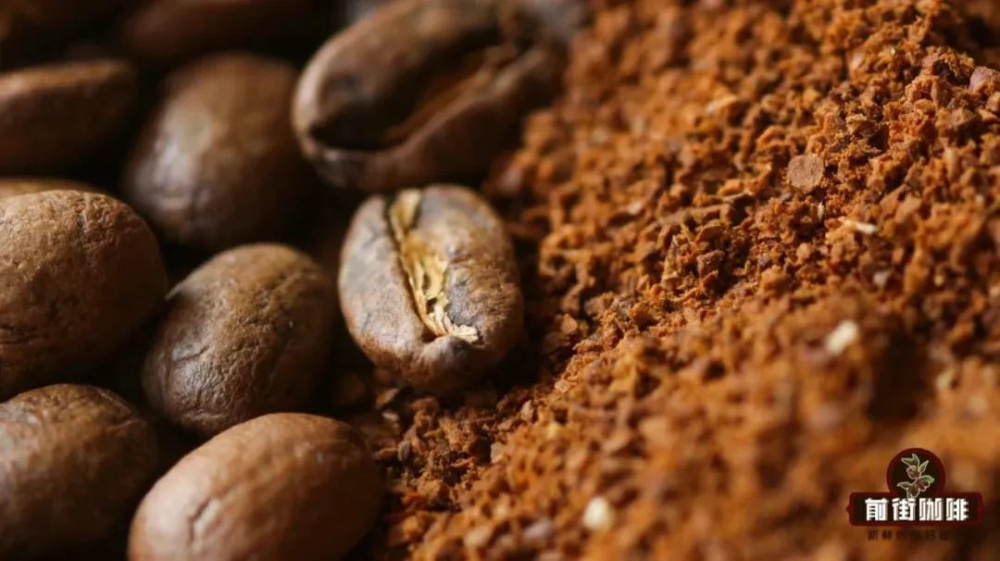
Now let's look at making cold brew with drip bags. Compared with iced pour-over, cold brew is simpler: no precise control of the water stream is needed, just patient waiting. Its biggest advantages are low acidity, low stimulation, and a soft, stable flavor.
Suggested parameters: if you plan to drink it with ice, use a 1:10 coffee-to-water ratio; if not, 1:12 is recommended for a more palatable concentration. For example, using 4 drip bags for a total of 40 g of coffee grounds, a 1:10 ratio requires 400 ml of room-temperature water, yielding about 400 ml of cold brew concentrate, enough for 2–3 people.
The process is as follows:
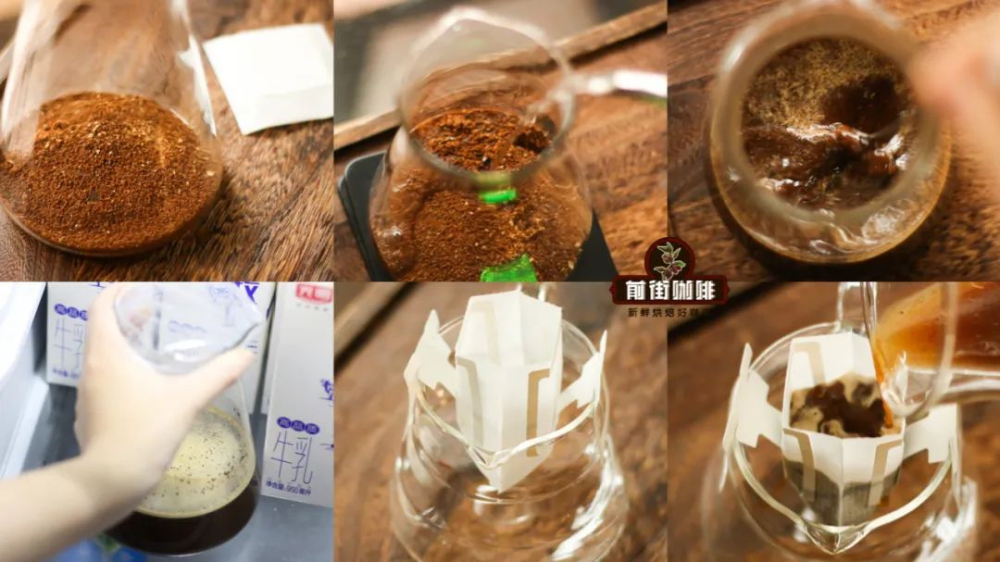
1. Pour the coffee grounds from the drip bag inner packaging into a sealed bottle; keep the drip bag for later filtering.
2. Add the calculated amount of room-temperature water, such as 400 ml.
3. Stir thoroughly to make sure the coffee grounds are completely wetted.
4. Close the lid tightly and refrigerate for 8–12 hours (the longer, the stronger the flavor).
5. After taking it out, filter the coffee liquid through the drip bag to remove the coffee grounds.
6. Pour into a cup and enjoy with ice; store any unfinished portion sealed and refrigerated, generally for about 5 days.

In summary, drip bag coffee is not only suitable for traditional hot brewing; it can also flexibly transform into iced coffees with different flavor profiles. Iced pour-over coffee is bright and sweet-tart, suited to those who like fresh flavors; cold brew coffee is full-bodied and smooth, a low-stimulation summer choice for long, leisurely enjoyment. Each has its merits, so choose the one that suits your taste and occasion.