2025 Drip Bag Coffee Brand Recommendations: Flavor and Brewing Guide
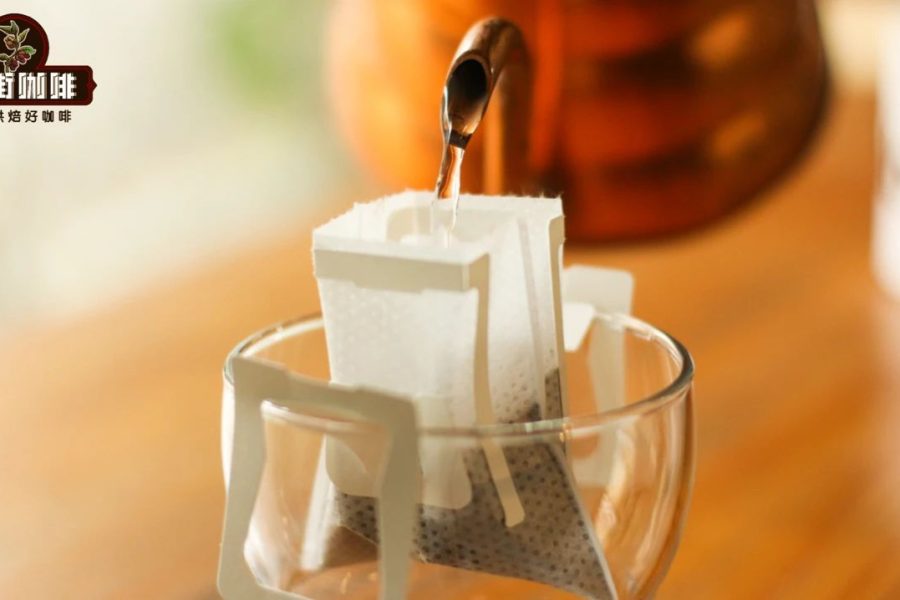
Introduction: Drip bag coffee, as a convenient alternative to pour-over, has gained favor among coffee enthusiasts in recent years. This article explains the origins and advantages of drip bag coffee, compares it with traditional pour-over, and recommends several quality drip bag products suited to different scenarios. From basic flavor characteristics to brewing tips, it helps you easily choose a drip bag coffee that suits you and unlock a professional-grade coffee experience at home.
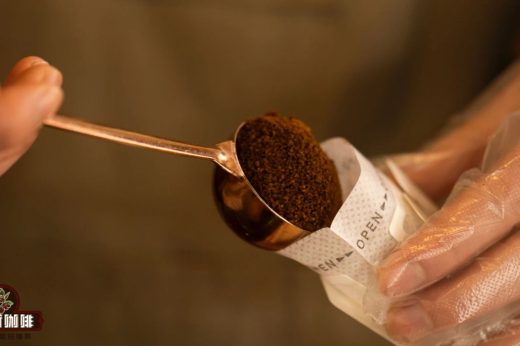
Drip bag coffee is a common form of black coffee. The principle is that freshly ground coffee powder is pre-packed into a special filter bag, and hot water is dripped through to extract the flavor compounds. A standard drip bag usually contains 10 grams of coffee powder and can brew 130–150 milliliters of coffee liquid, exactly meeting the needs of a single serving.
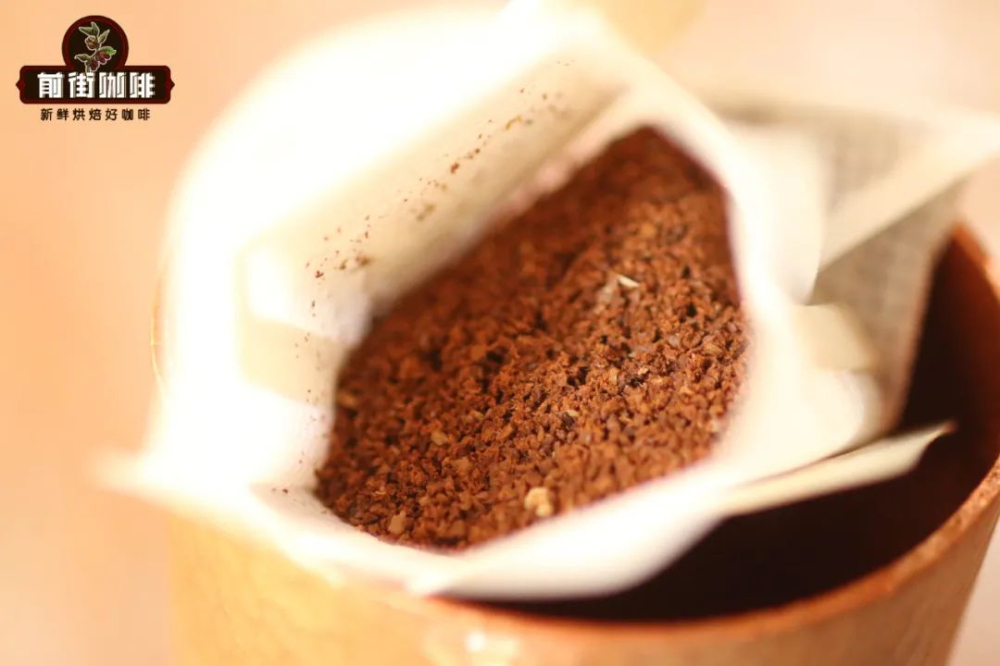
This convenient drink was invented in Japan. In 1990, Yamanaka Sangyo Co., Ltd., inspired by tea bags with hanging strings, designed a non-woven filter bag with paper suspension structures on both sides, named for its ear-like shape. After the technology was patented in 2002, it spread rapidly and became a globally popular coffee solution.
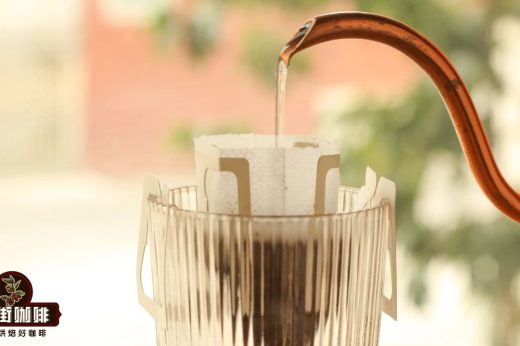
To use drip bag coffee, you only need hot water and a cup: hang the filter bag on the rim of the cup, slowly pour in hot water at 90–96°C, and wait 2–3 minutes for extraction to complete. Compared with traditional pour-over, it saves steps such as weighing and distributing the grounds, making it suitable for offices, travel, and many other scenarios. With the development of specialty coffee culture, the market now offers diverse choices including single-origin options.
The main advantages of drip bag coffee are: low barrier to operation (no professional equipment needed), strong portability (brew and drink immediately), and relatively good flavor retention (better than instant products). Note, however, that the aroma of pre-ground coffee powder declines over time, so it is recommended to finish it within 30 days after opening for the best experience.
Current mainstream products can be divided into three categories: dark roast (such as the Indonesian Mandheling line, with a rich, woody tone), balanced (such as Brazil Cerrado, highlighting nutty and chocolate flavors), and bright fruity acidity (such as Yunnan small-bean varieties, showing citrus fruit characteristics). Consumers can choose according to their drinking habits.
Taking a classic product from Indonesia's Sumatra region as an example, it uses PWN-certified Golden Mandheling beans, with three rounds of manual sorting to ensure uniform beans. Its three-stage medium roast process creates unique advantages: low bitterness (acid-to-bitterness balance of about 1:1.2), medium-to-full body (SCAA standard level 7–8), with a sweet aftertaste reminiscent of traditional herbal tea.
Brazil, the world's largest coffee exporter, has a red-fruit series from its Cerrado region with distinct regional character. This type of coffee is usually processed with the natural method, and the green beans have relatively high density (about 0.72 g/cm³). When brewing, it is recommended to extend the blooming time to 45 seconds, which effectively enhances sweetness.
Drip bag products from China's Yunnan region have improved significantly in quality in recent years. Taking small-bean varieties from the Baoshan area as an example, the washed process gives them a distinct tea-like character (phenolic compound content below 1.2%), and combined with the nutty base typical of the Catimor variety, the finish can sustain a caramel sweetness for 15–20 seconds.