Six Classic Coffee Beans: Regional Flavor Guide
Introduction: From Ethiopia to Yunnan, the world's quality coffee regions produce strikingly different classic bean varieties. This article details the growing environments, processing methods and flavor characteristics of six representative origins, covering Yirgacheffe's washed floral notes, Kenya's intense fermented acidity, Brazil's mellow nutty profile and more, along with key parameters such as altitude and variety, to help you build a systematic understanding of coffee tasting.
 As one of the world's three major beverages, coffee has been in China for only about a century, yet it has become an important part of modern life. Understanding the bean characteristics of the world's renowned origins is the first step in exploring specialty coffee.
Ethiopia · Yirgacheffe ( ) As the core region of coffee's birthplace, its separately demarcated Yirgacheffe town is famous for its distinctive washed process. Heirloom varieties grown at 2,000–2,100 meters show a bright citrus character after washing, paired with a robust black-tea-like base and delicate floral notes. Typical flavors include citric acidity, honey sweetness and an almond finish; the acidity is bright without being sharp, suiting consumers who prefer a fresh profile.
 The region's coffees are especially notable for their "tea-like" character—a refreshing experience on the palate reminiscent of lemon tea—setting them apart from the intense fruit acidity common to African beans.
Kenya · SL28/SL34 ( ) Known for the high-altitude-grown SL28 and SL34 varieties, the 1,550–1,750 meter altitude combined with the K72 multi-stage fermentation process creates a signature blackberry acidity. The 72-hour intense fermentation involves three cycles of soaking and fermentation, significantly increasing the complexity of the fruit acidity. The flavor profile includes a sweet-sour balance of smoked plum, yellow sugar and cherry tomato, with rich layers and a lingering finish.
 It is worth noting that the region's soil is rich in phosphates, which, together with its special processing method, shapes a bright acidity distinct from other African beans.
Brazil · Mogiana ( ) As the world's largest producer, its Bourbon variants grown at low altitudes of 400–1,600 meters form a distinctive low-acid, full-bodied style. Natural processing imparts nut, creamy peanut and fermented fruit aromas, while Yellow Bourbon from the 1,400–1,950 meter high-altitude areas carries a sugarcane sweetness. These beans generally have soft acidity and suit espresso blends or those who prefer a mild profile.
 The natural-processed beans of Fazenda Rainha are a typical example, their nutty notes and chocolate finish displaying the classic traits of South American beans.
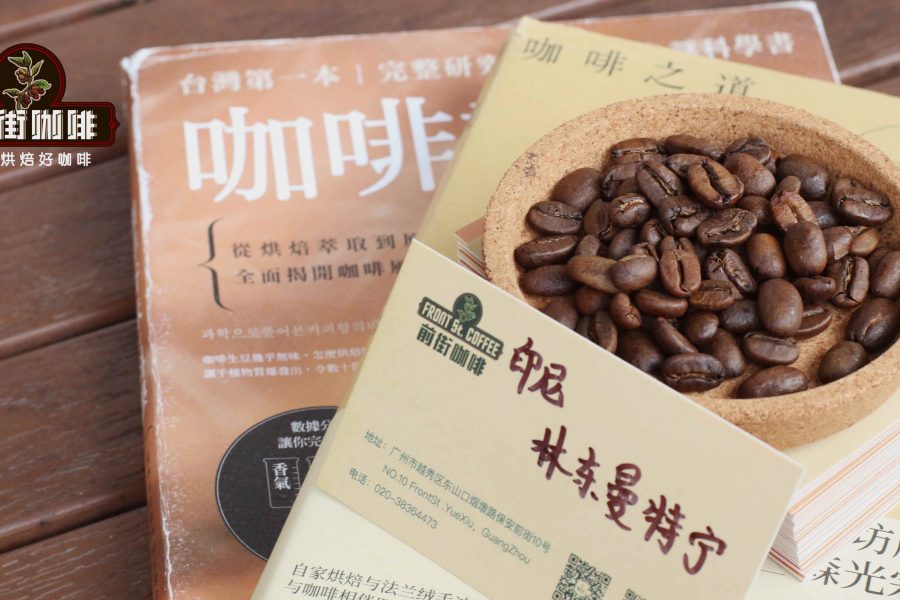
Indonesia · Sumatra ( ) The Wet Hulling process is unique: parchment coffee at 20%–35% moisture is dried a second time to 18%, and the moisture is controlled at 11% when the parchment is finally removed. This process produces low acidity, a thick body and herbal-spice flavors, commonly with spice, pine and chocolate notes. The Ateng variety at 1,100–1,600 meters, after wet hulling, often shows a distinctive musty aroma, though quality can vary considerably between lots.
 Golden Mandheling is a classic product of this process, its herbal and caramel flavors forming a distinct regional character.
Panama · Geisha ( ) Its rise confirms the decisive influence of microclimate on flavor. Altitudes above 1,700 meters combined with shade cultivation allow the Geisha variety to develop a refined flavor combination of citrus, jasmine and berries. Natural processing further enhances the floral expression, and its balance of tea-like character and fruit acidity has become a benchmark for specialty coffee. Hacienda La Esmeralda's Red Label Geisha is especially known for its consistent high quality.
 This variety is demanding about its growing environment, requiring fertile soil and precise water and nutrient management to reach its full potential.
China · Yunnan Lincang ( ) A mix of Typica and Catimor shows the distinctive adaptability of this emerging region. Natural processing at 1,300 meters preserves a harmonious flavor of berries, brown sugar and tea-like notes, with both the lively acidity of tropical fruit and a tea-like, full-bodied finish. The region's large day-night temperature difference and ample sunshine provide ideal conditions for sugar accumulation in the beans.
 It is worth noting that Yunnan's coffee industry has gone through variety improvement; the now-dominant Catimor sacrifices some traditional flavor but gains stronger disease resistance and yield stability.