Light Roast Espresso Guide: Hualui, Gudingding and Dorothy Parameters and Flavor Tests
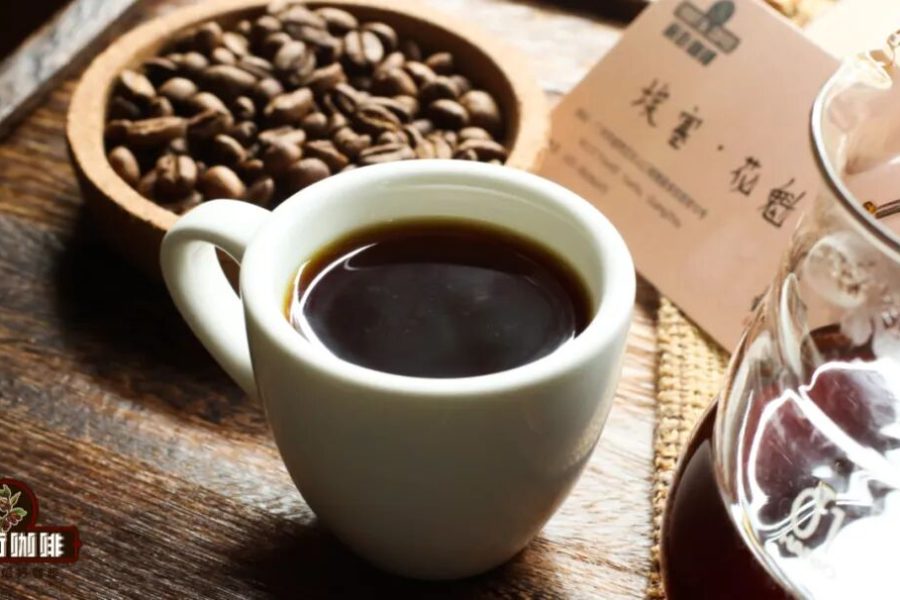
Introduction: Can light roast coffee beans be used for espresso? This article tests three Ethiopian light roast beans (Agtron color value 85-95) with different processing methods, and analyzes in detail the techniques for adjusting extraction parameters and the differences in flavor performance. From americano to latte, it guides you through the key points of light roast espresso extraction and helps you avoid common pitfalls.
In traditional understanding, espresso generally uses dark roasts (such as the "espresso roast" at Agtron 25), and these beans often have a bright layer of crema on the surface. But today the roast level of mainstream espresso blends has shifted to medium-dark (city roast at around Agtron 55). So can light roast beans (Agtron 85-95, corresponding to "light roast" and "cinnamon roast") be used to make espresso? This article will reveal the answer through tests of three Ethiopian light roast beans with high acidity and bright flavor.

Three typical light roast beans were selected for this test: naturally processed Hualui (Ethiopia), washed Gudingding (Ethiopia), and enzyme-washed Dorothy (Ethiopia). The reason for choosing Ethiopian beans is their distinctive fruity acidity in pour-over brewing—through espresso extraction, the flavor commonalities and differences of light roast beans under different processing methods can be compared more clearly.
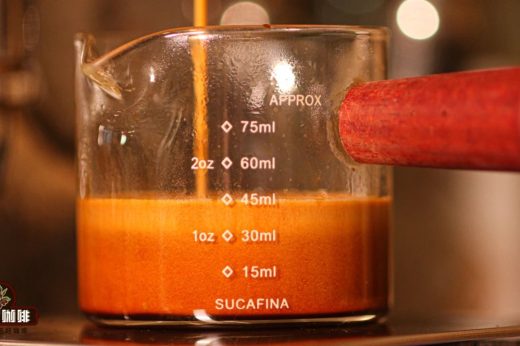
Special attention is needed for the first attempt: light roast beans have low density and a loose structure; if the coarse grind setting for dark roast beans is used directly, the water flow will be too fast and extraction will be insufficient. In the test, if the grind is not adjusted, the flow rate will spiral out of control (for example, at the 7th second the coffee liquid sprays out rapidly).

Taking Hualui as an example, after three rounds of parameter optimization the following plan was determined: 20g dose, 8-second pre-infusion (to let the coffee grounds fully absorb water and expand), extraction of 35g coffee liquid at 6bar pressure throughout, with a total time of 30 seconds. Under these parameters, the espresso presents a bright berry sweetness and jammy texture, with a slight pungency on entry but overall balance. When making a hot americano, the berry aroma is further amplified, the mouthfeel is as refreshing as raspberry juice, and the aftertaste lingers with passion fruit honey aroma; after adding milk, however, the coffee flavor is easily masked by the milk aroma, leaving only a flat sweetness similar to baby formula.

The adjusted parameters for the washed Gudingding were: 20g dose, 6-second pre-infusion, 5bar pressure to extract 32g coffee liquid, completed in 26 seconds. Its espresso crema dissipates quickly (it had already thinned before hot water was added), and its hot americano performance is outstanding—rich citrus notes, a round and full mouthfeel, and a short but clean white floral aftertaste; but when making a latte, the coffee and milk integrate poorly, the flavor is thin and even gives a sense of rejection.

Because the enzyme-washed Dorothy presents a "white peach oolong" flavor in pour-over, the parameters were specifically set as: 20g dose, 10-second pre-infusion, 6bar pressure to extract 35g coffee liquid, completed in 29-30 seconds. Its espresso gives off an intense peach aroma, and the hot americano made by pouring the espresso directly into hot water became the best of the three—rich peach flavor, accompanied by a creamy texture and an oolong tea aftertaste, comparable to a high-quality pour-over experience; the latte, meanwhile, unexpectedly presented a unique light cheese-like mouthfeel.

Summary of the test conclusions: making espresso with light roast beans is entirely feasible, and americano can better retain their original floral and fruity character, but when pairing with milk, note that—the light flavors of light roast beans are easily suppressed by the milk aroma, so it is recommended to try pure coffee first or adjust the coffee-to-milk ratio (such as increasing the proportion of coffee liquid). The key to success lies in precisely controlling the grind (recommended 1-2 settings finer than dark roast beans), the pre-infusion time (extended to 6-10 seconds), and the extraction pressure (maintaining a stable pressure of 5-6bar).