Guatemala Huehuetenango Geisha: El Zapote's COE-Winning Secrets
Introduction: Guatemala's Huehuetenango region is known for its high altitudes and distinctive microclimate, and the Geisha coffee it produces has won multiple international awards. This article takes you inside El Zapote farm's geographical advantages, variety evolution and cultivation management, revealing how this COE-honored Geisha coffee, grown at 1500-1900 meters, develops layered floral and fruity aromas and a full-bodied taste.
On the coffee map of Central America, Guatemala covers only about 109,000 square kilometers, yet its varied altitudes and climate zones give rise to exceptional specialty coffee. This country, less than half the size of the UK, is renowned among coffee lovers worldwide for the breadth of its coffee-growing regions and the uniqueness of its flavors.
Located in northwestern Guatemala, the Huehuetenango region is one of the country's three non-volcanic areas and the highest coffee-growing belt in the nation. The terrain here is steep, and dry warm winds from the Tehuantepec Plain in Mexico effectively ward off frost, providing ideal conditions for coffee trees to grow at altitudes above 2000 meters. Most coffee farmers in the region process their coffee cherries themselves using traditional methods, preserving a distinctive regional flavor.
El Zapote y Anexos farm is located in the Agua Dulce area of Cuilco municipality in the Huehuetenango region, close to the Mexican border. In this mountainous terrain at 1500 to 1900 meters, the average annual temperature stays at a comfortable 18 to 22 degrees Celsius, and with 1500 to 2000 millimeters of abundant rainfall each year, it forms a natural microclimate system for producing top-tier coffee. The rolling hills around the farm further create local environmental variations, providing precise growing conditions for different coffee varieties.
This historic estate was first purchased by the Pérez family in 1950, initially growing mainly the traditional Typica variety. By the 1960s, the farm began gradually introducing quality varieties such as Red Bourbon and Red Caturra, steadily building a diversified planting system. Today the farm grows over 40% Red Catuai and 25% Red Caturra, and retains classic varieties such as Red Bourbon and Yellow Catuai, as well as the Geisha variety that has drawn much attention in recent years.
Of particular note is the Geisha coffee the farm entered in the 2018 Cup of Excellence (COE) competition. Grown at an altitude of around 1800 meters, this Geisha stood out among numerous entries with its full floral base, vivid dark berry flavors and distinctly layered complexity, ultimately taking the runner-up honor. Once brewed, its flavor is clean and pure, with bright but not sharp acidity and a lingering finish of citrus and tea-like sweetness.
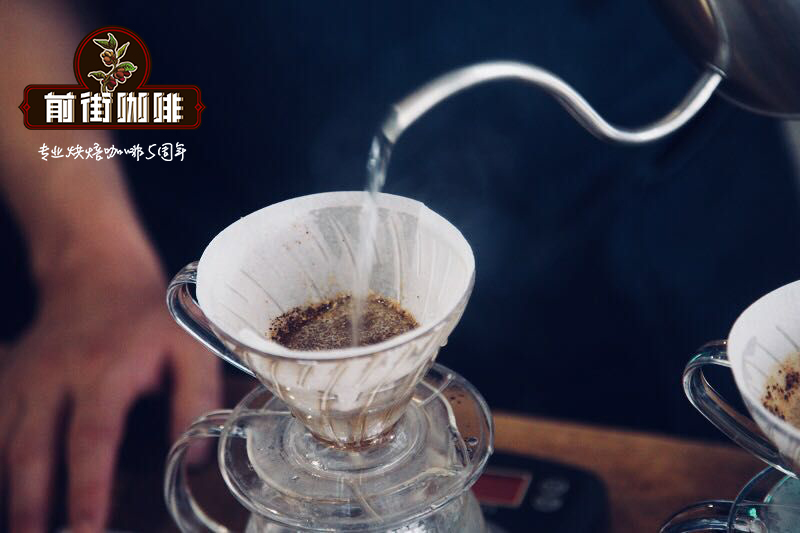
For coffee lovers, understanding El Zapote farm's growing environment and variety composition helps in making a more precise choice when buying Guatemalan Geisha coffee. For pour-over, a water temperature of 90-93°C and a 1:15-1:16 coffee-to-water ratio are recommended; a medium-fine grind (similar to fine granulated sugar) combined with a staged pouring technique will better bring out this coffee's rich floral and fruity character and delicate layers of flavor.