Menglian Border Region Catimor Deep Review: Anaerobic Hario V60 Parameters and Flavor Guide
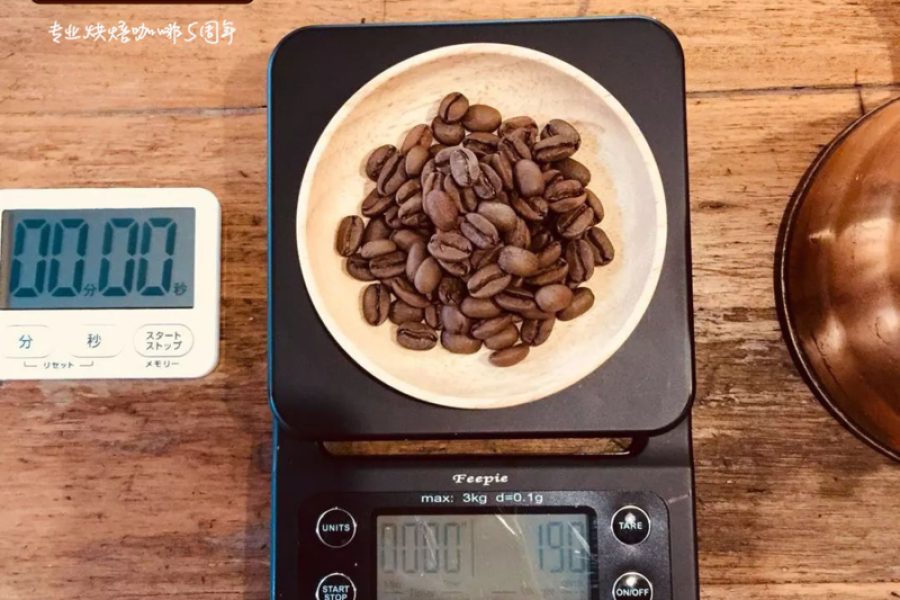
Introduction: Discover the emerging coffee-growing region of Menglian in Yunnan on the China-Myanmar border, and learn how the high-altitude environment shapes the unique terroir of the Catimor variety. This article explains in detail the anaerobic fermentation processing method adapted from winemaking techniques, reveals how 72-hour carbon dioxide maceration enhances sweetness layers, and provides precise V60 pour-over parameters and a flavor evolution map to help you unlock this specialty bean that combines strawberry wine aromatics with a dark chocolate finish.
In the Menglian border area of southwestern Yunnan adjoining Myanmar, a coffee field at an altitude notably higher than the conventional growing areas of central Yunnan is emerging. Here the diurnal temperature difference can exceed 12°C, and the volcanic rock soil is rich in mineral elements such as potassium and magnesium, providing unique growing conditions for the Catimor variety—compared with traditional growing areas below 1,200 meters, the fruit produced in this region accumulates more sugar, and the mucilage layer is about 15% thicker, laying the foundation for subsequent special processing techniques.
The anaerobic fermentation processing method (also known as carbon dioxide maceration) used for this batch of beans traces its technical origins to a coffee laboratory in Costa Rica. The core principle is to inject food-grade carbon dioxide into a sealed stainless steel fermentation tank to completely displace the oxygen environment, keeping the oxygen content inside the tank below 0.5%. The operator must precisely monitor three key indicators: temperature maintained in the 20-22°C range, pH slowly declining from an initial 4.8 to 4.2, and a total duration of 72 hours. Compared with conventional honey processing, this technique reduces the pectin decomposition rate by 30%, making the sugar conversion pathways more complex.
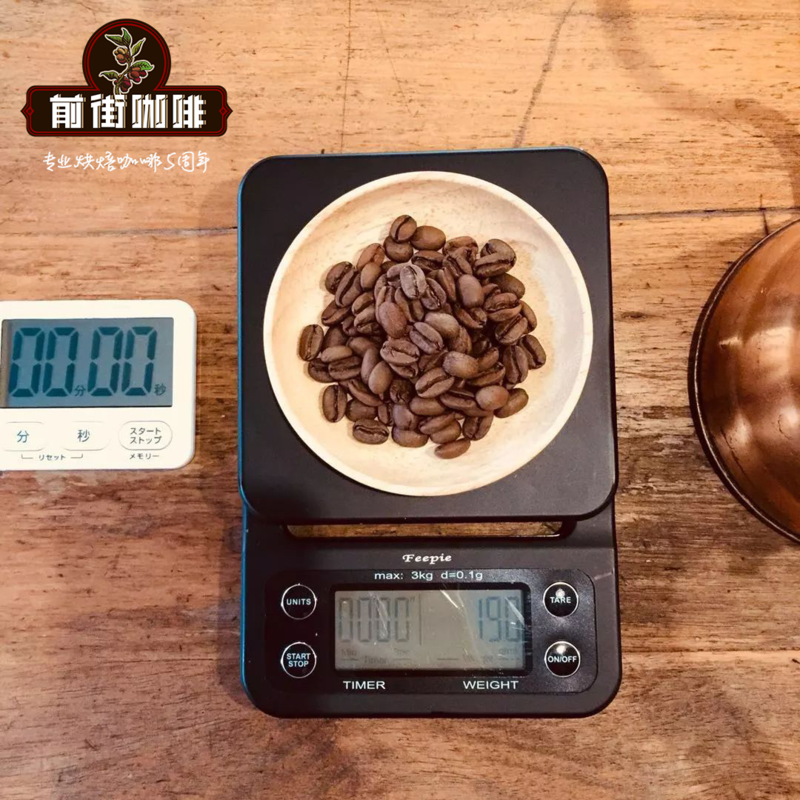
The specific processing flow is divided into two key stages: in the first stage, fully ripe red cherries are selectively hand-picked, immature beans are removed by flotation, then the pulp is removed with a depulper while the intact mucilage layer is retained, and the beans are placed into one-way valve fermentation bags for oxygen-free processing; in the second stage, the fermented parchment coffee is evenly spread on bamboo drying racks and turned 3-4 times daily to ensure uniform heating, until the moisture content stabilizes at 11.5±0.3%. This composite process creates a distinctive complex berry jam aroma and subtly oxidized wine character; compared with the bright acidity of traditional washed processing, its body density is increased by about 25%, and the finish is extended to 1.8 times that of conventional coffee.
For pour-over practice, it is recommended to use a V60 #02 conical dripper with a golden ratio of 1:15 (that is, 30 grams of coffee to 450 milliliters of water). The pouring scheme uses three-stage rhythm control:
• First stage: pour 30 grams of 91°C hot water and bloom for 30 seconds to activate carbon dioxide release
• Then pour in a small circular stream with a diameter less than one-third of the dripper radius up to 120 grams; at this point the coffee bed should show an even depression
• When the liquid level drops to 2 millimeters above the coffee bed surface, continue pouring to 210 grams; after the second collapse, switch to a medium stream and pour 260 grams in the center
Maintain stream stability throughout, and strictly control the total extraction time within 2 minutes 20 seconds ±5 seconds to maximize the balance of flavor layers.
The flavor wheel shows distinct stage-by-stage changes:
• Dry aroma stage: crisp brandy aroma mixed with lychee honey notes
• Wet aroma stage: fresh orange peel interwoven with Ceylon cinnamon spice
• First note on the palate: vivid citrus acidity like blood orange juice, accompanied by a mellow dark chocolate base
• When the temperature drops to around 60°C, licorice root sweetness and vanillin aroma gradually emerge
• The finish retains a lasting rum truffle aftertaste, with a slight citrus fruit sweetness


