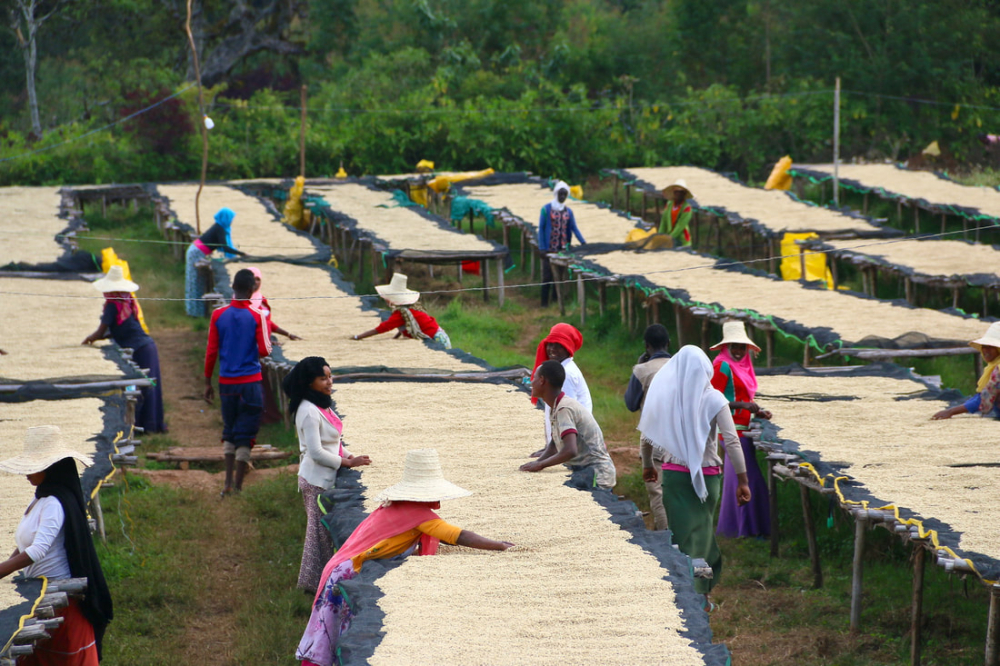
Yirgacheffe Kochere: Region Guide and Pour-Over Recipe
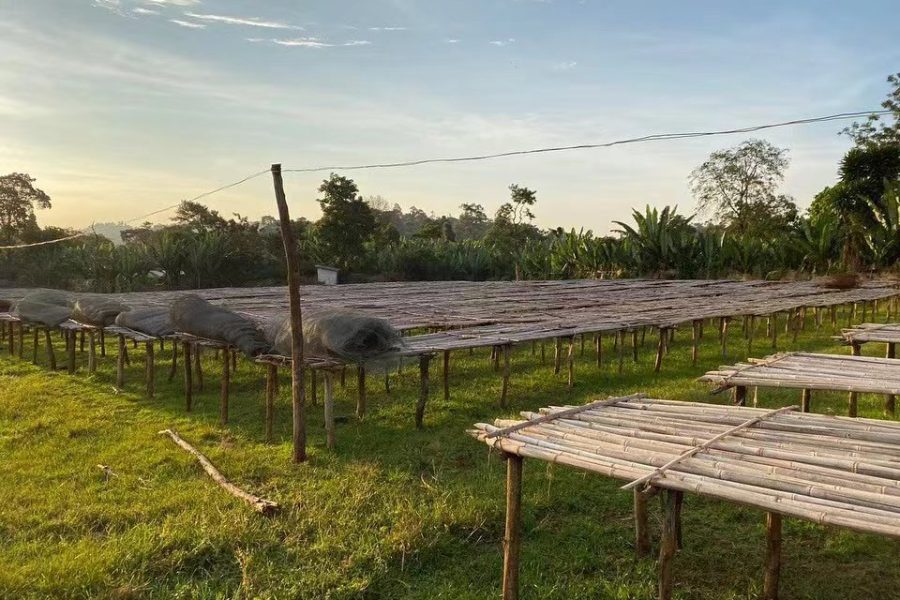
Introduction: A deep dive into Kochere, a core micro-region of Ethiopia's Yirgacheffe, explaining its unique terroir and high-altitude growing advantages. This article details the flavor characteristics, regional background and processing methods of Kochere washed beans, and provides a professional pour-over recipe to help you precisely present a bright coffee experience combining citrus, floral notes and tea-like body.

Among Ethiopia's vast coffee regions, Yirgacheffe has long been known for its distinct citrus notes and floral aromas, and Kochere, an independent micro-region within this larger area, stands out as one of the finest. In the classification system of the Ethiopia Commodity Exchange (ECX), Kochere is listed as a separate region, which shows its quality and status. Compared with ordinary Yirgacheffe lots, the green beans here often show more complex and layered flavors, especially lively citrus acidity, silky smooth sweetness and full fruit tones.
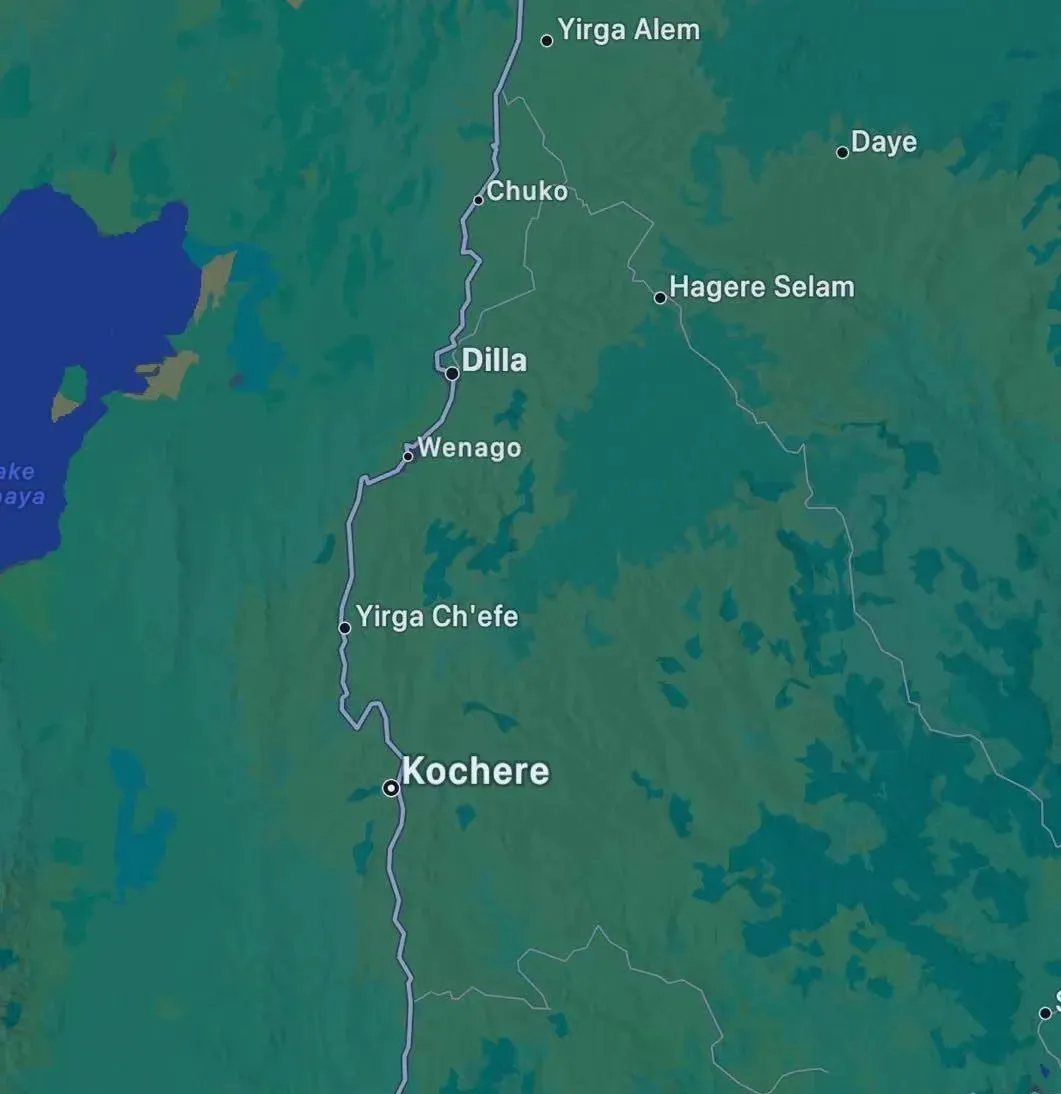
The Kochere region lies about 25 kilometers southeast of Yirgacheffe, with an overall altitude between 1,650 and 1,800 meters, a typical high-altitude coffee-growing belt. Although Yirgacheffe itself is only a small town of about 20,000 people, surrounding small areas such as Kochere, Wenago and Gelena Abaya are all included in the greater Yirgacheffe area because they produce high-quality coffee with similar flavors. Among them, Kochere is not only one of Yirgacheffe's three well-known micro-regions but also a prosperous place with coffee as its main economic pillar; about 100,000 residents live there, and coffee cultivation and export are the main sources of income, which has also driven continuous upgrades to the region's coffee processing facilities and helped maintain a consistently high processing standard.

According to data from an international coffee evaluation platform, washed coffee beans from Kochere have received scores as high as 94, a result that proves their quality recognition in the international market. Administratively, Kochere is one of the 77 Woredas (administrative districts) under Ethiopia's Southern Nations, Nationalities, and Peoples' Region (SNNPR) and geographically belongs to the Gediyo part of the greater Yirgacheffe area. Kochere can be further divided into several micro growing areas, and many coffee lots are also named after specific villages (such as Chelelektu), processing stations (such as the Alim processing station) or micro-plots (such as Banko Gutiti). This refined traceability not only improves product transparency but also brings greater flavor consistency and year-to-year stability, and correspondingly, its market price is also more substantial.
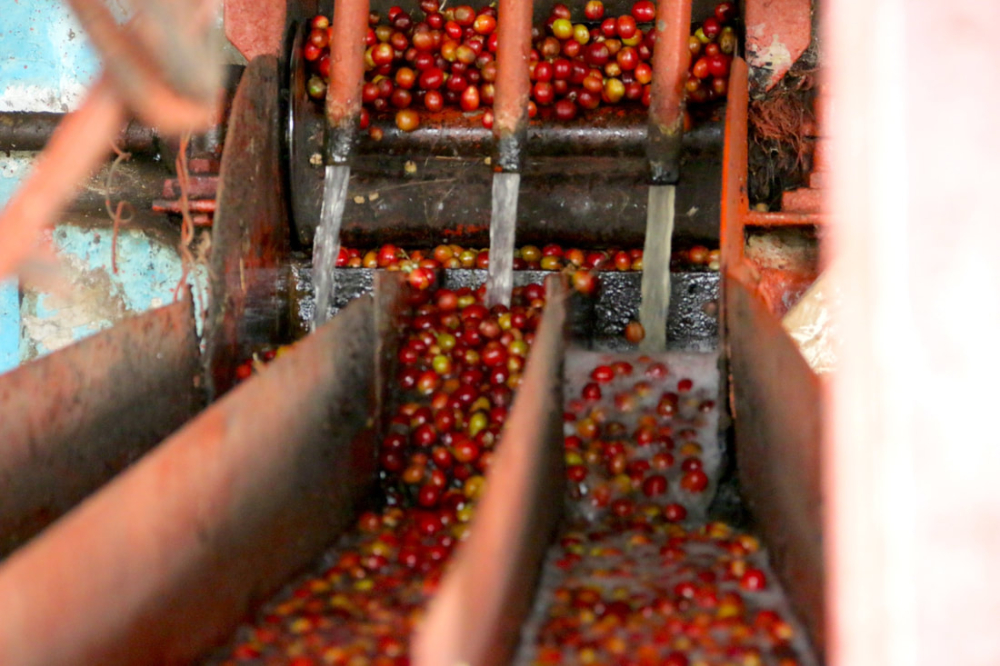
Coffee production in Kochere is mainly based on smallholder farming; these farmers usually deliver harvested coffee cherries to local cooperatives for centralized processing. Chalalacktu village is a typical example: more than 100,000 people there depend on coffee cultivation for their livelihood, and the coffee industry not only brings stable income but also drives local infrastructure development, including healthcare and education, whose public service levels are clearly better than in many other rural areas of Ethiopia. At the same time, thanks to advanced processing equipment and technology, Kochere has an excellent reputation for washed coffee processing, and its output often shows a clean flavor interwoven with molasses sweetness and citrus acidity.
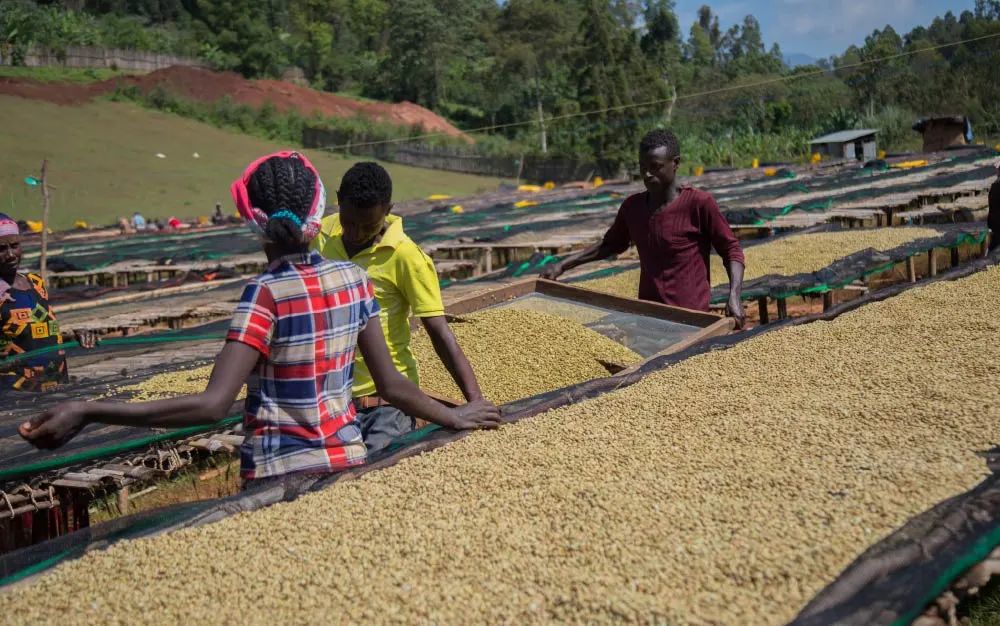
As for processing methods, Kochere mainly uses the washed process. Washing is a long-established refined process whose core steps include flotation to remove defects, removal of pulp, pectin fermentation, washing again, and drying and hulling. First, coffee cherries go through flotation to remove unripe or defective fruit, then a machine removes the outer skin and pulp, and next they enter fermentation tanks to remove the mucilage layer (that is, pectin); this process requires strict control of water temperature and time, after which they are washed several times, then dried until the moisture content drops to about 12%, and finally the parchment is removed to obtain the familiar green beans. The advantage of the washed method is that it can significantly reduce the proportion of defective beans, improve the overall quality stability of green beans, speed up the drying process and raise production efficiency, and give coffee a "washed character"—a clean, bright acidity and clear flavor layers.
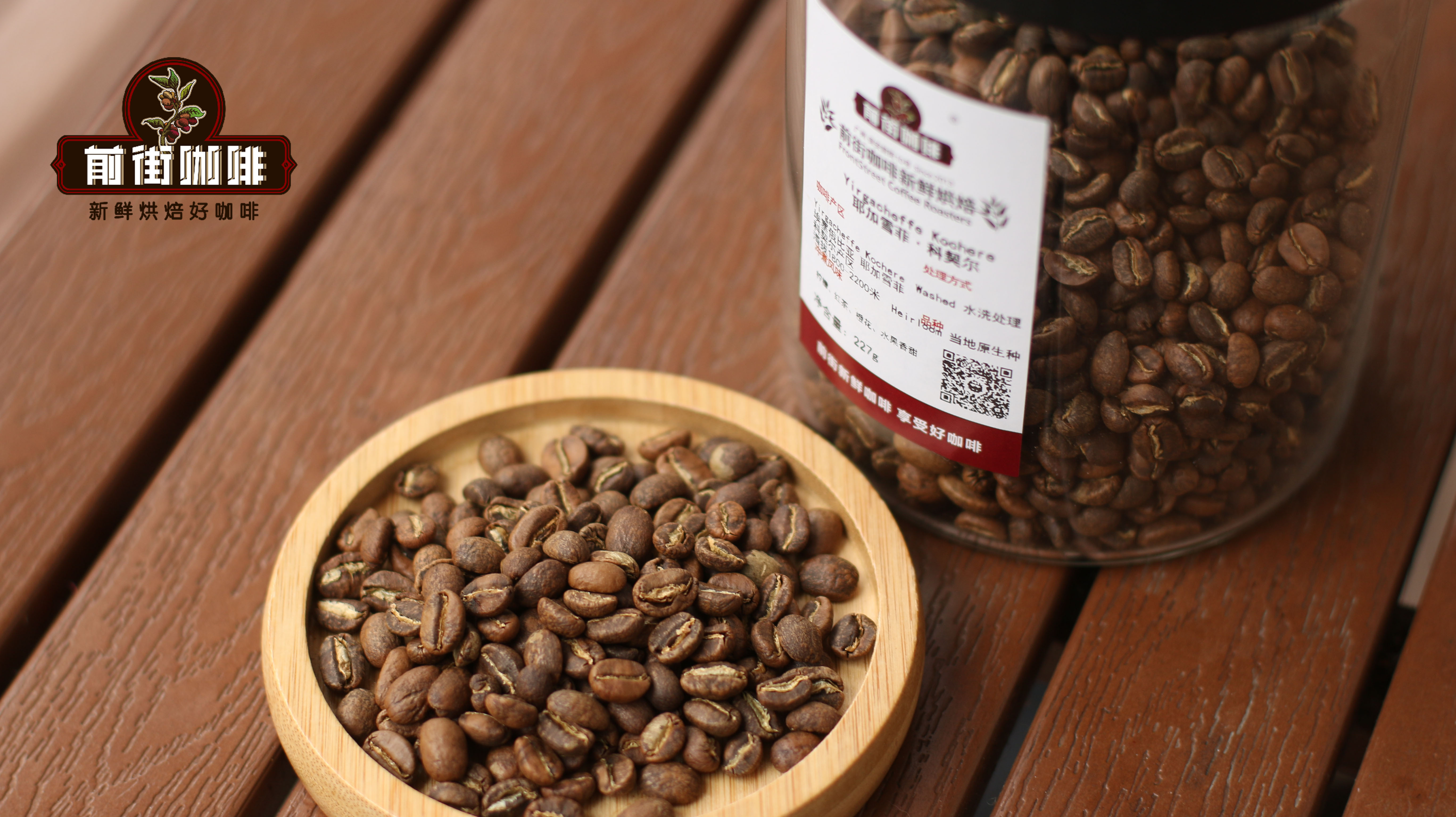
The G1-grade washed coffee beans produced in Kochere represent the highest quality standard of the region. This type of coffee usually has very fresh lemon-like acidity, soft jasmine floral notes, and accompanying melon fruit and spice notes such as ginger; some lots can even show a delicate tea-like body and a sweet, moist finish. When brewing, reasonable pour-over parameters can fully highlight its multi-layered citrus and floral-fruity notes as well as its soft, easy-drinking sweetness.
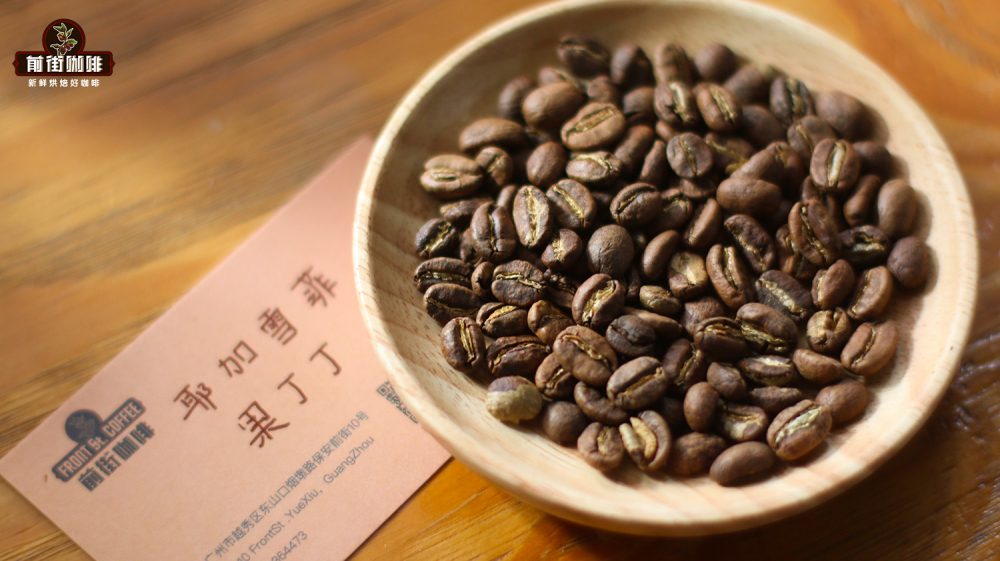
For coffee lovers who like to try flavors from different regions, Kochere is a micro-region not to be missed. Its washed coffee beans are suitable for a medium-light roast that emphasizes bright acidity and clear layers. For home brewing, a V60 dripper is recommended, with 90°C water, a 1:15 coffee-to-water ratio, and a medium-fine grind (about 80% passing through the Chinese standard No. 20 sieve). Specifically, it is recommended to first pour 30 grams of hot water for a 30-second bloom, then pour slowly in circles from the center to 125 grams of water, and after the water level drops, continue pouring to 225 grams, with a total extraction time of about 2 minutes. This parameter combination helps balance sweetness and acidity and highlights the fresh tea-like character and lively fruit acidity unique to Kochere coffee.