Ethiopia Yirgacheffe Kochere Washed Coffee Review: Flavor and Pour-Over Tips
Introduction: Ethiopia's Yirgacheffe Kochere region is known for producing washed coffee beans with rich layers of flavor. This article takes an in-depth look at the geographical conditions, cultivation and processing characteristics of Kochere, a core micro-region within this area. It details the flavor profile of its signature washed Yirgacheffe coffee, such as bright citrus acidity, silky sweetness and diverse fruit notes, and offers practical brewing references to help you taste and brew this classic coffee more precisely.

Within Ethiopia's well-known Yirgacheffe region, Kochere is widely recognized as one of its finest sub-regions. In the official region classifications of the Ethiopia Commodity Exchange (ECX), Kochere is even listed separately, which shows its unique standing. Coffees from this area often display a distinctive character: clearly layered aromas, lively and vibrant acidity, abundant citrus notes and silky sweetness, along with distinct tropical fruit aromas.
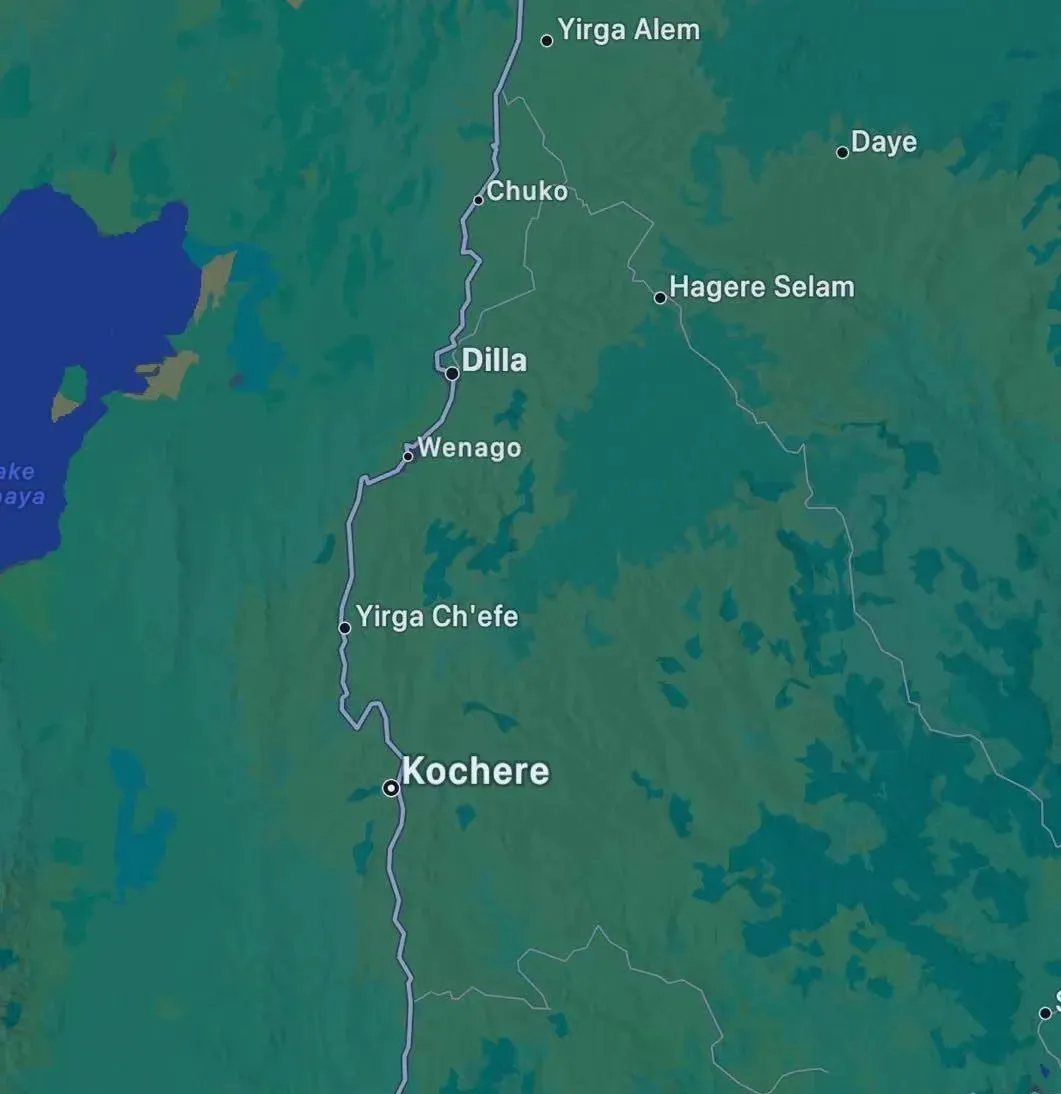
Kochere is located about 25 kilometers southeast of Yirgacheffe, with elevations generally between 1,650 and 1,800 meters, making it one of the three well-known micro-regions around Yirgacheffe. Although Yirgacheffe itself is only a small town of about 20,000 people, surrounding small areas such as Wenago, Kochere and Gelena Abaya have similar climate, soil and growing conditions, and the coffees they produce are extremely similar in flavor, so they are all classified under the greater Yirgacheffe area.

Kochere is not only an important part of Yirgacheffe, but also one of the 77 administrative districts (Woreda) under Ethiopia's Southern Nations, Nationalities, and Peoples' Region (SNNPR). In the coffee profession, Kochere is in fact part of Gediyo within Yirgacheffe, and is also one of Yirgacheffe's most representative regions. The area can be further divided into many micro-regions, and some coffee lots are named after specific villages (such as Chelelektu), processing plants (such as Alemu Processing Plant) or smaller micro-areas (such as Banko Gutiti). This detailed traceability is increasingly valued by the market and usually means higher quality consistency and price levels.
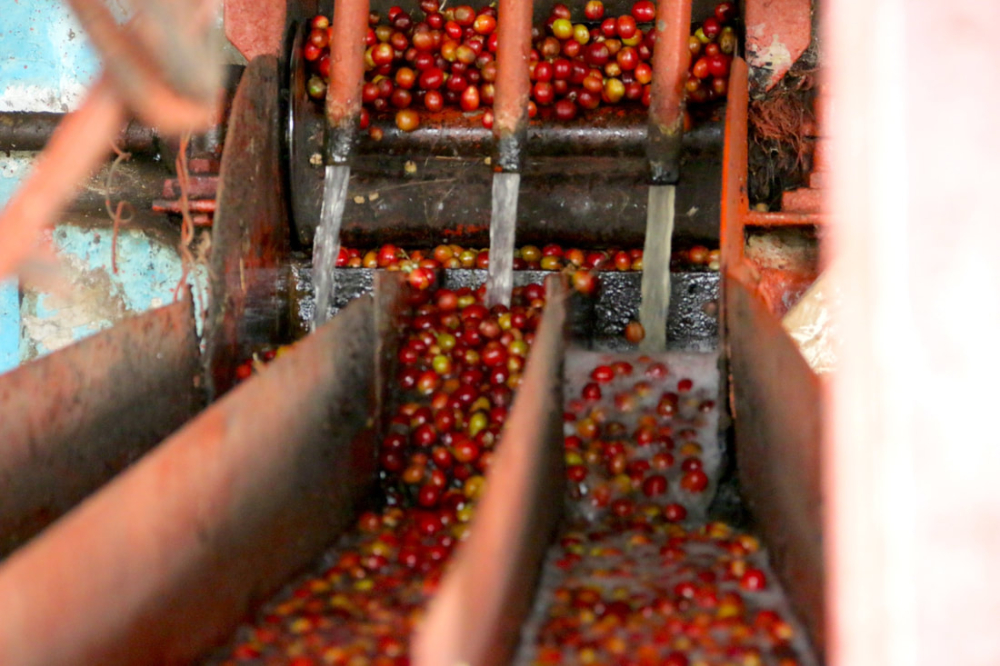
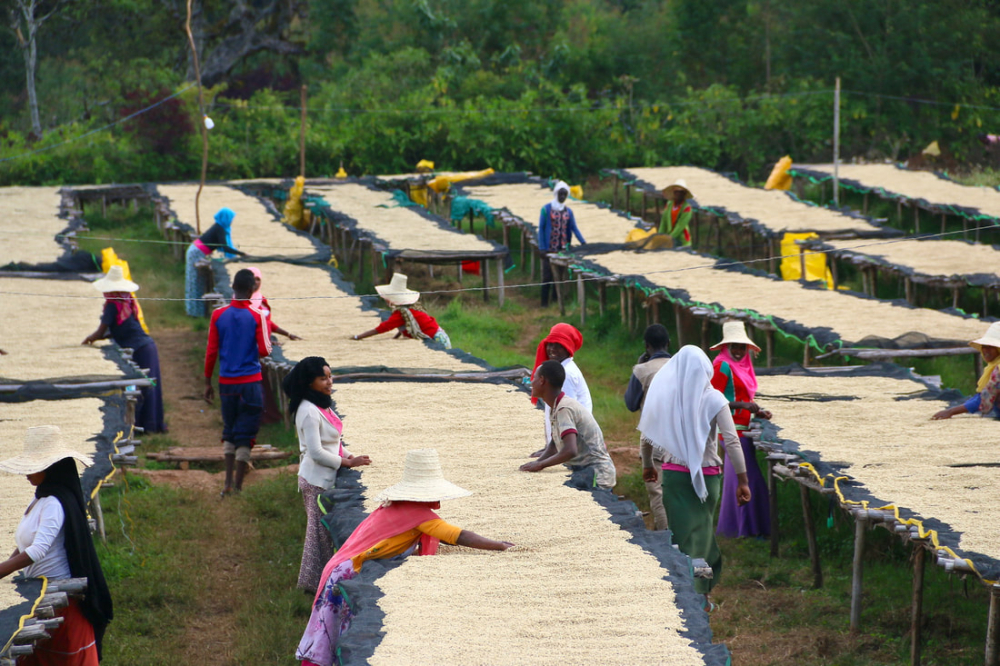
Coffee production in Kochere is dominated by smallholder farmers, who usually send their harvested coffee cherries to local cooperatives for centralized processing. Take Chalalacktu village as an example: about 100,000 residents here depend on coffee for their livelihood, and the coffee industry has become the local economic pillar, also driving an overall rise in living standards. Local infrastructure such as medical care and education is relatively well developed, and advanced washing equipment is also in place, enabling the region's washed coffees to stand out in cleanliness and flavor complexity, often with a delicate sweet aroma interwoven with molasses and citrus.
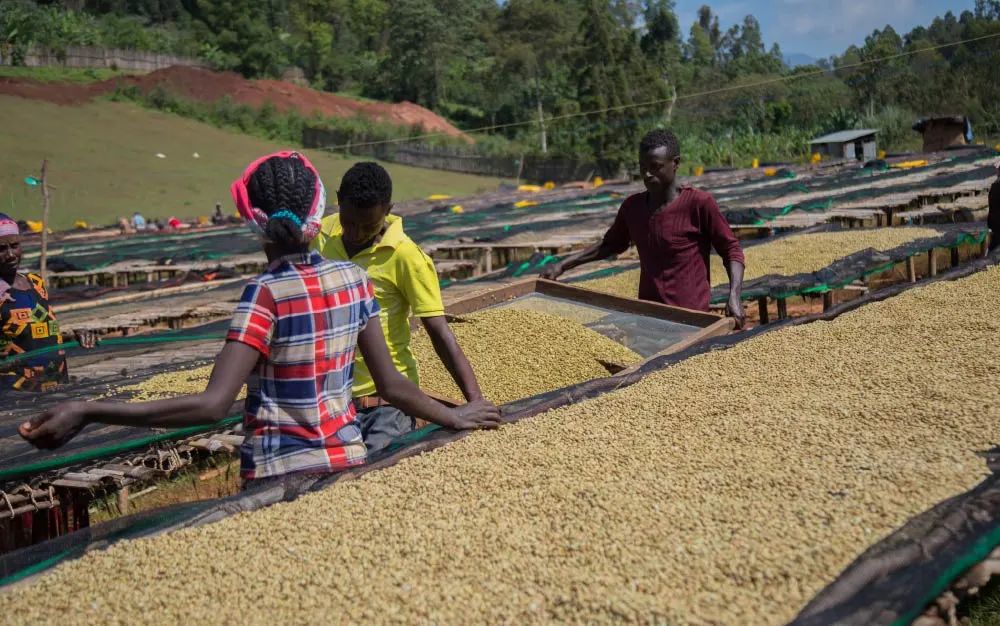
In terms of processing, Kochere washed Yirgacheffe mainly uses the traditional washed process. This method includes several key steps: first, the coffee cherries are floated to remove unripe or defective fruit; then the outer skin and pulp are removed, and the mucilage layer (pectin) is removed through fermentation. After multiple washes, the beans are placed on drying beds or use dryers to bring moisture content to about 12%, and finally the parchment surrounding the beans is removed to obtain green beans. Compared with the natural process, the washed method has higher requirements for equipment and water, but it can effectively reduce defect rates and improve consistency, while giving the coffee a fresher, brighter acidity and a clean mouthfeel.
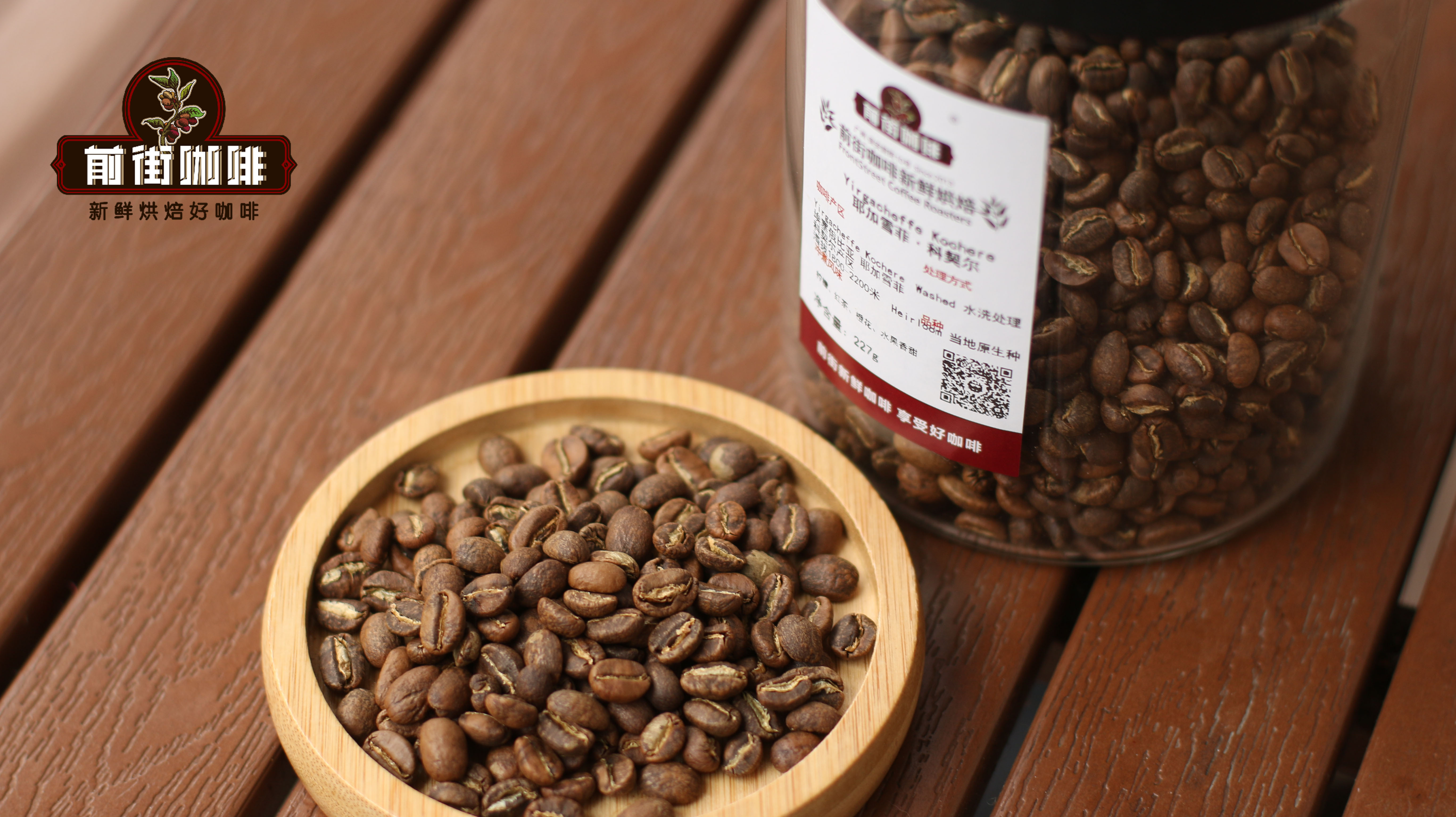
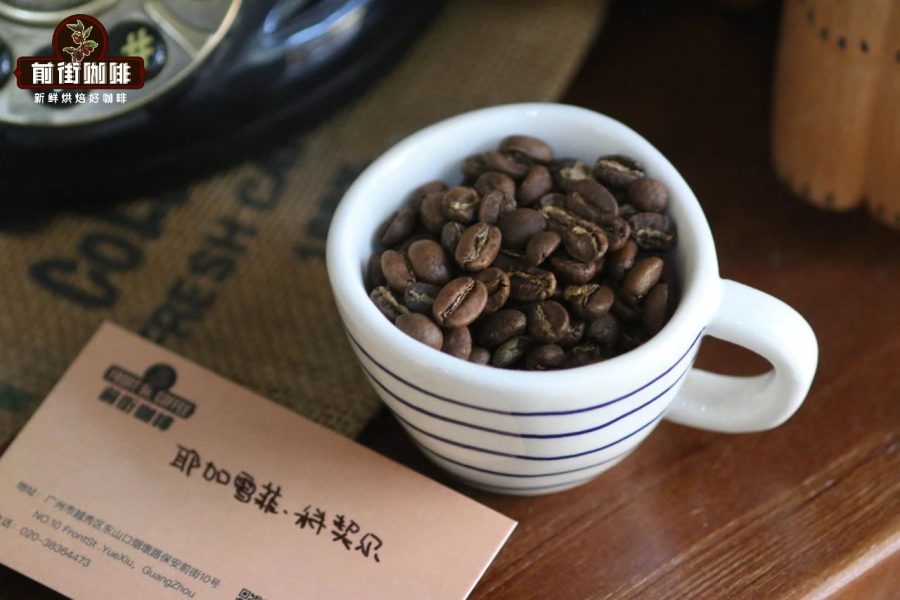
G1-grade washed coffee beans from the Kochere region usually have extremely high flavor recognizability. The dry aroma often has distinct lemon and fresh floral notes, while the wet aroma reveals berries, caramel and multi-layered floral notes in bloom. On the palate, the citrus acidity is bright but not sharp, accompanied by a soft creamy texture and delicate sweetness. As the temperature changes, berry, black tea and even caramel flavors gradually emerge, with a long finish and obvious sweet aftertaste, showing an overall balanced and layered performance.
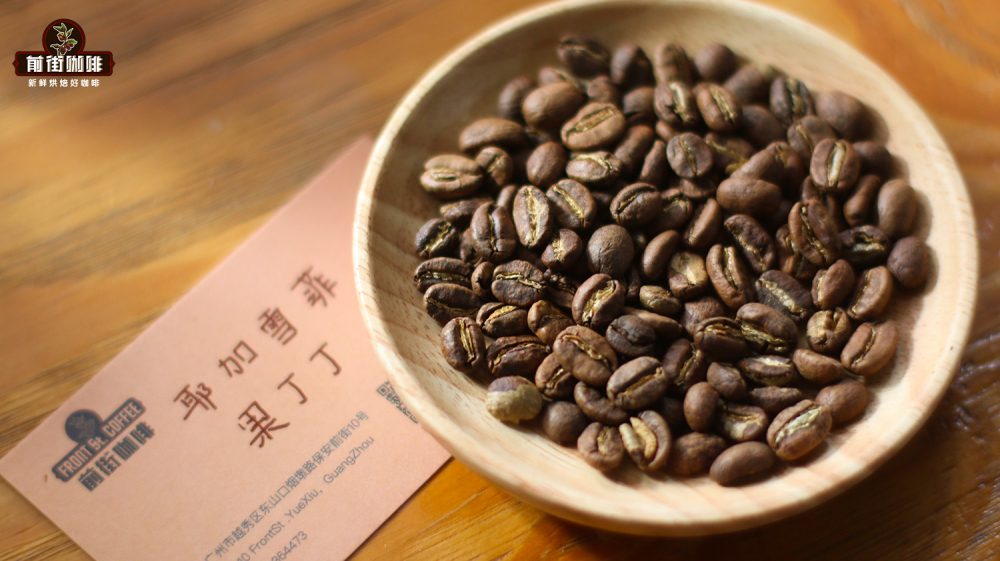
If you explore even smaller micro-regions within Yirgacheffe, such as Gedelte, which was once part of the Worka cooperative and later became an independent single organization, you can also find similar but more distinctive flavor expressions. This cooperative is made up of about 300 smallholder farmers and adheres to the traditional washed process, and is called "the last pure land of Yirgacheffe." Its coffee beans are also G1 grade, grown at elevations as high as 1,900 to 2,300 meters, and the variety is local heirloom. The flavor centers on citrus, green tea, prunes, floral notes and honey, with fresh, bright acidity, a clean mouthfeel, and a finish with tea notes and honey sweetness. It is very suitable for pour-over, drip bags and other brewing methods.
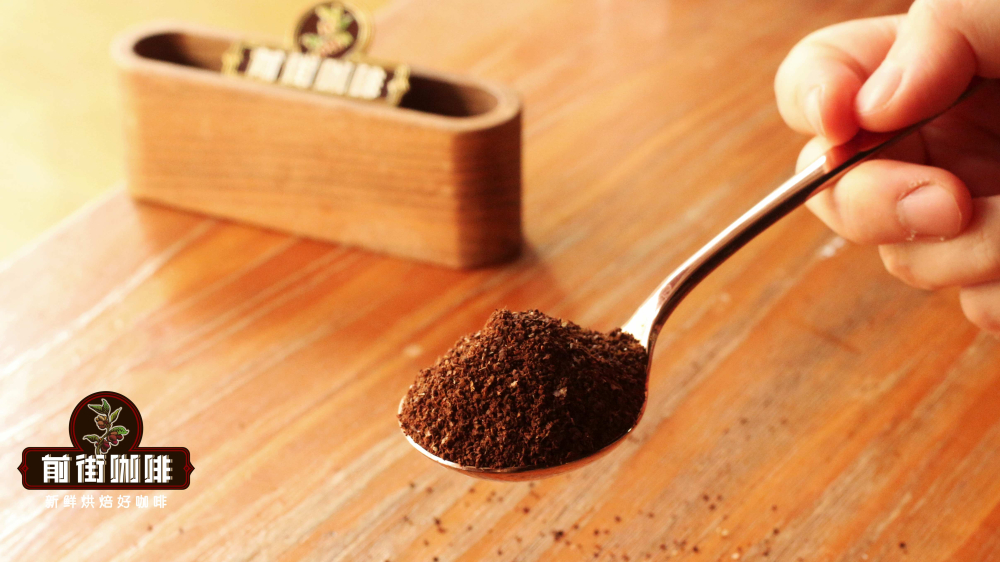
When tasting this type of high-altitude washed Yirgacheffe, a medium grind is recommended (for example, about 70%-75% passing through a Chinese standard No. 20 sieve), with a water temperature of 90-93°C. For pour-over, a coffee-to-water ratio of 1:15 to 1:16 can be used, with staged pouring to fully extract sweet and acidic compounds and avoid over-extraction. Whether you are seeking a clear expression of citrus notes or hoping to experience the fusion of multi-layered fruit aromas and tea notes, washed coffees from Kochere and surrounding micro-regions can deliver an unforgettable taste experience.