Ethiopian Lion King Coffee: Regions, Varieties, Processing and Flavor Guide

Introduction: Explore the unique appeal of Ethiopian Lion King coffee in depth, from its core growing regions to its refined processing methods, with a full analysis of this specialty coffee's flavor code. This article will guide you through the geographical advantages of the Sidamo region, the diversity of its heirloom coffee trees, and how natural and washed processing shape distinctly different flavor layers, and it offers professional brewing parameters to help you unlock the best tasting experience.
As Africa's largest exporter of Arabica coffee, Ethiopia has about 12 million people working in coffee, and its coffee industry shows distinct regional characteristics. The country is divided into nine major regions, among which five specialty regions, including Sidamo and Yirgacheffe, are known for complex flavors, while four commercial regions such as Gimma focus on volume. Notably, the traditional natural process accounts for as much as 80% locally; this method, passed down for centuries, contrasts sharply with the washed technique introduced in 1972, creating Ethiopia's unique flavor spectrum.
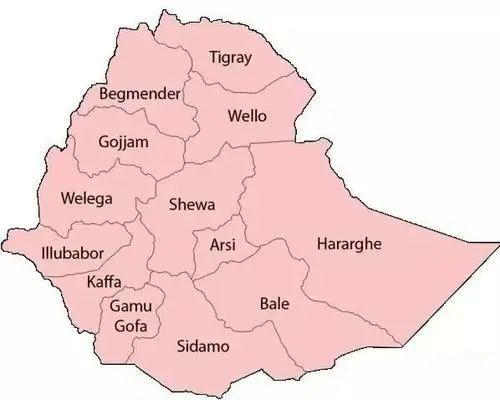
The Sidamo region in southern Ethiopia (1,400–2,200 meters above sea level) is a golden growing belt bordering Kenya. This area not only produces the widely known Yirgacheffe coffee—a sub-region that became independently famous due to special geological conditions—but is also known for diverse flavors. Typical Sidamo coffee shows bright citrus notes, accompanied by jasmine aromatics and lively wine-like acidity, with a clean mouthfeel like freshly squeezed juice. At a medium roast it shows soft fruit acidity, while a dark roast releases rich complex aromas; this layering makes it a benchmark for East African specialty coffee.
A common misunderstanding about coffee varieties needs clarification: what is locally called "heirloom" is in fact a general term for unclassified varieties that emerged after the specialty coffee movement. In fact, Ethiopian coffee farmers use local names to distinguish different tree types, and these varieties, which have not been named according to international standards, may have unique disease resistance or flavor characteristics. Professional exporters prefer to assess quality through regional altitude (such as the golden belt of 1,800–2,100 meters) and cupping scores (usually 80+) rather than a single variety; this practical approach better reflects the coffee's actual performance.
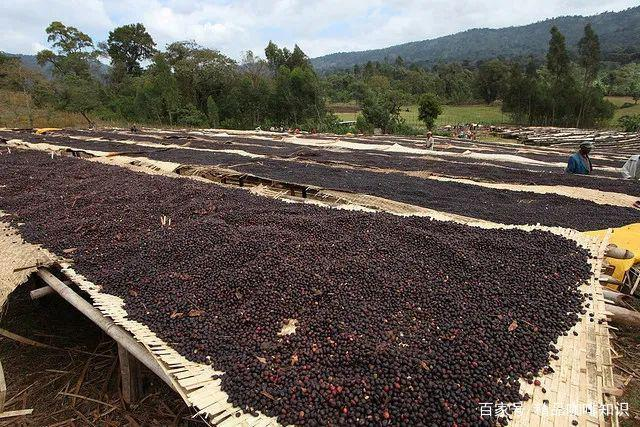
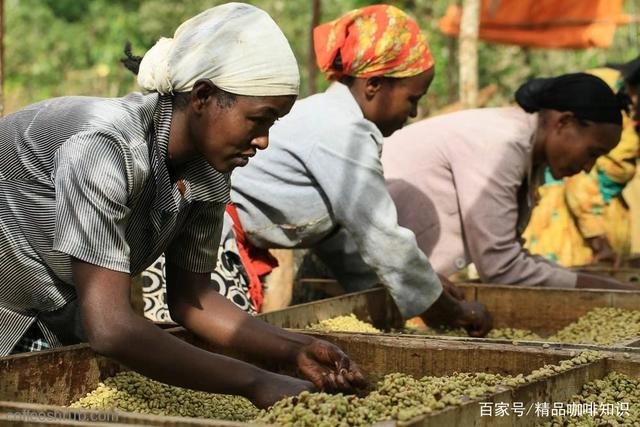
Processing directly affects the final flavor: Sidamo coffee generally uses two main methods. Washed processing requires depulping and fermentation (about 3–5 days), washing in channels, and then drying to 12% moisture content; this method highlights clean, bright citrus acidity. Natural processing dries the whole fruit directly for two weeks, developing richer berry sweetness and wine-like notes during slow dehydration. It is worth noting that although high-quality natural beans retain pectin-layer fermentation, strict control of drying temperature (usually no higher than 30°C) can avoid over-fermentation defects.
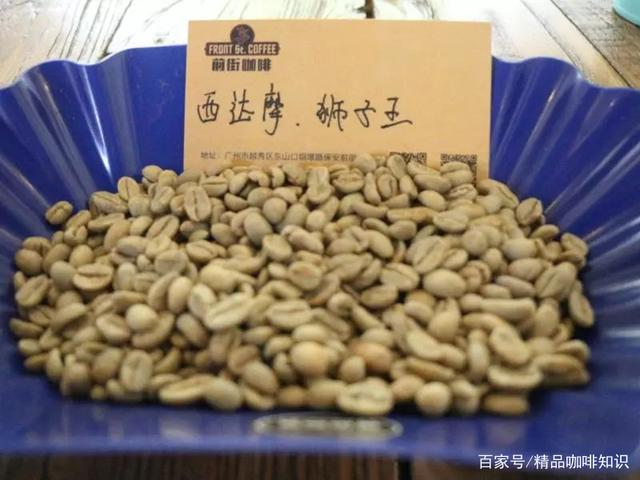
Take a typical natural bean from the Guji region (a core sub-region of Sidamo) as an example: it is grown at 1,800–2,100 meters, uses local heirloom varieties, and meets the G1 grade standard. In professional cupping, such coffee often shows: dry aroma with blueberry and red wine notes, and wet aroma revealing a burst of tropical fruit; on the palate, a balance of grapefruit acidity and honey sweetness, with a lingering black tea-like finish. Properly processed lots can even show a rare balance of blue floral notes and slight dark chocolate bitterness.

Professional brewing advice for this type of high-altitude natural bean: when using a V60 dripper, use 15 g of coffee with 90°C water and a 1:15 coffee-to-water ratio (225 ml total water). Choose a medium-fine grind (similar to BG#6S), which corresponds to about 20–22 clicks on a hand grinder. Pour in three stages: first 30 g of water for a 30-second bloom to activate the aroma, then pour in circles until 125 g, and finally add the remaining water when the coffee bed is about to be exposed. Keep the whole extraction within a 2-minute window to effectively balance sweetness and acidity.

Key points for flavor appreciation: high-quality Lion King coffee should show a clearly layered fruit aroma matrix—an initial distinct citrus freshness (similar to blood orange or bergamot), a mid-palate transition to the sweetness of ripe berries, and a finish with warm notes of black tea and caramel. In mouthfeel, aim for a "silk-like" body, with bright but not sharp acidity and excellent overall balance. For storage, keep it away from light and moisture; after opening, it is recommended to use it within 15 days to maintain the best flavor.


